





Food science, FDA chemistry & the truth
Fresh, frozen, or jarred Hatch chile: which is right for you?
Fresh, frozen, and jarred chile suit different kitchens. Compare preparation, storage, ingredients, and flavor to choose the format that fits your recipe.
Read the science ↓We sell fresh, frozen, and jarred chile at the Hatch Chile Store because each format serves a different purpose, and we believe in radical transparency about the trade-offs.
When you buy authentic Hatch Green Chile, you're making a choice about flavor. Understanding the food science behind how chile is preserved will change the way you cook forever. This guide covers the chemistry, the texture science, the FDA regulations, and the real-world cooking performance of each format, written by the family that's been growing chile in the Hatch Valley for five generations.
Fresh Hatch chile: the DIY gold standard
Total control, total work, total reward.
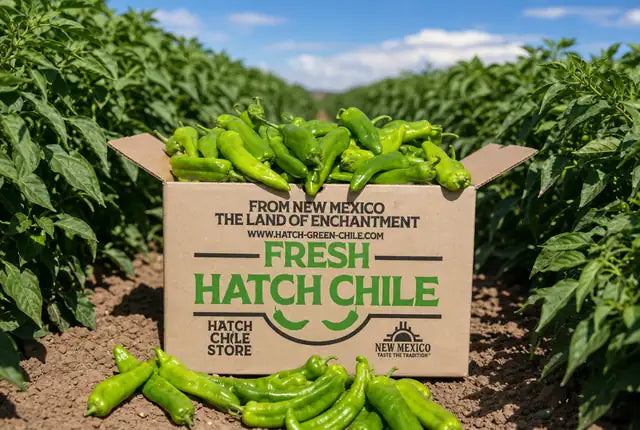
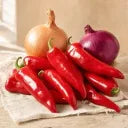
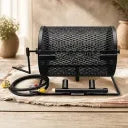
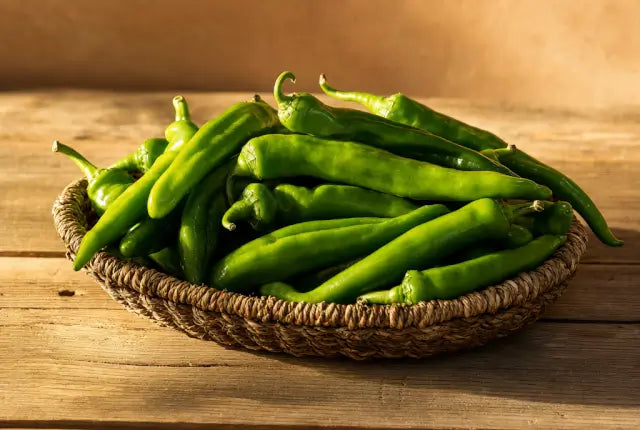
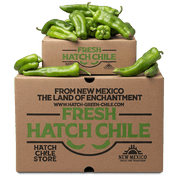
Ordering fresh Hatch chile is for the purist, the person who wants the complete farm-to-flame experience. Fresh chile harvest typically runs from late July into October, with timing dependent on weather and variety. Check the fresh product page for current availability and shipping status. When you order a box, you get total control. You choose the char level. You choose whether to leave the skins thick or peel them paper-thin. You decide how many seeds stay in. No factory made those decisions for you.
The flavor advantage
Fresh chile, roasted within days of harvest, delivers the most complex flavor profile of any format. The Maillard reaction during roasting creates hundreds of volatile aromatic compounds, the smoky, sweet, vegetal notes that make Hatch chile unlike anything else on earth. When you roast chile yourself while it's still fresh from the field, those compounds are at their absolute peak. Nothing has been heated twice, diluted with acid, or run through a commercial production line.
The nutritional peak
Chile contains vitamin C and other nutrients. Amounts vary with variety, ripeness, storage, and preparation. Heat-sensitive vitamins can be reduced by cooking; comparisons should use the same food, preparation, and serving basis. (See USDA nutrient retention factors.)
Roasting, sweating, and peeling a 25 lb box of fresh chile is a labor-intensive weekend project. Most families spend 4–6 hours processing a full box. It also carries the risk of "Hatch hands", a lingering capsaicin burn from handling large amounts of chile oil without gloves.
Fresh chile is heavy and water-dense, so shipping costs are higher. It's also seasonal, once the harvest ends in October, it's gone until next year. Our complete roasting guide walks you through every step.
If your fresh chile arrives in bad shape
Fresh chile is a perishable agricultural product moving across the country in late summer. The vast majority of our boxes arrive in great shape, but if yours arrives warm, slimy, or with rotten pods inside, see our spoiled or thawed perishable page for the photo + reship process. Send photos within 4 hours of delivery.
Flash-frozen roasted chile: ready for your kitchen
Fresh-roasted flavor, none of the labor, and chemistry on its side.
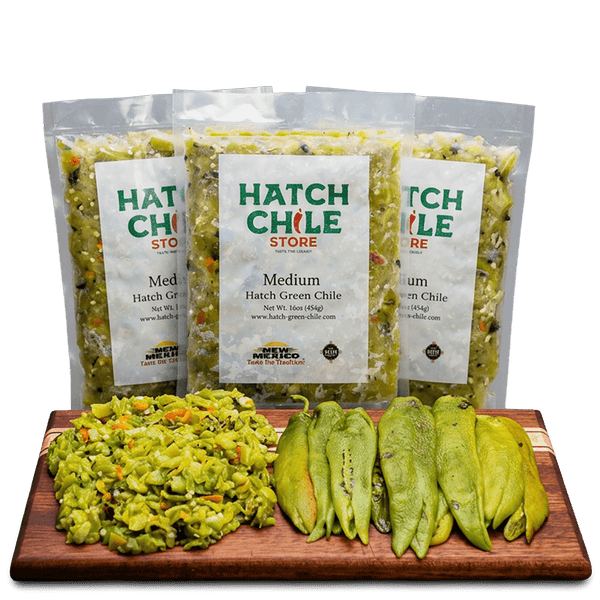
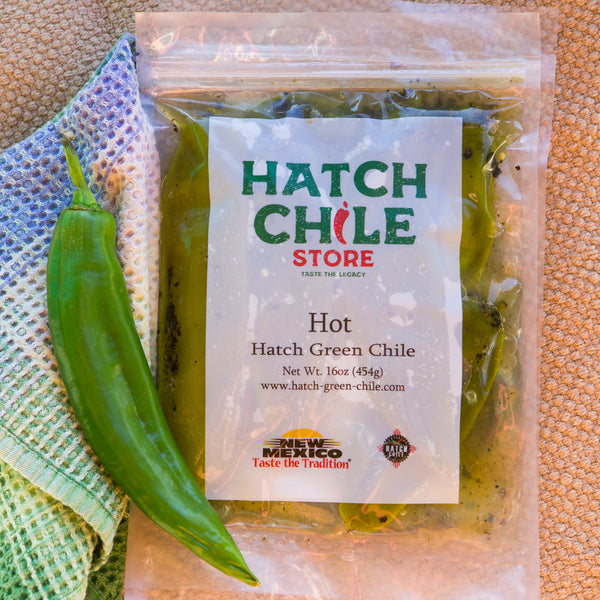
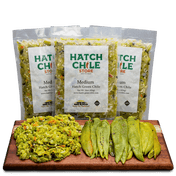
Our frozen roasted Hatch chile saves you the work of roasting and peeling. Compare preparation, ingredients, and storage needs when choosing a format.
🧪 No added acid
Roast → partial peel → vacuum-seal → blast-freeze. Zero preservatives, zero vinegar. Nothing is added to bring the pH down, so what you taste is the chile and the roast, not an acidified brine.
🧱 Texture by format
Our frozen roasted chile is already roasted and partially peeled, ready to use. Fresh lets you control the roast level yourself. Jarred texture depends on the product's ingredients and processing.
🌶️ Choosing your heat
Heat varies with variety and growing conditions, while processing, storage, and the recipe can affect the heat you taste. Choose a stated heat level when buying; fresh, frozen, or jarred format alone does not establish a Scoville rating.
💊 Nutrient retention
Freezing helps preserve food for later use. USDA notes that freezing itself has little effect on nutrient value, but this does not establish a retention percentage for chile after roasting, storage, and reheating. Nutrient content depends on the product and its preparation.
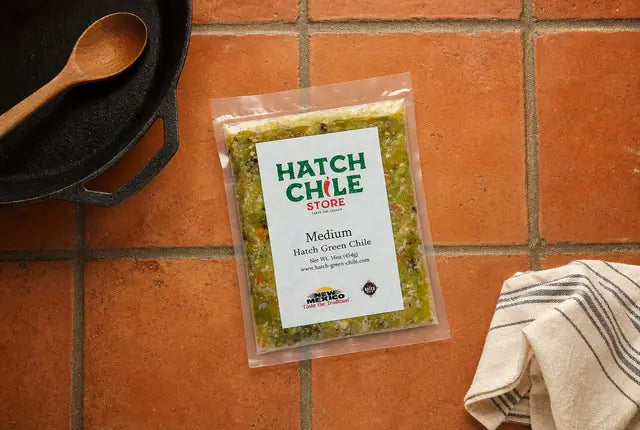
Our frozen chile is flame-roasted, partially peeled, vacuum-sealed, and blast-frozen, so it's ready to use straight from the freezer. When you pull a strip of frozen whole chile out of the bag, it has body, it doesn't fall apart in your hand.
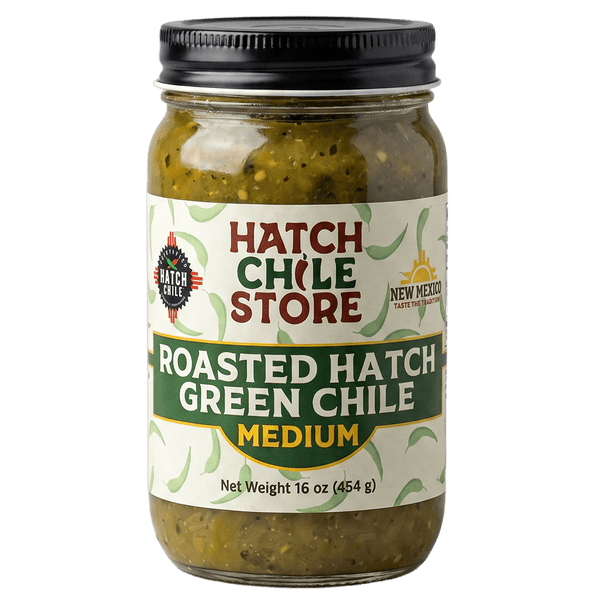
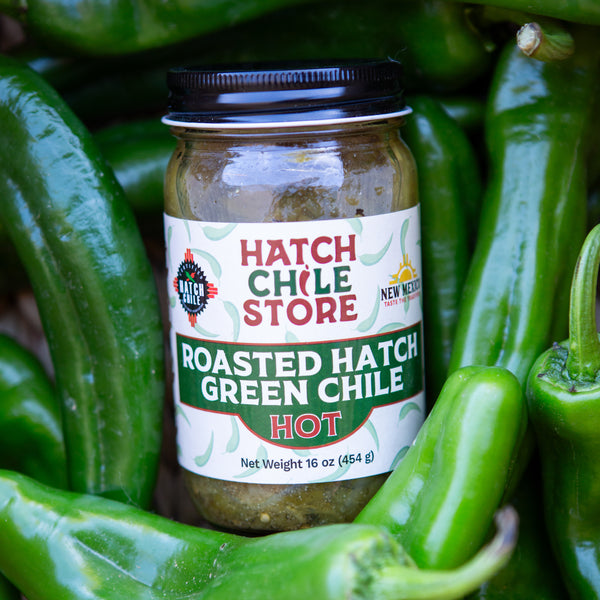
Jarred chile's texture depends on its ingredients and processing. Some jarred products are formulated to pour and smother rather than to hold the shape of a whole pod.
Our frozen Hatch chile comes chopped or whole, in mild, medium, or hot. Whole peppers are ideal for chile rellenos from scratch. Chopped is ready to toss directly into stews, queso, breakfast burritos, anywhere. Both ship in 5 lb vacuum-sealed bags, enough to stock a freezer for months.
Jarred chile, sauces & salsas: convenience with trade-offs
The right tool for the right job, when you understand the chemistry.
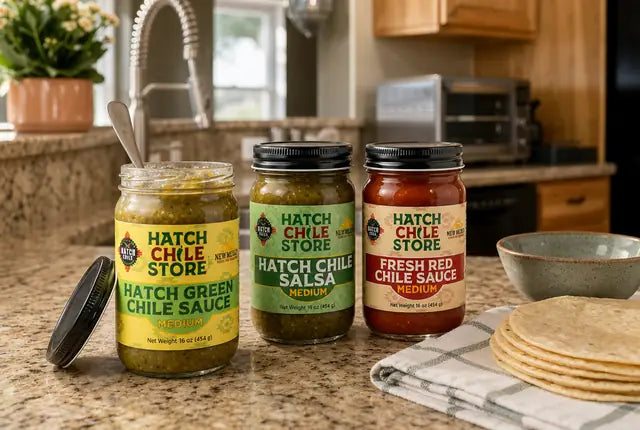
We sell jarred sauces and salsas too. They're delicious for dipping chips, smothering enchiladas, and gifting to friends who aren't ready to commit to a freezer full of green chile. But if you're a serious cook, you need to understand the trade-offs. This is the part most Hatch chile companies don't talk about, because it's bad for sales.
The FDA and how jarred chile is made shelf-stable
The FDA regulates acidified foods and thermally processed low-acid canned foods under separate rules. Under FDA rules, a shelf-stable, sealed low-acid product can be acidified to a finished pH of 4.6 or below (an "acidified food," 21 CFR Part 114), or it can be processed as a low-acid canned food under an appropriate scheduled thermal process (21 CFR Part 113), with no acid added at all. Acidification is one route to shelf stability; an appropriate thermal process is another. Added acid is not universal to every jarred chile product. Ingredients and processing vary by product, so check the label if this matters to you.
Processing for shelf stability
Jarred products use a process suited to their ingredients and packaging. Texture and taste vary by product; check the label or product page for preparation and storage instructions.
When jarred is the right tool
None of this means jarred products are bad. They serve real purposes:
- Shelf stability. No freezer space required for shelf-stable products; follow the product label for storage.
- Gifting. A jar of salsa or sauce ships cheap, looks great on a shelf.
- Zero prep. Open, pour, eat.
- Purpose-built sauces. Our green and red chile sauces are formulated as sauces, the acid is balanced into the recipe intentionally. They're not pretending to be fresh chile.
- Year-round availability. Ships UPS Ground (no cold pack) any time of year.
The problem is when someone buys a jar expecting it to taste exactly like fresh-roasted chile. Depending on the product's ingredients and processing, it may taste noticeably different. Check the label if you want to know what's in your jar.
The data: side-by-side comparison
What each format delivers, and what it sacrifices.
| Feature | Our fresh chile (raw) | Our frozen chile (roasted) | Jarred sauce/salsa |
|---|---|---|---|
| Flavor | Raw until you roast it | Roasted chile | Varies with ingredients and processing |
| Texture | Raw, crisp; you control the roast | Already roasted, partially peeled | Depends on ingredients & processing |
| Ingredients | Raw chile only | Chile only, no additives | Chile + other ingredients (varies by product; check label) |
| Acid added | No | No | May contain added acid; check label |
| Vitamin C | Varies with crop and preparation | Depends on roasting and storage | Check product nutrition information |
| Heat level | Set by variety & growing conditions | Set by variety & growing conditions | Check stated heat level; recipe & processing can affect taste |
| Shelf life | 4–7 days fridge | 2 years at 0°F | Check product label |
| Prep effort | High (roast / peel) | Low (thaw) | Zero |
| Availability | Seasonal; weather dependent | Year-round | Year-round |
| Best for | Purists, DIY roasters | Serious cooks, everyday use | Gifts, dipping, sauces |
Which format for which dish?
Different recipes call for different formats. Here's our quick reference.
🍳 Breakfast burritos & eggs
Use frozen chopped, thaw overnight, warm in a pan, fold into eggs. Firm texture holds without turning watery.
Shop frozen chopped →🫔 Chile rellenos
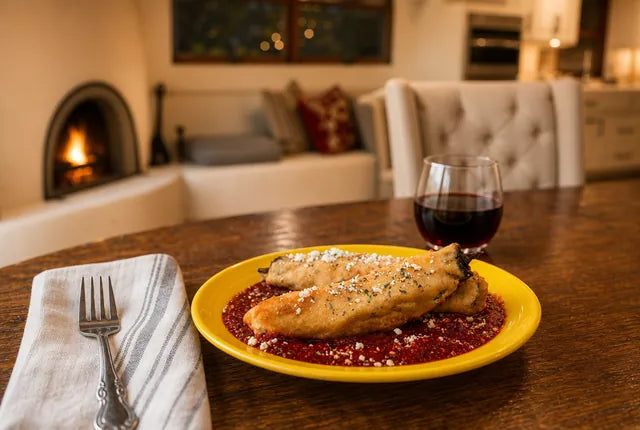
Use frozen whole peppers for stuffing, or buy our prepared rellenos. Jarred is too soft to hold shape.
Shop frozen whole →🍲 Green chile stew
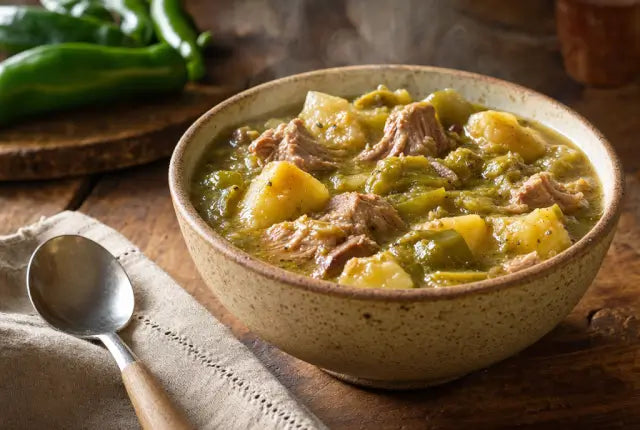
Use frozen chopped as the base. Intact cell structure means chile holds shape through long simmers.
Shop frozen chopped →🌯 Smothered enchiladas
Use a jarred green or red chile sauce. Sauces are designed for pouring and smothering.
Shop sauces →🍔 Burgers & sandwiches
Use frozen whole or chopped. Thaw, drain lightly, layer on. Jarred makes buns soggy.
Shop frozen →🧀 Queso & dips
Either. Frozen gives cleaner chile flavor; jarred salsa is the chip-dip move.
Shop salsas →🎁 Gifts & care packages
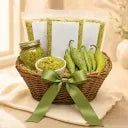
Use jarred, shelf-stable, no cold pack, ships cheap, looks great.
Shop gifts →Storage & shelf life
What the "best by" dates actually mean.
Keep frozen chile frozen and follow the package instructions for thawing and refrigerated storage. For jarred or canned products, follow the label for unopened storage and use after opening. Refrigerate after opening when directed; ingredients and processing affect storage time.
A best-by date generally describes quality, but packaging condition and storage history still matter. Do not rely on appearance or smell to establish safety, and never taste questionable food. Discard leaking or bulging containers and food you suspect is unsafe. See the USDA guide to shelf-stable food safety.
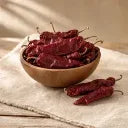
A ristra is a different category. Properly dried ristras hang for a year or longer as a decoration, and the pods stay culinary-grade for 6–12 months if you want to break them down into chile powder. Keep a ristra dry, ventilated, and out of direct sun.
| Format | Sealed / uncooked | After opening / thawing | Tips |
|---|---|---|---|
| Fresh (raw) | 4–7 days fridge | Roast within 3–5 days | Rinse, pat dry, store in crisper. |
| Fresh, roasted at home | 3–5 days fridge | Freeze same day | Portion flat in freezer bags, press out air. |
| Our frozen (vacuum-sealed) | 2 years at 0°F | 7 days in the fridge after thawing in the fridge | For partially thawed deliveries, follow our shipping guide. |
| Jarred sauces & salsas | Check product label | Follow use-after-opening instructions | Refrigerate after opening when directed. |
How many chiles are in a bag? A 5 lb frozen bag holds roughly 30–45 medium pods. A 25 lb fresh box runs 100–150 pods. Counts vary because Hatch chile is a real crop, we pack by weight, not by piece count. We don't sell smaller quantities because the dry-ice cooler costs the same whether it's holding 1 lb or 5 lb of chile, a smaller bag would cost you nearly the same to ship.
How we compare to other brands
The honest answer to the most common question we get.
The most common question we get is some version of: "What's the difference between you and The Fresh Chile Company, or Hatch Chile Express, or 505, or Old El Paso?" Here's the honest answer.
The other Hatch Valley sellers (Fresh Chile Company, Hatch Chile Express, 505 Southwestern, and a handful of others) are real operations with real chile. We're not going to talk down our neighbors. What makes our product different from theirs comes down to seed stock, the specific fields our family farms, and the hours between when a pod is picked and when it hits the roaster. We grow, roast, and ship from the same family operation, there's no broker in the middle. (More on our farm history on our About page.)
Canned green chiles vary in variety, growing origin, ingredients, and processing. Read the label for the stated origin rather than assuming that a can contains Hatch Valley chile. Compare ingredients, heat, and package weight when choosing a product. (See Hatch chile vs. Anaheim for more about the varieties.)
Fresh-roasted chile is a seasonal experience. Our frozen roasted chile offers a convenient year-round option with no added acid or water.
Frequently asked questions
Everything we get asked about format selection.
Is frozen Hatch chile as good as fresh?+
Frozen roasted chile is convenient for everyday cooking because it is already roasted and partially peeled. Fresh chile lets you choose the roast level yourself. Choose based on preparation, texture, and storage needs; neither format alone guarantees a particular nutrient level.
Why does jarred chile taste different from frozen?+
Ingredients and processing can change taste and texture. Some jarred products contain vinegar, citric acid, or lime juice, which adds tang; added acid is not universal to all jarred chile. Our frozen roasted chile has no added acid. Check each product's ingredients when comparing them.
What's the best Hatch chile product for someone who's never tried it?+
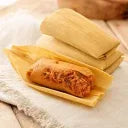
Start with frozen roasted chopped chile in medium heat. It's the purest representation of the flavor with no prep beyond thawing. If you'd rather start with something fully ready to eat, our green chile stew or chicken tamales are great introductions.
How much frozen chile should I order?+
Rough guide: 5 lbs lasts a casual user 2–3 months; 10–15 lbs covers a household using chile weekly for 4–6 months; 20+ lbs is for serious New Mexican cooks. Our frozen chile has a 2-year shelf life at 0°F, and Buy More, Save More pricing rewards stocking up.
Can I use frozen chile in place of jarred in recipes?+
In cooked dishes such as stews, queso, and enchiladas, frozen roasted chile can often replace plain chopped jarred chile. Compare ingredients, drain or thaw as your recipe requires, and adjust seasoning to taste. Follow a tested recipe for canning or preservation; do not substitute ingredients or alter acid levels in those recipes.
Why is frozen chile more expensive than jarred?+
Frozen roasted chile includes roasting, peeling, cold storage, and insulated shipping. When comparing prices, use price per ounce, package weight, and ingredients. Sauces may include ingredients other than chile and serve different purposes. Choose the format that fits your recipe and budget.
How long do jarred or canned chiles last after opening?+
Follow the storage and use-after-opening instructions on each product. Refrigerate after opening when directed; storage time varies with ingredients and processing. Discard jars with damaged seals, bulging lids, leakage, or signs of spoilage.
Is it safe to eat chiles after the expiration date?+
A best-by date generally describes quality, but storage history and packaging condition still matter. Follow the product instructions. Do not taste food to decide whether it is safe; discard questionable food.
How should I store a ristra, and how long do ristras last?+
Hang your ristra somewhere dry, well-ventilated, and out of direct sun, a covered porch or a kitchen wall away from the stove. A properly dried ristra lasts a year or longer as decoration, and the pods stay culinary-grade for 6–12 months if you want to grind them for chile powder.
Keep roasted Hatch chile ready for your next recipe.
Our frozen roasted Hatch chile comes ready for your kitchen. Choose your cut and heat level, and keep it on hand for stews, queso, and everyday cooking.