








New Mexican Tamales vs. Mexican Tamales: Key Differences
If you've only ever eaten one style of tamale, you might think all tamales are the same — masa wrapped around a filling, steamed until tender. But tamales are one of the most regionally diverse foods in the Americas. A tamale from New Mexico looks, tastes, and is even wrapped differently from a tamale you'd find in Mexico City, Oaxaca, or the Yucatán.
The differences aren't about which is "better" — both traditions have been refined over generations and reflect the ingredients, history, and culture of their regions. Understanding those differences helps you appreciate what makes each style special and, if you're ordering or making tamales, helps you know exactly what you're getting.
Below we'll break down every major difference — from the chile to the wrapping, the masa to the fillings — and survey tamale styles from across Mexico and Latin America for a complete picture of this 9,000-year-old food tradition.
Side-by-Side Comparison
| Feature | New Mexican Tamales | Mexican Tamales (Central/Southern) |
|---|---|---|
| Primary chile | Fresh or roasted Hatch Chile (green or red) | Dried chiles (guajillo, ancho, pasilla, chipotle) |
| Wrapping | Parchment paper (traditional) or corn husks | Corn husks (northern Mexico) or banana leaves (southern) |
| Masa texture | Stone-ground, slightly coarse, earthy flavor | Varies by region — fine-ground to coarse |
| Fat in masa | Pork lard (traditional) or vegetable shortening | Pork lard (traditional) or vegetable shortening |
| Common fillings | Red chile pork, green chile chicken, green chile & cheese | Mole, rajas con queso, chicken tinga, picadillo, sweet (pineapple, strawberry, dulce de leche) |
| Typical size | Medium — 5 to 7 inches | Varies widely — small (tamales de elote) to very large (zacahuil) |
| Shape | Cylindrical, flat-folded at one end | Cylindrical (husks) or rectangular packets (banana leaves) |
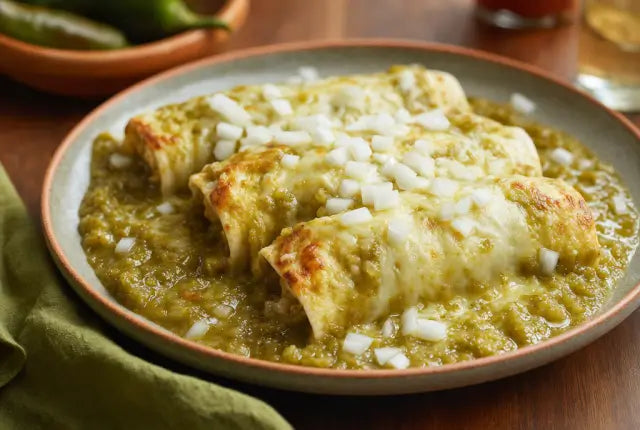
| Sauce/serving | Smothered in red or green Hatch chile sauce ("Christmas style" = both) | Often served plain, with salsa on the side, or inside a torta de tamal |
| Sweet varieties | Rare | Common — tamales dulces with pink masa, fruit, chocolate |
| Regional identity | Distinctly New Mexican — tied to Hatch Valley terroir | Varies enormously by state and town |
The Chile: The Biggest Difference
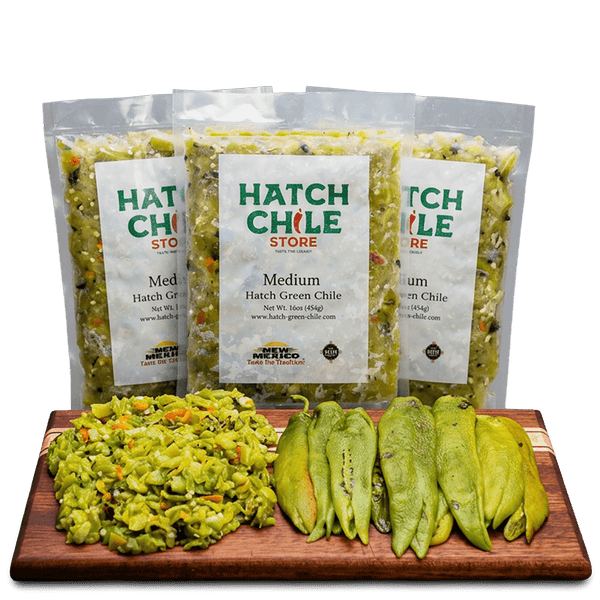
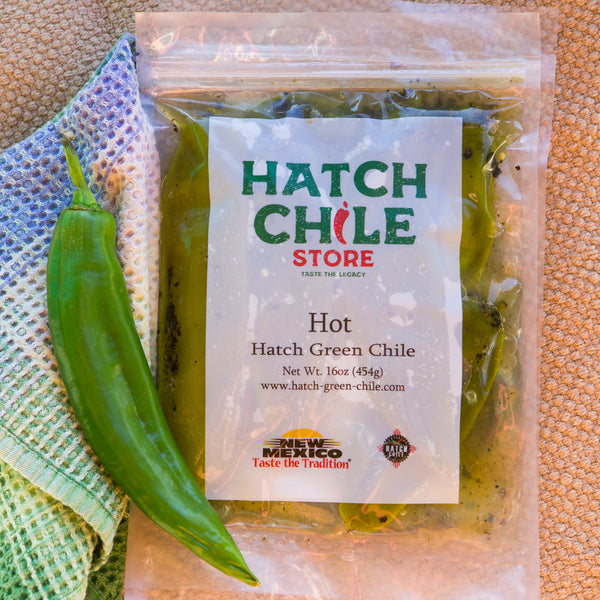
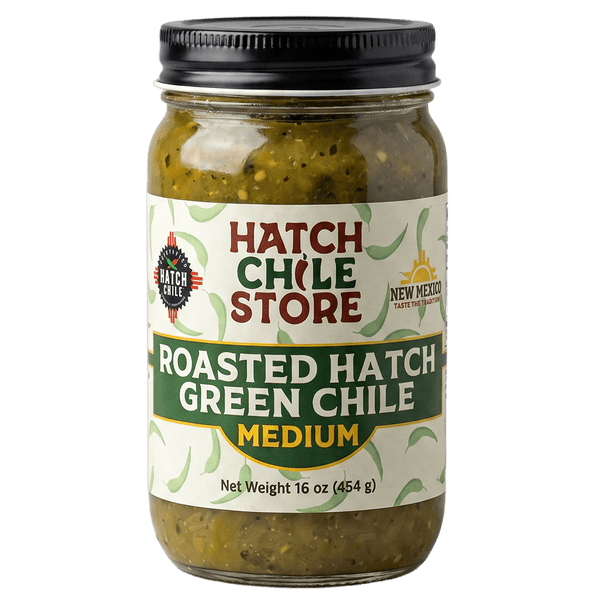
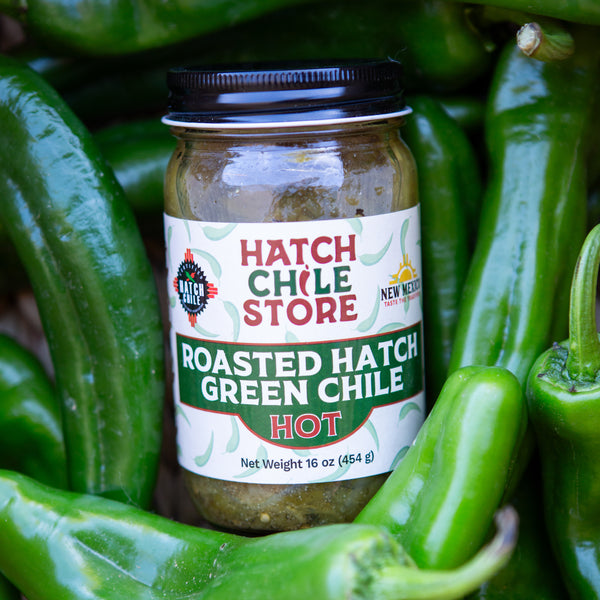
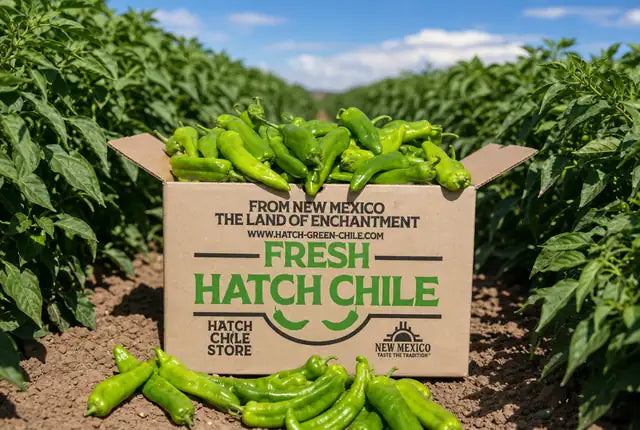
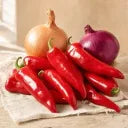
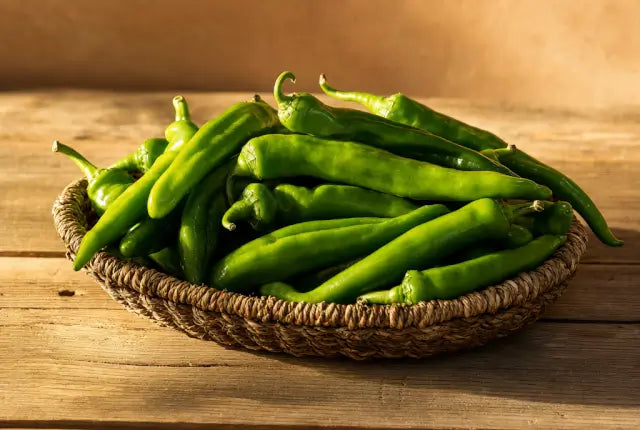
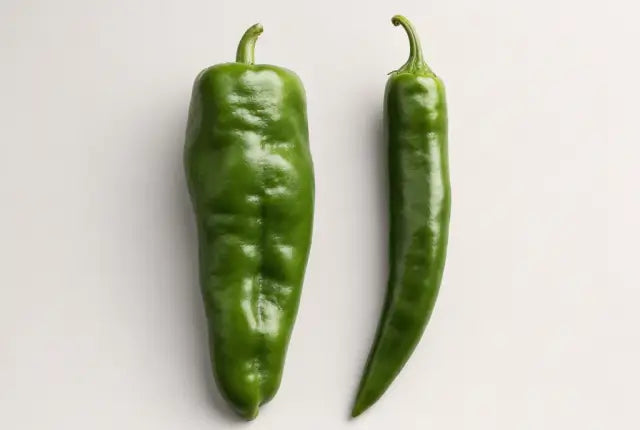
If there's one thing that defines New Mexican tamales and separates them from every other style, it's the chile. New Mexican tamales are built around Hatch Chile — a family of chile pepper cultivars grown in the Hatch Valley of southern New Mexico, where the combination of high desert altitude, Rio Grande irrigation, and intense Chihuahuan Desert sun produces a flavor profile you can't replicate elsewhere.
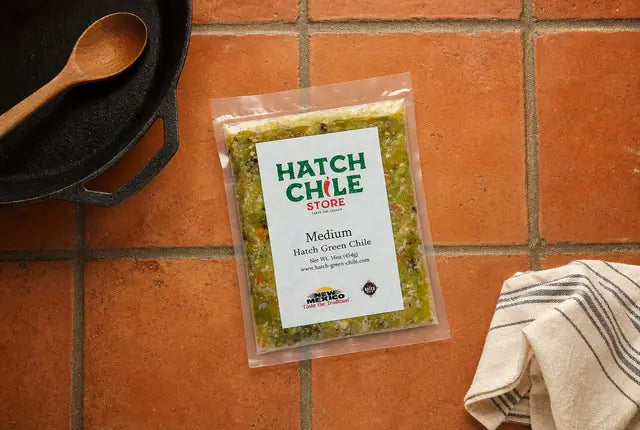
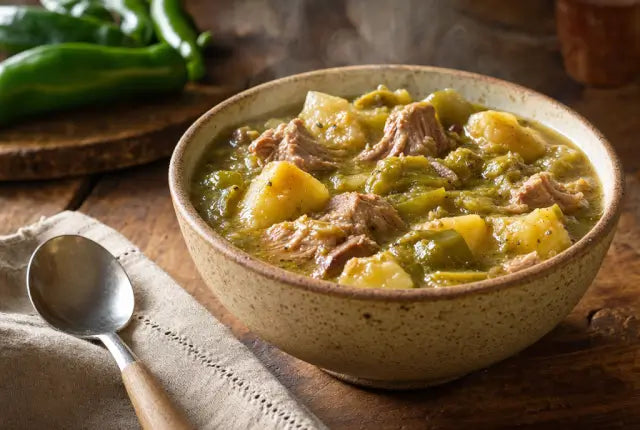
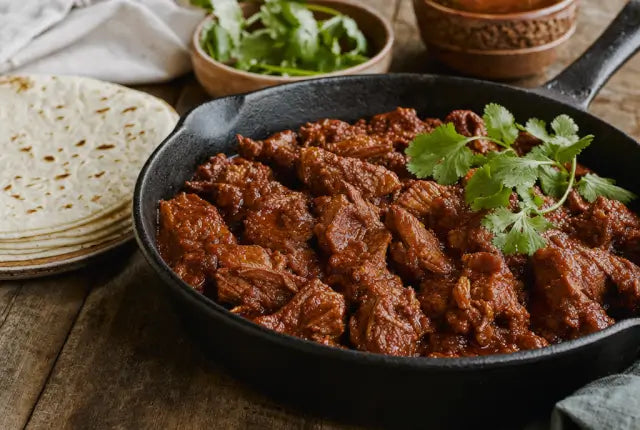
Hatch Green Chile is roasted fresh, peeled, and chopped or pureed before being incorporated into the tamale filling or sauce. The flavor is smoky, slightly sweet, and ranges from mild to searingly hot depending on the cultivar — varieties like Big Jim and Charger are medium heat, while Sandia Select and Lumbre bring serious fire. For red chile tamales, the chiles are allowed to ripen on the vine until they turn deep red, then dried and ground into a powder or simmered into a smooth sauce.
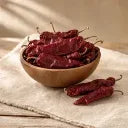
Mexican tamales from central and southern regions typically use dried chiles — guajillo, ancho, pasilla, chipotle, and others. These dried chiles are rehydrated, toasted, and blended into complex sauces and moles that have a deeper, more concentrated, and sometimes smokier flavor than the bright, roasted character of Hatch Chile. Northern Mexico shares more overlap with the New Mexican style, as fresh green chiles are grown and used throughout the border region, but the specific Hatch Valley terroir — the mineral-rich soil, the altitude, the dry heat — gives Hatch Chile its signature taste.
The Wrapping: Paper vs. Corn Husk vs. Banana Leaf
The wrapping is one of the most immediately visible differences between tamale styles, and it affects the final texture and flavor of the tamale more than most people realize.
📜 Paper Wrapping (New Mexican Style)
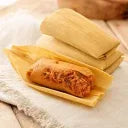
Many traditional New Mexican tamales — including ours — are wrapped in parchment paper rather than corn husks. This isn't a modern shortcut; it's a regional tradition that goes back generations in southern New Mexico. Paper wrapping creates a tighter seal around the tamale, which steams the masa more evenly and produces a smoother, slightly firmer exterior. The paper also doesn't impart any additional flavor, which lets the Hatch Chile and masa speak for themselves. After steaming, the paper peels away cleanly.
🌽 Corn Husk Wrapping (Northern & Central Mexican Style)
Corn husks (hojas de maíz) are the most widely recognized tamale wrapping across Mexico and the U.S. Dried corn husks are soaked in warm water until pliable, then spread with masa and filled. The corn husk adds a subtle, sweet corn aroma to the tamale as it steams and creates a slightly looser, more rustic exterior. The husk is not eaten — it's peeled back before the tamale is consumed. This is the style most Americans picture when they think "tamale."
🍃 Banana Leaf Wrapping (Southern Mexican & Central American Style)
In southern Mexico (Oaxaca, Chiapas, Veracruz, the Yucatán) and throughout Central America, tamales are wrapped in banana leaves. The large, flexible leaves create a rectangular packet that can hold a generous portion of masa and filling. Banana leaves impart a faintly grassy, herbal flavor and produce a silkier, more moist texture in the masa. Oaxacan tamales and Yucatecan mucbipollos are among the most famous banana-leaf styles.
The Masa
All tamales start with masa — a dough made from nixtamalized corn (corn kernels treated with an alkaline solution, usually lime water, which removes the hull, softens the kernel, and makes nutrients more bioavailable). The nixtamalization process is ancient and universal across tamale traditions, but the texture and preparation of the masa varies.
New Mexican tamales typically use a stone-ground masa that retains a slightly coarse, rustic texture. The grind isn't as fine as you'd find in a tortilla — it's deliberately left a bit grainy, which gives the finished tamale a heartier bite and a more pronounced corn flavor. The masa is whipped with lard (traditional) or vegetable shortening, broth, baking powder, and salt until light and fluffy. A well-made New Mexican tamale masa should be airy, not dense.
Mexican tamales vary enormously in their masa preparation depending on the region and style. In central Mexico, the masa may be fine-ground and very smooth. In Oaxaca, it might be coarser and enriched with extra lard for a luxuriously rich mouthfeel. Sweet tamales (tamales dulces) add sugar, cinnamon, and sometimes food coloring to create a pink or pastel-colored dough. Some regional styles use fresh masa from a local molino (corn mill) rather than dried masa harina, which produces a softer, more fragrant tamale.
The Fillings
This is where the two traditions diverge most dramatically.
New Mexican tamales keep it focused. The three classic fillings are red chile pork, green chile chicken, and green chile with cheese. The emphasis is on the Hatch Chile itself as the primary flavor — the protein and cheese are supporting players. Our Red Chile Pork Tamales use smoked pork in a red Hatch chile sauce. The Green Chile Chicken Tamales feature roasted Hatch Green Chile with seasoned chicken and cheddar cheese — an iconic New Mexican flavor combination. The Green Chile Cheese Tamales have no meat and are inspired by the flavors of a chile relleno, with a gooey cheese and roasted green chile filling.
Mexican tamales offer a much wider range of fillings that reflect the country's incredible regional diversity. Mole tamales (chicken in a complex, multi-chile mole sauce) are beloved in Oaxaca and Puebla. Rajas con queso (roasted poblano strips with cheese) is a popular vegetarian option throughout central Mexico. Tamales de elote are fresh-corn tamales that are naturally sweet and often served as a side dish. Tamales dulces — sweet tamales with strawberry, pineapple, raisins, or chocolate — are a category unto themselves, popular as breakfast or dessert. The Yucatecan mucbipollo is an enormous tamale baked in a pit, filled with chicken in achiote recado sauce and wrapped in banana leaves.
Size & Shape
New Mexican tamales are fairly consistent in size — typically 5 to 7 inches long and cylindrical, with one end flat-folded where the paper wrapping is sealed. They're a uniform, hand-held portion designed to be a main course (3–4 tamales per person).
Mexican tamales range wildly. Small tamales de elote might be 3 inches long. Standard corn-husk tamales are similar in size to New Mexican ones. But banana-leaf tamales from southern Mexico tend to be much larger — sometimes 8 to 12 inches — because the broad leaves allow for generous portions. At the extreme end is the zacahuil from the Huasteca region: a single tamale that can be 3 to 5 feet long, weighing up to 150 pounds, cooked in a pit oven and served to an entire community.
How They're Served
The serving style reveals a lot about each culture's relationship with tamales.
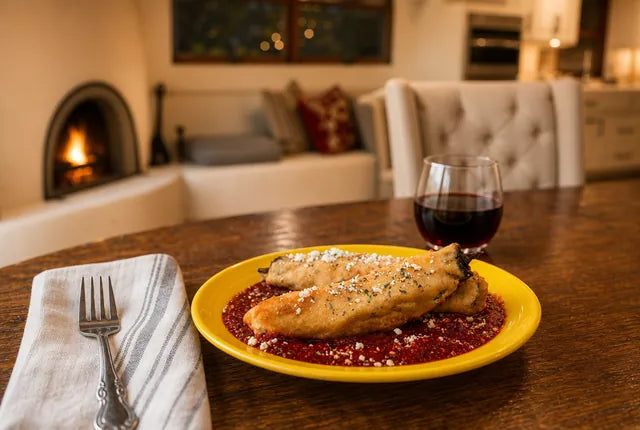
New Mexican style: Tamales are plated, unwrapped, and smothered in red or green Hatch chile sauce — or both, which is called "Christmas style." They're typically topped with shredded cheese and a dollop of sour cream or crema, and served alongside green chile stew, posole, refried beans, and Spanish rice. The tamale is the centerpiece of a composed plate. Learn more in our complete tamale pairing guide.
Mexican style: In much of Mexico, tamales are often eaten more casually — grabbed from a street vendor in the morning, tucked inside a bolillo roll to make a torta de tamal (yes, a tamale sandwich — it's a Mexico City staple), or served on a plate with a side of salsa. Tamales in Mexico are more likely to be eaten as breakfast or a snack than as a sit-down dinner course, though holiday celebrations like Nochebuena feature them as the main event.
Tamale Styles Across Mexico & Latin America
Tamales are not a monolith — they're one of the most regionally varied foods in the Western Hemisphere. Here's a sampling of major styles beyond the New Mexican tradition.
🇲🇽 Central Mexico (Mexico City, Puebla)
Wrapping: Corn husks
Key fillings: Mole verde, mole rojo, rajas con queso, chicken tinga
Notable: The birthplace of torta de tamal (tamale stuffed inside a bread roll). Mexico City's street vendors sell tamales from steam carts at dawn.
🇲🇽 Oaxaca
Wrapping: Banana leaves
Key fillings: Black mole (mole negro), chicken, chepil herb
Notable: Oaxacan tamales are large, rectangular, and rich. The banana leaf gives the masa a distinctly silky texture. Often served at weddings and festivals.
🇲🇽 Yucatán
Wrapping: Banana leaves
Key fillings: Achiote-marinated chicken or pork (recado rojo)
Notable: Mucbipollo (or pibipollo) is a massive pit-cooked tamale served during Day of the Dead. Vaporcitos are smaller, everyday tamales.
🇲🇽 Northern Mexico (Sonora, Chihuahua)
Wrapping: Corn husks
Key fillings: Red chile pork, green chile, machaca (dried beef)
Notable: Northern Mexican tamales share the most DNA with New Mexican tamales. The border region's tamale traditions flow in both directions, with fresh green chiles playing a larger role than in central/southern Mexico.
🇲🇽 Veracruz & Gulf Coast
Wrapping: Banana leaves
Key fillings: Pork in red sauce, jalapeño, acuyo leaf
Notable: Zacahuil — the legendary giant tamale from the Huasteca region — can measure 3–5 feet long and is cooked in a pit oven to serve an entire village.
🇬🇹🇸🇻🇭🇳 Central America
Wrapping: Banana leaves (primarily)
Key fillings: Chicken, pork, olives, capers, prunes, bell pepper
Notable: Guatemalan tamales colorados are large, festive tamales with a complex, slightly sweet tomato-chile sauce and sometimes include olives and prunes. Salvadoran tamales de elote are sweet corn tamales.
A Shared History
Despite their differences, all tamales trace back to the same origin: Mesoamerican civilizations that domesticated corn thousands of years ago and developed nixtamalization — the process of treating corn with an alkaline solution that makes it nutritious, grindable, and shelf-stable. Tamales were portable food for Aztec warriors, ritual offerings to the gods, and celebration food for harvest festivals. The wrapped-and-steamed format was ingenious: it required no special cookware, traveled well, and could be filled with whatever was locally available.
When Spanish colonization reshaped the Americas, tamale traditions traveled and evolved with migrating populations. In what is now New Mexico, indigenous Pueblo peoples were already making corn-based foods when Spanish settlers arrived in the 16th century. The blending of Pueblo, Spanish, and later Mexican culinary traditions created the distinctly New Mexican style: Hatch Chile as the defining ingredient, paper wrapping as a regional preference, and a simpler filling approach that lets the terroir-driven chile flavor lead.
Today, tamales are eaten in every country from Canada to Chile, in hundreds of regional variations. They're one of the oldest continuously prepared foods in the world — and the fact that New Mexican tamales taste meaningfully different from Oaxacan tamales, which taste different from Yucatecan tamales, is not a flaw but a testament to the extraordinary diversity that one ancient idea (wrap food in a leaf and steam it) can produce across different landscapes, climates, and cultures.
Frequently Asked Questions
What makes New Mexican tamales different from regular tamales?
The defining difference is the chile. New Mexican tamales use fresh or roasted Hatch Chile — a specific group of cultivars grown in the Hatch Valley of southern New Mexico — rather than the dried chiles (guajillo, ancho, chipotle) used in most Mexican tamale traditions. New Mexican tamales are also traditionally wrapped in paper rather than corn husks, and they tend to have a simpler filling focused on showcasing the chile flavor: red chile pork, green chile chicken, or green chile and cheese.
Why are some tamales wrapped in paper instead of corn husks?
Paper wrapping is a long-standing tradition in southern New Mexico. It creates a tighter seal that steams the masa more evenly and produces a slightly smoother, firmer exterior. The paper doesn't add flavor, which lets the Hatch Chile and corn masa flavors come through unaltered. It's not a shortcut — it's a regional preference with deep roots.
Are New Mexican tamales spicy?
It depends on the chile cultivar used. Our Red Chile Pork Tamales and Green Chile Chicken Tamales are medium heat — noticeable but not overwhelming. The Green Chile Cheese Tamales are medium heat too. Hatch Chile in general ranges from very mild to very hot depending on the variety, and we use cultivars in the medium range for broad appeal.
What is the difference between a tamale and a tamal?
"Tamal" is the correct singular form in Spanish (from the Nahuatl word tamalli). "Tamale" is the anglicized singular form commonly used in English. "Tamales" is the plural in both languages. Both "tamal" and "tamale" are widely accepted in English — the distinction is linguistic, not culinary.
Do you eat the wrapping on a tamale?
No — the wrapping is removed before eating, regardless of whether it's paper, corn husk, or banana leaf. The wrapping serves as a cooking vessel that protects and steams the masa. Unwrap, discard the wrapper, and enjoy the tamale inside.
What are the most popular types of tamales?
In New Mexico, the most popular are red chile pork, green chile chicken, and green chile and cheese. Across Mexico, favorites include mole tamales, rajas con queso (roasted poblano and cheese), chicken in green sauce, and tamales dulces (sweet tamales with strawberry or pineapple). Each region has its own specialties — Oaxaca is known for banana-leaf mole tamales, the Yucatán for achiote-seasoned mucbipollo, and the Huasteca for the massive zacahuil.
What does "Christmas style" mean for tamales in New Mexico?
"Christmas" in New Mexican food means ordering both red and green chile on the same dish. For tamales, it means serving red chile pork tamales and green chile chicken tamales on the same plate, or smothering a tamale with both red and green Hatch chile sauce. It has nothing to do with the December holiday — though tamales are absolutely a centerpiece of New Mexican Christmas dinner.
Taste the New Mexican Difference
Our handmade tamales are wrapped in parchment paper, filled with Certified Hatch Chile, and shipped frozen on dry ice from Southern New Mexico to your door.
Shop Hatch Chile Tamales →