














How Chile Peppers Boost Metabolism: What the Research Says
Chile peppers boost metabolism primarily through capsaicin, the compound responsible for their heat, which increases energy expenditure by 6-10% for up to three hours after consumption. Research published in the American Journal of Clinical Nutrition demonstrates that capsaicin activates brown adipose tissue and triggers thermogenesis, helping your body burn calories more efficiently. Our family has grown chile in the Hatch Valley for five generations. Understanding these health benefits helps explain why chile peppers have been a dietary staple for centuries.
The Science Behind Capsaicin and Metabolic Enhancement
Capsaicin, the active alkaloid in chile peppers, works by binding to TRPV1 receptors (vanilloid receptors) throughout your body. According to research from Purdue University's Department of Nutrition Science, this binding triggers several metabolic processes that increase calorie burning.
How Capsaicin Activates Thermogenesis
When you consume chile peppers, capsaicin stimulates your sympathetic nervous system, leading to:
- Increased heart rate - Your cardiovascular system works harder, burning additional calories
- Enhanced fat oxidation - Your body preferentially burns stored fat for energy
- Brown fat activation - Specialized fat tissue that burns calories to generate heat
- Elevated core temperature - Your body expends energy to regulate temperature
Dr. Richard Mattes from Purdue University found that participants who consumed 1 gram of red pepper with meals experienced a 10% increase in energy expenditure over four and a half hours compared to those who ate no pepper.
The Role of Heat Level in Metabolic Benefits
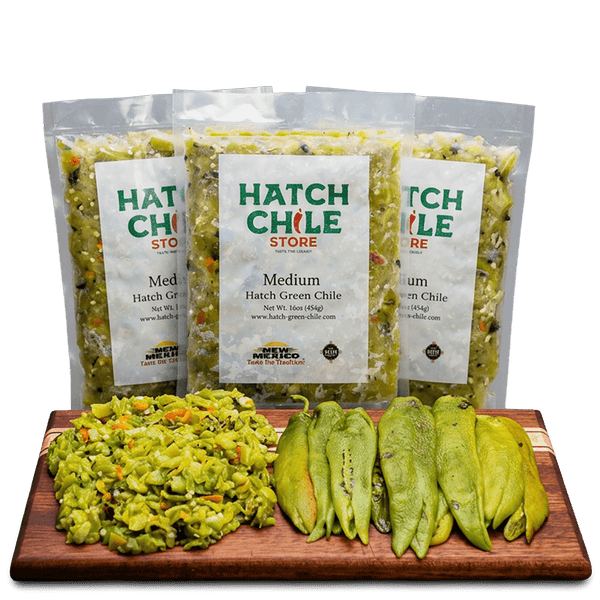
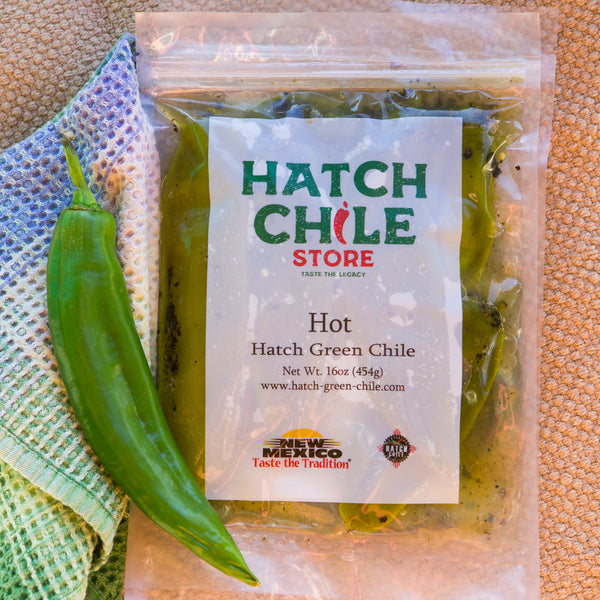
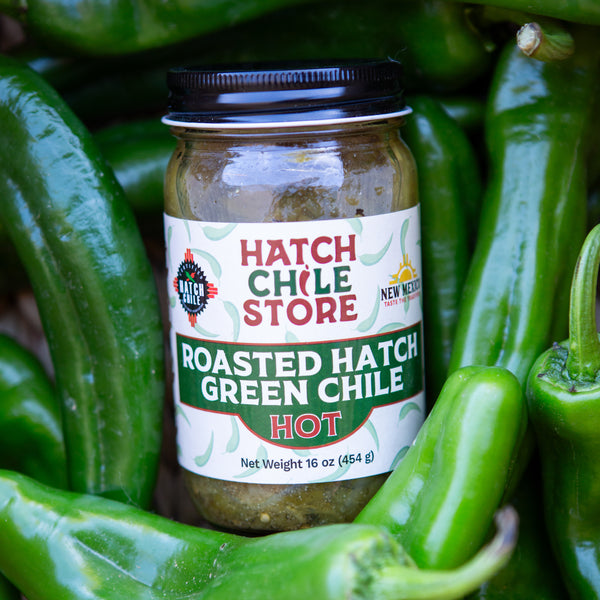
The intensity of metabolic effects correlates directly with capsaicin concentration. Our chile heat scale helps customers understand that hotter varieties like our hot green chile contain higher capsaicin levels, potentially offering greater metabolic benefits.
| Chile Variety | Scoville Heat Units | Metabolic Impact |
|---|---|---|
| Hatch Mild Green | 0-2,000 | Moderate |
| Hatch Medium Green | 2,000-7,000 | Good |
| Hatch Hot Green | 7,000-11,000 | High |
| Hatch X-Hot Green | 11,000+ | Very High |
Research Studies on Chile Peppers and Weight Management
Multiple peer-reviewed studies have examined the relationship between chile pepper consumption and metabolic health. The New Mexico State University Chile Pepper Institute has documented several key findings.
UCLA Clinical Trial Results
Researchers at UCLA's Center for Human Nutrition conducted a 12-week randomized controlled trial with 34 participants. Those who took capsaicin supplements daily showed:
- 23% greater fat loss compared to the placebo group
- Increased thermogenesis lasting up to 3 hours post-consumption
- Enhanced insulin sensitivity
- Reduced appetite and caloric intake
International Journal of Obesity Findings
A comprehensive meta-analysis published in the International Journal of Obesity reviewed 20 studies involving over 800 participants. The analysis confirmed that regular capsaicin consumption:
- Increases energy expenditure by an average of 50 calories per day
- Enhances fat oxidation by 16%
- Reduces abdominal fat accumulation
- Improves metabolic flexibility
Hatch Chile's Unique Metabolic Advantages
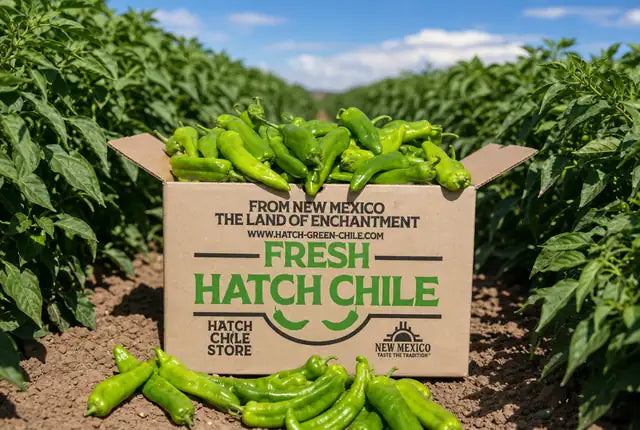
The Hatch Valley's unique terroir creates chiles with exceptional nutritional profiles.
Nutritional Profile of Hatch Green Chiles
According to USDA FoodData Central (FDC 170497, raw hot green chile), 100 grams of fresh Hatch green chile provides:
- Vitamin C: 242.5 mg (269% Daily Value)
- Vitamin A: 59 mcg RAE (7% Daily Value)
- Folate: 23 mcg (6% Daily Value)
- Potassium: 340 mg (7% Daily Value)
- Calories: 40 per 100 grams
The Advantage of Roasted Varieties
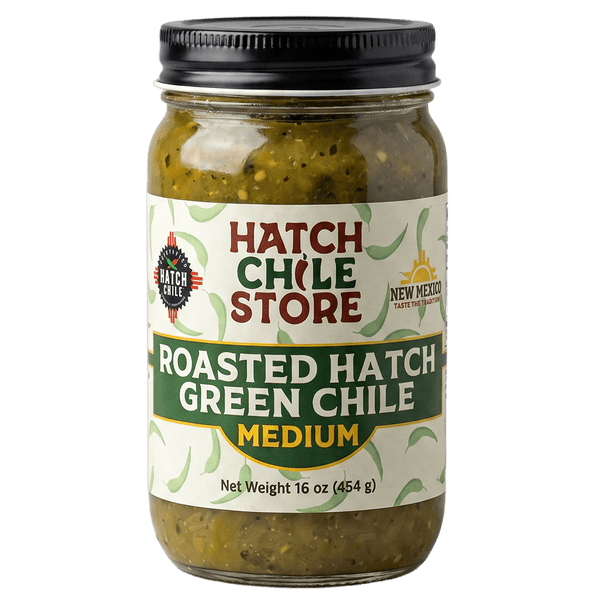
Fire-roasting concentrates flavors and may enhance bioavailability of certain compounds. Research from the Chile Pepper Institute suggests that roasted green chile retains 85-90% of its original capsaicin content while developing additional antioxidant compounds through the Maillard reaction.
Optimizing Chile Consumption for Metabolic Benefits
To maximize the metabolism-boosting effects of chile peppers, timing and preparation methods matter. Research indicates that consuming chiles with meals provides the greatest thermogenic benefit.
How Much to Eat
Studies use different amounts, so there is no set daily dose. Start with milder chile and work up as you get used to the heat.
Best Preparation Methods for Maximum Benefits
Different preparation methods affect capsaicin availability:
- Fresh consumption: Provides immediate capsaicin delivery
- Fire-roasting: Concentrates compounds while maintaining bioactivity
- Drying: Creates shelf-stable products with concentrated capsaicin
- Freezing: Preserves capsaicin content for year-round benefits
Additional Health Benefits Beyond Metabolism
While metabolic enhancement represents a primary benefit, research documents numerous other health advantages of regular chile consumption.
Cardiovascular Health
The American Heart Association cites studies showing that capsaicin consumption may reduce risk factors for heart disease by:
- Lowering LDL cholesterol levels
- Reducing blood pressure
- Improving circulation
- Decreasing inflammation markers
Blood Sugar Regulation
Research published in the Journal of Nutritional Science demonstrates that capsaicin helps regulate blood glucose levels by improving insulin sensitivity and glucose uptake in muscle tissue.
Safety Considerations and Individual Tolerance
While chile peppers offer significant health benefits, individual tolerance varies considerably. Start with milder varieties and gradually increase heat levels.
Who Should Exercise Caution
Certain individuals should consult healthcare providers before increasing chile consumption:
- People with gastroesophageal reflux disease (GERD)
- Those taking blood-thinning medications
- Individuals with irritable bowel syndrome
- Anyone with capsaicin sensitivity
Incorporating Hatch Chiles into Your Daily Diet
Consistency matters more than intensity when it comes to health benefits. Small daily amounts of chile provide better long-term results than occasional large servings.
Simple Daily Integration Strategies
- Morning: Add diced green chile to scrambled eggs
- Lunch: Include chopped chiles in salads or sandwiches
- Dinner: Incorporate chile into soups, stews, or main dishes
- Snacks: Enjoy chile-spiced nuts or vegetables
Frequently Asked Questions
How much chile pepper do I need to eat daily to boost metabolism?
Studies use different amounts, so there is no set daily dose. Start with smaller amounts and gradually increase based on your tolerance level.
Do milder chile varieties still provide metabolic benefits?
Yes, even mild Hatch chiles contain capsaicin that can boost metabolism, though the effects are less pronounced than with hotter varieties. Mild chiles still provide 6-8% increases in energy expenditure according to Purdue University research.
How long do the metabolism-boosting effects of chile peppers last?
Studies show that capsaicin increases energy expenditure for 2-3 hours after consumption, with peak effects occurring 30-60 minutes post-meal. Regular daily consumption maintains elevated metabolic activity throughout the day.
Are dried or fresh chiles better for metabolic benefits?
Both forms provide similar capsaicin content and metabolic benefits. Fresh chiles offer immediate bioavailability, while properly dried chiles concentrate the active compounds. Choose based on availability and personal preference.
Can chile peppers help with long-term weight management?
Clinical trials indicate that regular chile consumption can support weight management through increased energy expenditure, enhanced fat oxidation, and appetite suppression. However, chiles work best as part of an overall healthy diet and lifestyle.