









Main Course
Carne Adovada
 4.9 · 142 reviews
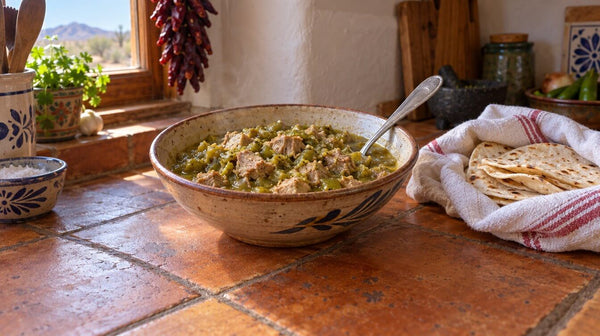
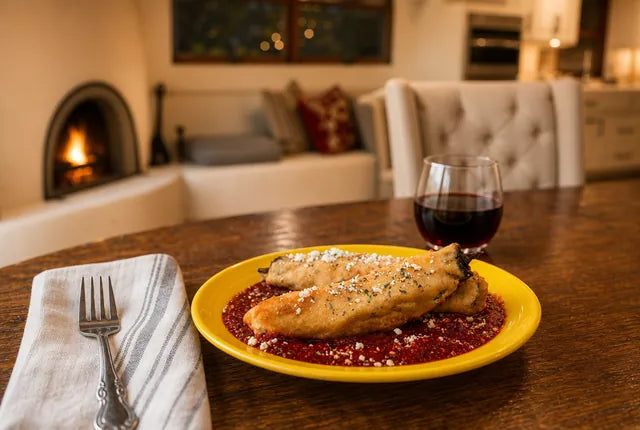
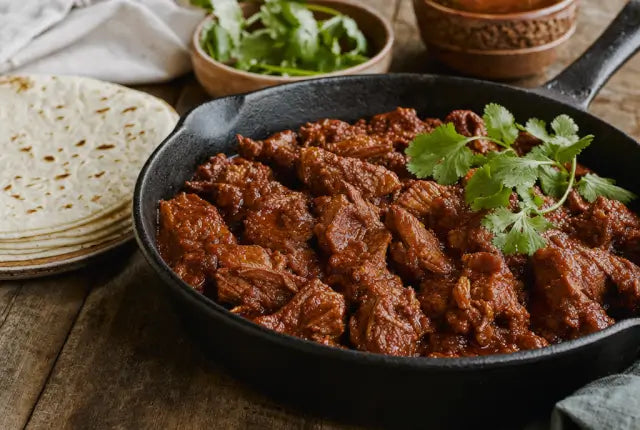
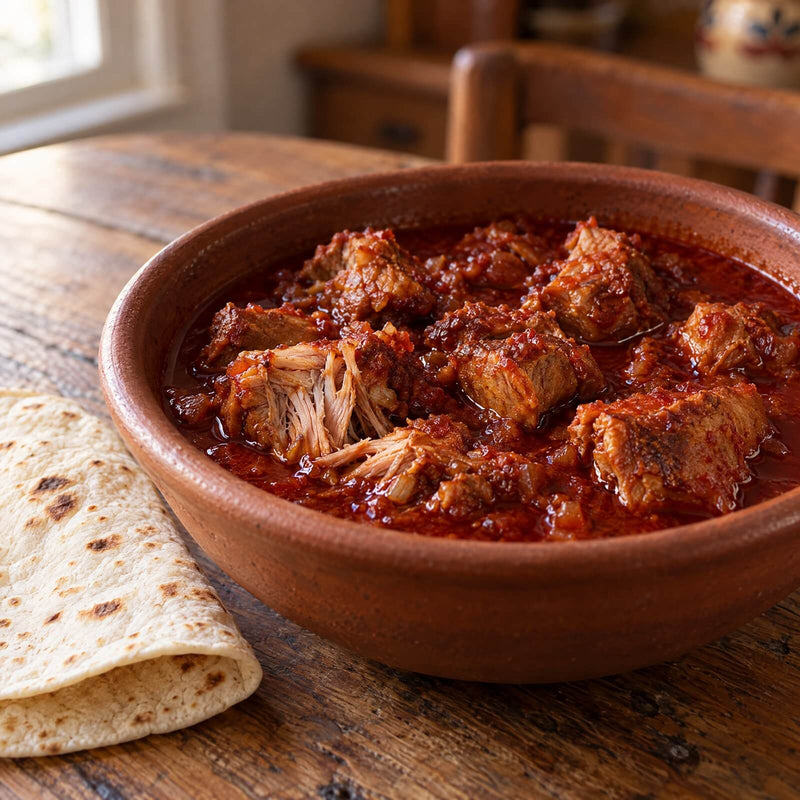
Carne adovada is New Mexico's great red chile dish — chunks of pork shoulder marinated and slow-braised in a deep, earthy red chile sauce until the meat falls apart at the touch of a fork. The name comes from the old Spanish for "marinated meat," and that long soak in pure red chile is the whole point. This isn't a chili powder stew or a tomato-based braise. Real carne adovada gets its color, its heat, and its faint fruity sweetness from one thing: dried New Mexico red chile pods and powder. Made right, it's some of the best comfort food on earth.
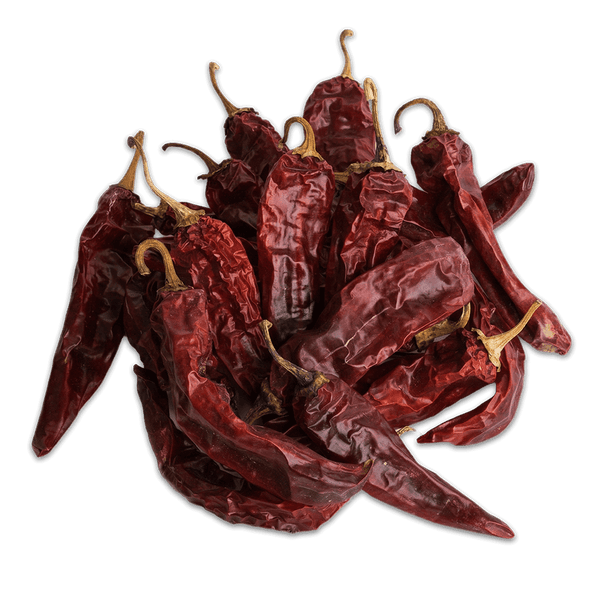
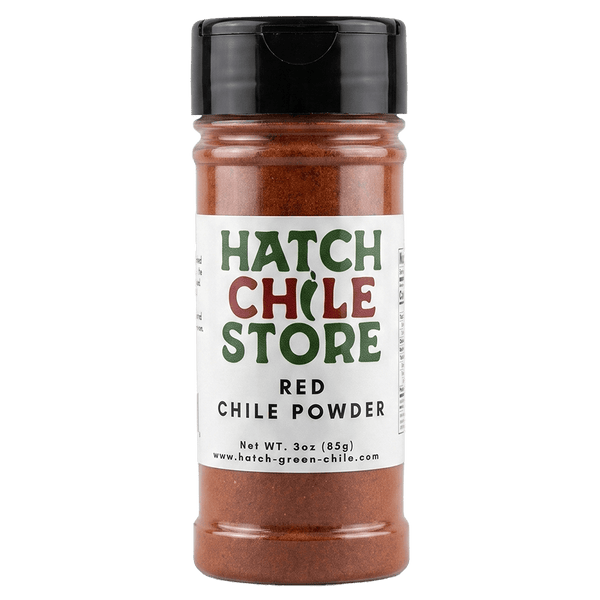
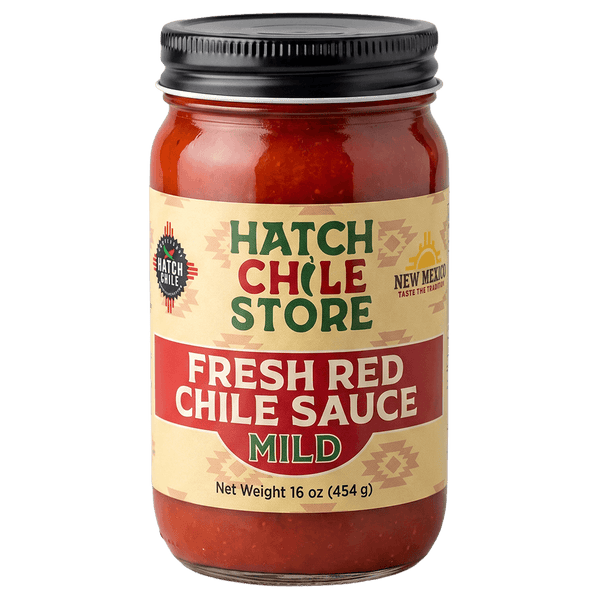
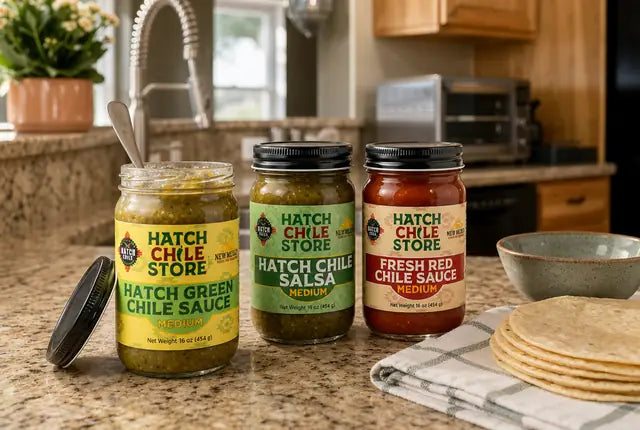
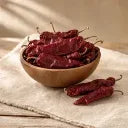
Our family has grown Hatch chile in the fertile soil of the Hatch Valley for five generations, and red chile is what we cook when we want to taste home. When the green chile harvest is left on the plant to ripen and dry on the vine, it turns a deep brick-red and the flavor changes completely — sweeter, richer, more complex than green. That ripened red chile is the soul of carne adovada. You can build the sauce from dried Hatch red chile pods you rehydrate and blend yourself, lean on our Hatch red chile powder for a faster version, or skip straight to the simmer with our fresh Hatch red chile sauce. All three give you authentic New Mexico flavor — the only difference is how much you want to do by hand.
What is carne adovada, exactly? It's pork (always pork — traditionally pork shoulder or butt) cooked low and slow in a marinade-turned-sauce of pure red chile, garlic, oregano, and cumin. The Spanish word adovada (from adobar, to marinate) tells you the technique: the meat sits in the chile, soaks it up, and then braises in it. The result is tender, saucy, and unmistakably New Mexican. It is not the same as Mexican carne adobada, and it is a world apart from Tex-Mex chili.
Why a 24-hour marinade matters. The single biggest thing separating great carne adovada from good is time. Letting the pork marinate in the red chile sauce overnight — ideally a full 24 hours — lets the chile penetrate the meat instead of just coating it. If you're short on time you can braise the same day and it'll still be delicious, but the overnight rest is the traditional move and it's worth the wait.
Picking your chile and dialing the heat. Hatch red chile runs from mild to medium-hot — fruity and earthy rather than searing. For a true-to-tradition pot, use mild-to-medium pods or powder; the long braise concentrates the flavor, so a sauce that tastes gentle raw will deepen as it cooks. Want more fire? Add a pinch of cayenne or reserve a few hotter pods. Don't reach for grocery-store "chili powder" — that's a blend with cumin and oregano already in it, and it'll muddy the clean red chile flavor that defines this dish.
Substitutions and shortcuts. No time to rehydrate pods? Whisk our red chile powder with broth and a touch of flour for a quick sauce, or open a jar of our pure red chile sauce and you're halfway done. Pork shoulder is ideal for its fat and collagen, but country-style pork ribs work beautifully too. A splash of vinegar or a little honey at the end balances the chile — add it to taste once the meat is tender.
Common mistakes. Cooking too hot or too fast leaves the pork tough — carne adovada wants a low oven and patience. Skipping the marinade gives you pork in chile rather than pork of chile. And under-salting flattens everything; season in stages and taste before serving.
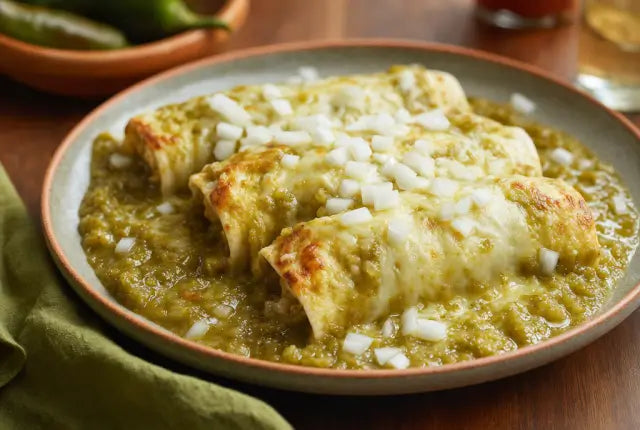
How to serve it. Carne adovada is endlessly useful. Spoon it over rice with a side of pinto or refried beans for the classic plate. Wrap it in warm flour tortillas for the best burritos you'll ever make, roll it into red chile enchiladas, or pile it onto eggs for a New Mexican breakfast. It also makes a stellar taco filling. For a faster weeknight take on pork-and-red-chile, see our Instant Pot red chile pork — same family of flavors, ready in 30 minutes.
Storing and reheating. Carne adovada is one of those dishes that's even better the next day, once the chile has fully married the pork. Refrigerate it in its sauce for up to 4 days, or freeze for up to 3 months — it freezes beautifully. Reheat gently on the stovetop with a splash of broth or water to loosen the sauce; avoid blasting it in the microwave, which can dry out the pork. Make a big batch on Sunday and you've got the foundation for a week of burritos, bowls, and enchiladas.
Carne Adovada
- Prep20 min
- Cook3 hr
- Total3 hr 20
- Serves6 servings
Ingredients

Instructions
- If making sauce from scratch, simmer the dried red chile pods in the broth for 15 minutes until soft, then blend until smooth.
- In a large bowl, combine the pork cubes with the red chile sauce, garlic, oregano, cumin, vinegar, and salt. Cover and marinate in the refrigerator for at least 6 hours, ideally 24 hours.
- Heat the oven to 325 degrees F.
- Heat the oil in a Dutch oven over medium-high heat and lightly brown the onion.
- Add the marinated pork along with all of its sauce and the broth. Stir to combine.
- Cover and braise in the oven for 2.5 to 3 hours, stirring once or twice, until the pork is fork-tender and the sauce has thickened.
- Stir in the honey if using, then taste and adjust salt.
- Let rest 10 minutes before serving over rice and beans, or in tortillas.
Made with Hatch New Mexico Red Chile Powder, grown by our family in the Hatch Valley for five generations.