






Red or Green? Our State's Official Question - Answered
Walk into any restaurant in New Mexico—from a roadside diner in Las Cruces to a white-tablecloth establishment in Santa Fe—and you'll hear the same question asked of every customer ordering enchiladas, burritos, or huevos rancheros:
This three-word question isn't small talk. It's so culturally significant that in 1996, the New Mexico State Legislature made it the official state question—making New Mexico the only state in America with one. The story of how those three words became enshrined in law involves a high school student, bipartisan political drama, a gubernatorial veto, and a Santa Fe waitress who invented the perfect answer for the indecisive.
As a fifth-generation Hatch Valley chile farming family, we've been answering this question our entire lives. Here's the complete history of how "Red or Green?" became more than a question—it became New Mexico's identity.
What Does "Red or Green?" Actually Mean?
Before we dive into history, let's clarify what this question is really asking.
In New Mexico, nearly every dish can be served with chile sauce. When your server asks "Red or green?" they're asking which type of New Mexico chile you want smothered over your meal.
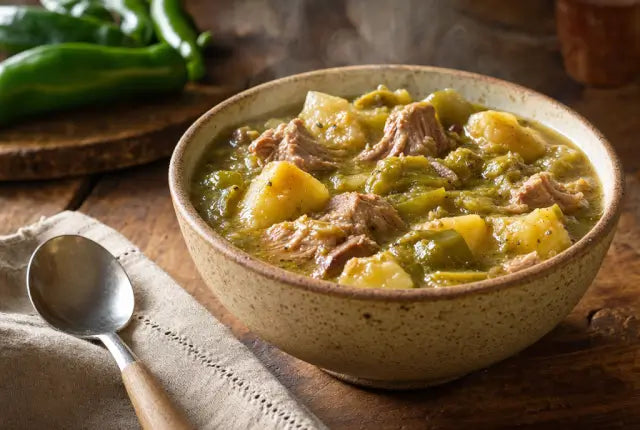
🟢 Green Chile
Preparation: Roasted, peeled, used fresh or frozen
Flavor: Bright, vegetal, smoky with clean, sharp heat
Best on: Breakfast burritos, cheeseburgers, huevos rancheros
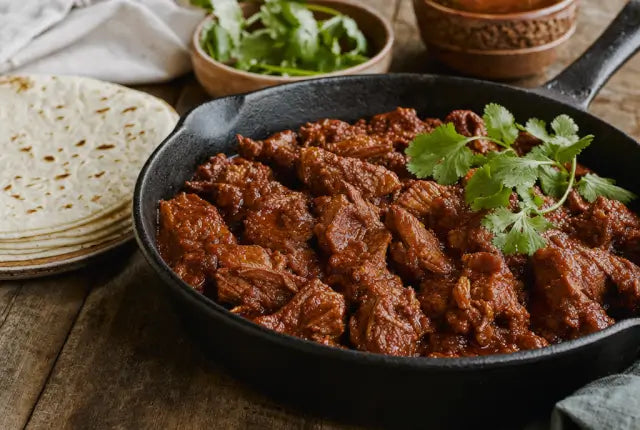
🔴 Red Chile
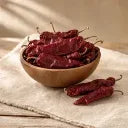
Preparation: Sun-dried, then rehydrated or ground into powder
Flavor: Earthy, sweet, complex with deeper warmth
Best on: Enchiladas, carne adovada, posole
Both are essential to New Mexican cuisine. And for generations, the question of which one is "better" has sparked friendly—and sometimes heated—debate at dinner tables across the state.
The Timeline: How a Question Became Law
High school student Helen Loera suggests to her history teacher—who also serves in the state legislature—that chile should be New Mexico's official state vegetable.
After political debate, both chile AND the pinto bean are adopted as official state vegetables—the first in the nation. But the law doesn't specify red or green chile.
Waitress Martha Rotunno at Tia Sophia's in Santa Fe coins the term "Christmas" for customers who can't choose between red and green.
A bill to make "Red or Green?" the official state question passes the legislature, but Governor Gary Johnson vetoes it as "a waste of time."
The legislature comes back with a House Joint Memorial declaring "Red or Green?" the official state question—the only one in America. In 1999 the question is written into the state-symbols statute.
"Red and green or Christmas" is adopted as the official state answer.
Governor Lujan Grisham signs a bill making "the scent of roasting green chile" the official state aroma.
1964: A High School Student Plants the Seed
The story of New Mexico's official state question begins not in the capitol building, but in a high school history class in 1964.
Helen Loera, a student at the time, was learning about state symbols from her history teacher, Arcenio A. Gonzales—who also happened to serve in the New Mexico State Legislature. The class had recently discussed the passage of a bill designating the black bear as New Mexico's official state animal, and Loera had an idea: Why not make the chile pepper the official state vegetable?
According to coverage in the Albuquerque Journal, Gonzales promised his student that if he was reelected to the legislature, he would pursue her suggestion. True to his word, after winning reelection, Gonzales introduced the bill in the 1965 legislative session.
What seemed like a simple symbolic gesture quickly became complicated.
1965: The Great Chile-Bean Compromise
Representative Gonzales, a Democrat, introduced his bill to make chile the official state vegetable. But his Republican colleague John Bigbee, who represented Torrance County—a major bean-growing region—couldn't let chile have all the glory.
The solution? A bipartisan compromise that any New Mexican would appreciate: both chile AND the pinto bean (commonly known as the frijol) would be adopted as the official state vegetables. New Mexico became the first state in the nation to designate official state vegetables, and fittingly, chose the two ingredients that appear together on virtually every plate of New Mexican food.
The law passed, but it left one crucial question unanswered: Which chile? Red or green?
For thirty years, this ambiguity simmered.
1995-1996: A Question Becomes THE Question
By the mid-1990s, lawmakers decided to address the red-vs-green ambiguity in the most New Mexican way possible: by embracing the debate itself.
In 1995, a bipartisan bill was introduced to establish "Red or Green?" as the official state question—acknowledging that the choice between red and green chile was such a fundamental part of New Mexican culture that it deserved official recognition.
Governor Gary Johnson wasn't convinced. He considered the bill a waste of legislative time and vetoed it.
But the legislature wasn't giving up. In 1996 it passed a House Joint Memorial declaring "Red or Green?" the official state question — a formal expression of legislative sentiment that didn't need the governor's signature. Three years later, in 1999, the question was written into the state-symbols statute:
"'Red or green?' is adopted as the official question of New Mexico."
The measure was passed, according to the New Mexico Secretary of State, "to signify the importance that the chile industry has on the economy of the state."
At the time, New Mexico was producing nearly 100,000 tons of chile annually, valued at $49 million—the state's number one cash crop.
The Birth of "Christmas": A Waitress Solves the Problem
But what if you can't decide? What if you want both?
Enter Martha Rotunno.
Rotunno was a waitress at Tia Sophia's, a beloved Santa Fe restaurant opened in 1975 by Jim and Ann Maryol. Day after day, she watched customers agonize over the red-or-green question, hemming and hawing while the kitchen waited.
As the Maryol family tells the story, Rotunno urged waffling customers to "have them both—it's Christmas!" The phrase stuck. Today, ordering "Christmas" style—half red, half green on the same plate—is standard practice at New Mexican restaurants across the state and beyond.
When Rotunno retired in 1996, then-Mayor Debbie Jaramillo attended her retirement party and declared September 5th "Martha Rotunno Day" in Santa Fe. Rotunno passed away in October 2024 at age 92, but her linguistic contribution lives on every time someone orders enchiladas "Christmas style."
2007: The Official State Answer
Martha Rotunno's invention proved so popular that eleven years after establishing the official state question, the New Mexico Legislature added an official state answer.
"'Red and green or Christmas' is adopted as the official answer of New Mexico."
New Mexico now has both an official question AND an official answer—the only state in America with either, let alone both.
Red vs. Green: The North-South Divide
There's an old saying in New Mexico: green is the chile of the south, red is the chile of the north. Like most sayings, it's a simplification, but there's truth to it.
Southern New Mexico
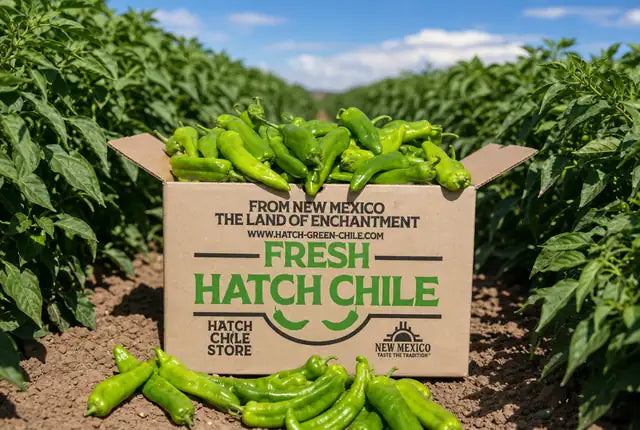
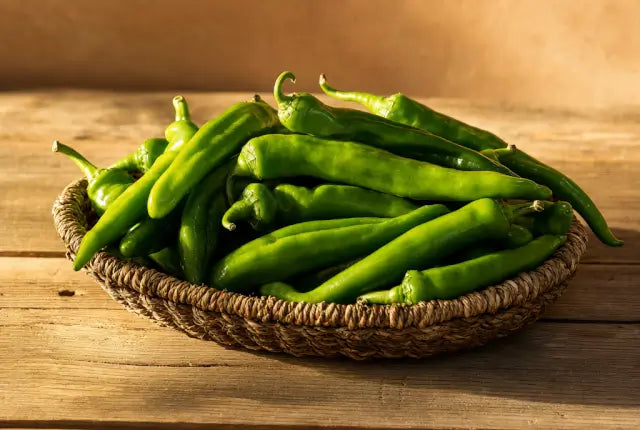
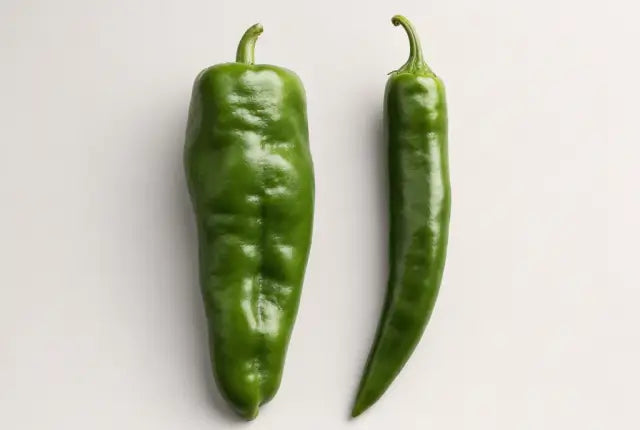
The Hatch Valley is famous for its green chile. Varieties like Big Jim, Sandia, and Lumbre are harvested green, roasted over open flame, peeled, and used fresh or frozen.
The combination of high altitude, warm days, cool nights, and rich volcanic soil along the Rio Grande creates growing conditions that produce distinctively flavored peppers found nowhere else on earth.
Northern New Mexico
The village of Chimayó near Santa Fe is renowned for its red chile. Chimayó chiles are landrace varieties whose seeds have been passed down through families for over 400 years.
They're sun-dried in the region's arid climate, then ground into powder or rehydrated to make deeply flavorful red sauces.
Our family grows both in the Hatch Valley. Green chile is picked all season, and some of our chile is left to ripen fully for our dried red chile pods and ristras. Because the truth is, you need both to cook authentic New Mexican food.
How to Answer "Red or Green?" Like a Local
If you're visiting New Mexico for the first time, here's how to navigate the state question like a native:
Bright, fresh, vegetal heat with a clean, sharp finish. Green chile has a more immediate flavor—smoky from roasting, with heat that hits fast and fades clean. Perfect on breakfast burritos, green chile cheeseburgers, and huevos rancheros.
Earthy, complex, deeper warmth. Red chile has been dried and rehydrated, concentrating its sugars and developing a richer, more complex flavor. Traditionally used for enchiladas, carne adovada, and posole.
Can't decide, or want both flavors! You'll get both sauces on your plate, usually half and half. This is the official state answer, and it's the right choice when you're torn.
Taste the Question: Three Enchilada Recipes
The best way to understand "Red or Green?" is to taste it. Here's the same New Mexican classic — enchiladas — done three ways, so you can answer the state question on your own plate:
🔴 Red
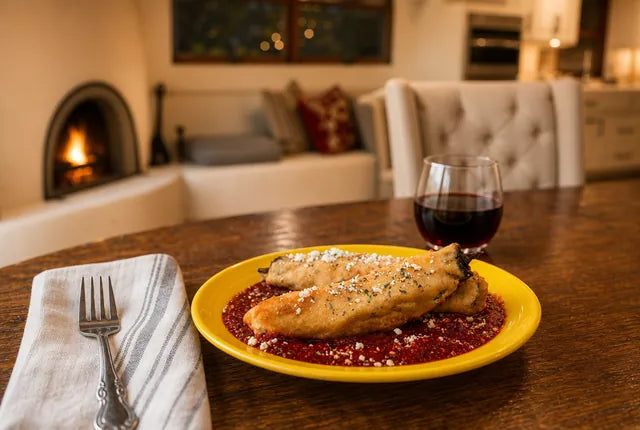
Earthy, sweet, deeply complex. Ground beef in a sauce built from dried Hatch red chile pods — the northern New Mexico tradition, served stacked or rolled.
🟢 Green
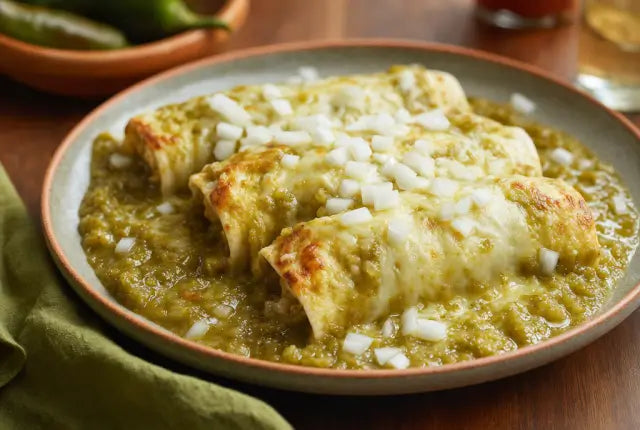
Bright, vegetal, smoky. Stacked New Mexico style with a creamy roasted Hatch green chile sauce — the southern New Mexico answer.
🎄 Christmas
Why choose? Red sauce down one side of the plate, green down the other — the official state answer, served exactly the way New Mexicans do.
The Question That Built an Identity
Why does a simple question about chile sauce matter so much to New Mexicans?
Chile is more than food here. It's heritage. It's economy. It's identity.
The chile pepper was introduced to what is now New Mexico over 400 years ago, likely by the expedition of Don Juan de Oñate in 1598. For centuries since, New Mexican families have grown, roasted, strung, and preserved chile using techniques passed down through generations. The distinct varieties grown in places like Chimayó and Hatch aren't just products—they're living links to centuries of agricultural tradition.
When someone asks "Red or green?" they're not just asking about sauce preference. They're inviting you into a conversation that's been happening at New Mexican tables for generations. Your answer says something about your taste, your regional loyalties, even your personality.
Answer the Question at Home
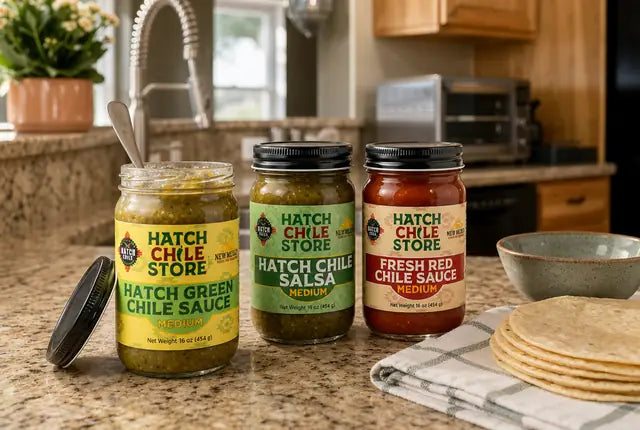
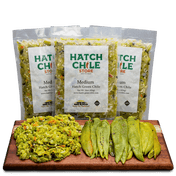
You don't have to visit New Mexico to face the state question. With authentic Hatch chile shipped directly from our family farm, you can answer "Red or Green?" in your own kitchen.
Not Sure Where to Start?
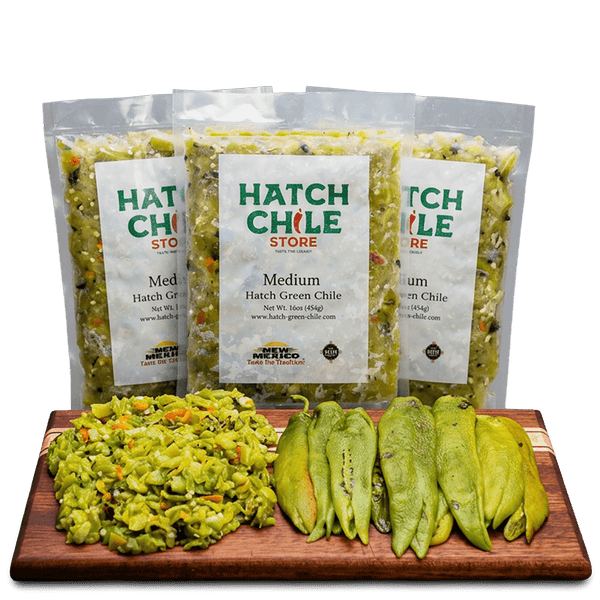
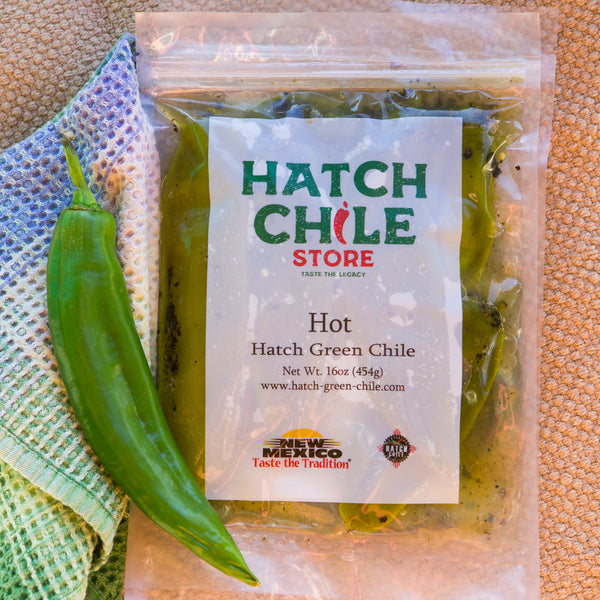
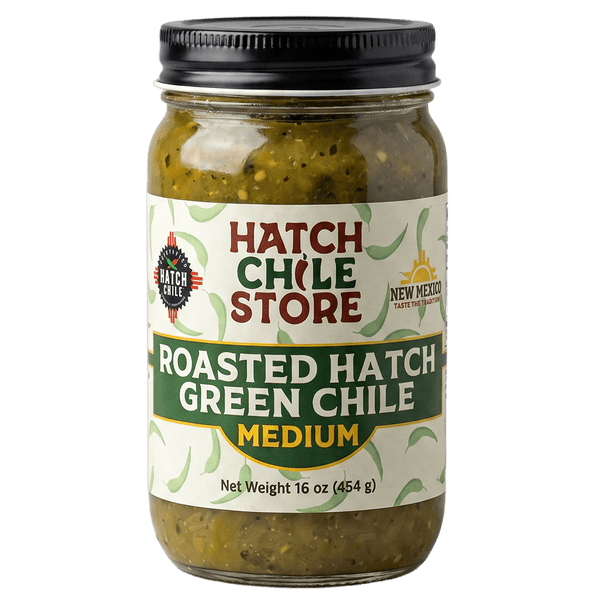
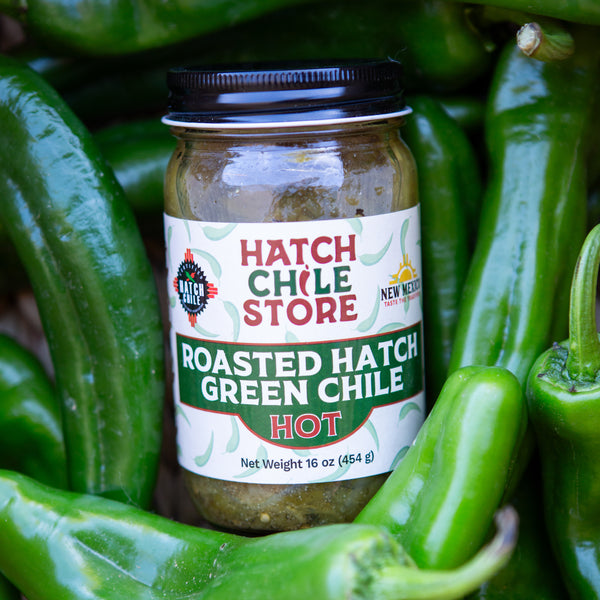
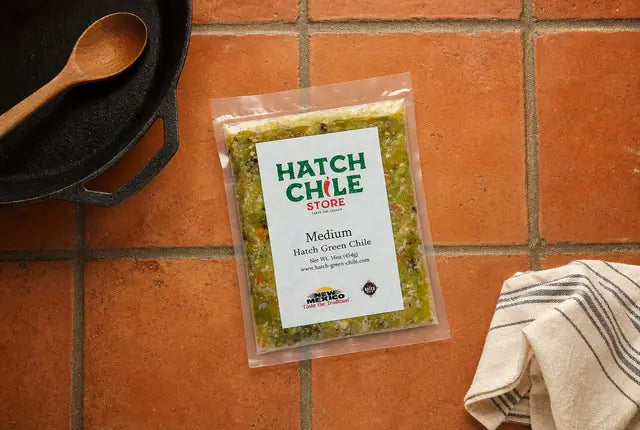
- For green chile lovers: Our Roasted Hatch Green Chile comes flame-roasted, partially peeled, and frozen in mild, medium, or hot.
- For red chile lovers: Our Dried Hatch Red Chile Pods are ideal for making authentic red enchilada sauce from scratch.
- For Christmas enthusiasts: Stock up on both! Our bestsellers collection has everything you need.
- For decoration and tradition: Our hand-tied Hatch Chile Ristras bring good luck—and can also be used to make red chile sauce.
Whether you're team red, team green, or diplomatically Christmas, one thing is certain: once you've tasted authentic Hatch chile, you'll understand why New Mexico made a question about it part of the state's official identity.
Our family has been growing chile in the Hatch Valley for five generations. We're descendants of Joseph Franzoy, credited as the first commercial chile farmer in Hatch, New Mexico. Shop our full selection of authentic Hatch chile products and bring the official state question to your own kitchen.
📚 Sources & Further Reading
- New Mexico Secretary of State: State Question
- New Mexico Statutes, Section 12-3-4
- Smithsonian Magazine: "The Contentious History of Official State Foods"
- Santa Fe New Mexican: Martha Rotunno obituary
- Santa Fe New Mexican: 1965 Chile-Bean Compromise
- Smithsonian Folklife Festival: "Red or Green?"
- New Mexico Magazine: Nick Maryol of Tia Sophia's
- CBS News: "A New Mexico Christmas: Red and Green Chiles"