


Dried Chile Pods 101: Guajillo, Ancho, and New Mexico Varieties
Share
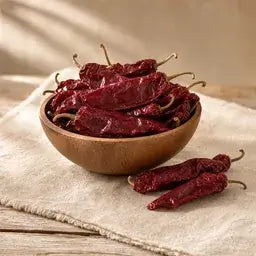
Dried chile pods are whole chiles that have been dehydrated to preserve their flavor and extend shelf life, transforming from fresh peppers into concentrated flavor powerhouses. The three most essential varieties for any chile enthusiast are guajillo pods with their sweet-heat balance, ancho pods offering rich smokiness, and New Mexico chile pods providing authentic Southwestern flavor. Each dried chile pod variety brings distinct characteristics to your cooking, from mild warmth to intense heat levels.
Our family has been growing chiles in New Mexico's high desert for five generations, and we've learned that understanding these fundamental dried chile varieties opens up endless culinary possibilities. Whether you're making traditional New Mexican red chile sauce or exploring Mexican cuisine, mastering these three types will elevate your cooking significantly.
Understanding Dried Chile Pod Basics
Dried chile pods represent the concentrated essence of fresh chiles, with moisture removed through natural sun-drying or controlled dehydration processes. According to the NMSU Chile Pepper Institute, properly dried chiles retain their nutritional value while developing deeper, more complex flavors than their fresh counterparts.
The drying process concentrates capsaicin, the compound responsible for heat, while also creating new flavor compounds through the Maillard reaction. USDA FoodData Central reports that dried chiles contain higher concentrations of vitamin A and capsaicin per gram compared to fresh varieties.
Heat Levels and Scoville Scale
Understanding heat levels helps you select the right chile for your dish:
- Ancho: 1,000-1,500 Scoville Heat Units (mild)
- Guajillo: 2,500-5,000 SHU (mild to moderate)
- New Mexico Red: 1,000-8,000 SHU (varies by variety)
Guajillo Chile Pods: The Sweet Heat Champion
Guajillo chiles, pronounced "gwah-HEE-yo," are dried mirasol chiles prized for their balanced sweet-heat profile and deep red color. The Chile Pepper Institute at New Mexico State University identifies guajillo as one of the most important chile varieties in Mexican cuisine.
Flavor Profile and Characteristics
Guajillo pods offer a complex flavor combining:
- Sweet, fruity notes with hints of cranberry
- Mild to moderate heat (2,500-5,000 SHU)
- Smooth, leathery skin
- Deep burgundy to dark red color
- Tannic finish similar to red wine
Best Uses for Guajillo Chiles
Guajillo pods excel in:
- Traditional Mexican moles and sauces
- Marinades for pork and beef
- Pozole and menudo
- Chile paste for tamales
- Salsa roja
Ancho Chile Pods: Rich and Smoky Depth
Ancho chiles are dried poblano peppers, offering the mildest heat among our three varieties while delivering exceptional depth and complexity. Research from the University of California Davis confirms that ancho chiles contain high levels of antioxidants, particularly when properly dried and stored.
Distinctive Ancho Characteristics
| Attribute | Description |
|---|---|
| Heat Level | 1,000-1,500 SHU (mild) |
| Flavor | Sweet, smoky, chocolatey |
| Color | Dark reddish-brown to mahogany |
| Texture | Wrinkled, heart-shaped |
| Size | 3-4 inches long, 2-3 inches wide |
Culinary Applications for Ancho Pods
Ancho chiles shine in:
- Complex mole negro and mole poblano
- Chocolate-based dessert sauces
- Braising liquids for short ribs
- Enchilada sauce
- Dry rubs for barbecue
New Mexico Chile Pods: Authentic Southwestern Heritage
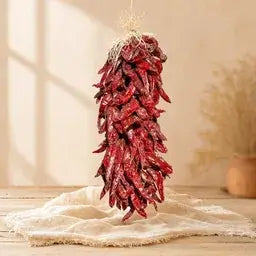
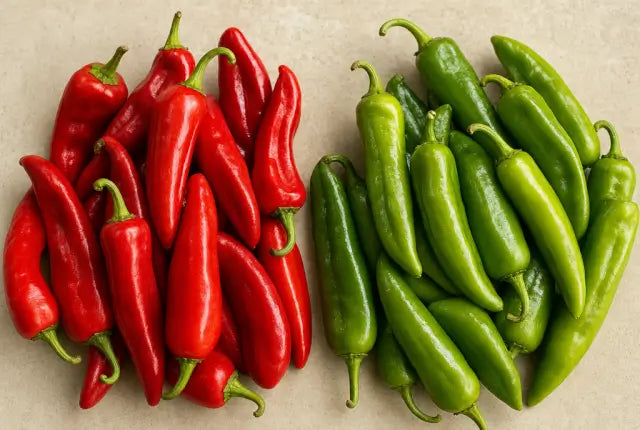
New Mexico chile pods represent the heart of Southwestern cuisine, grown exclusively in the high desert climate of the Land of Enchantment. Our Hatch dried red chile pods come from the famous Hatch Valley, where unique soil conditions and elevation create chiles with distinctive terroir.
The New Mexico Department of Agriculture recognizes several official varieties, including Big Jim, Sandia, and Española, each offering different heat levels and flavor profiles.
New Mexico Chile Varieties and Heat Levels
New Mexico chiles are classified by heat intensity:
- Mild: 1,000-2,500 SHU - Sweet, earthy flavor
- Medium: 2,500-5,000 SHU - Balanced heat and flavor
- Hot: 5,000-8,000+ SHU - Intense heat with complex undertones
Traditional New Mexico Applications
New Mexico chile pods are essential for:
- Red chile sauce (the state's signature dish)
- Chile colorado
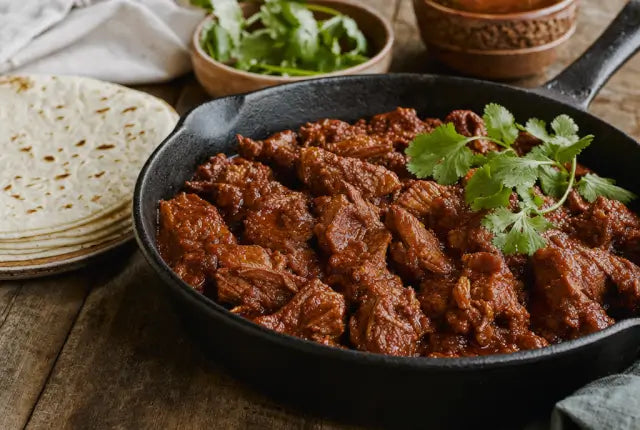
- Carne adovada
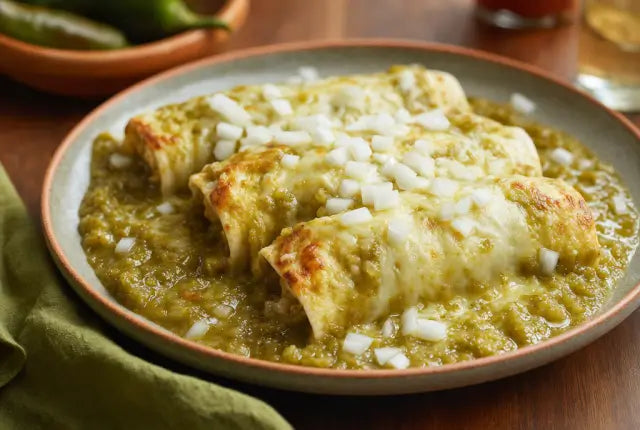
- Red chile enchiladas
- Sopaipillas with chile honey
Preparation Techniques for Dried Chile Pods
Proper preparation unlocks the full potential of dried chile pods. The NMSU Cooperative Extension Service recommends specific techniques for optimal flavor extraction.
Basic Preparation Steps
- Inspect and Clean: Remove stems and check for any damaged pods
- Remove Seeds (Optional): For milder heat, slit pods and remove seeds
- Toast Lightly: Heat dry skillet over medium heat, toast pods 30-60 seconds per side
- Rehydrate: Soak in hot water, broth, or wine for 15-30 minutes
- Blend or Puree: Process rehydrated chiles with soaking liquid
Pro Tips from Five Generations of Chile Growing
Our family's experience has taught us these essential techniques:
- Don't over-toast - burnt chiles become bitter
- Save the soaking liquid for added flavor in sauces
- Strain purees for silky smooth sauces
- Add salt to soaking water to enhance rehydration
- Freeze pureed chile in ice cube trays for convenient portions
Storage and Shelf Life
Proper storage extends the life and maintains the quality of your chile pods. Research from the Institute of Food Technologists shows that dried chiles maintain peak flavor for 12-18 months when stored correctly.
Optimal Storage Conditions
- Cool, dark location (below 70°F)
- Airtight containers or vacuum-sealed bags
- Low humidity environment
- Away from direct sunlight
- Protection from insects
Creating Signature Blends and Powders
Combining different dried chile varieties creates complex flavor profiles. Many customers browse dried chile pods specifically to create custom blends for their favorite recipes.
You can also grind your own red chile powder from whole pods for maximum freshness and flavor control.
Popular Blend Combinations
- Mole Blend: 2 parts ancho, 1 part guajillo, 1 part New Mexico
- Mild Sauce Blend: 3 parts ancho, 1 part mild New Mexico
- Hot Sauce Blend: 2 parts hot New Mexico, 1 part guajillo
- Barbecue Rub: Equal parts ancho and mild New Mexico
Regional Cooking Applications
Each chile variety connects to specific regional cuisines and traditional preparations. Understanding these connections helps you choose the right chile for authentic flavors.
Our red chile products represent generations of New Mexican culinary tradition, perfected through decades of family farming in the Hatch Valley.
Mexican Cuisine Applications
- Guajillo: Essential for pozole, birria, and salsa roja
- Ancho: Foundation of mole poblano and chocolate-based sauces
- Combination: Used together in complex mole negro
Southwestern American Dishes
- New Mexico: Red chile sauce, carne adovada, enchiladas
- Ancho-New Mexico Blend: Chile con carne, tamale filling
Frequently Asked Questions
How long do dried chile pods last when stored properly?
Properly stored dried chile pods maintain peak quality for 12-18 months. Store them in airtight containers in a cool, dark place away from moisture and direct sunlight. While they won't spoil after this time, their flavor intensity will gradually diminish.
Can I substitute one type of dried chile pod for another in recipes?
While you can substitute dried chile varieties, each brings unique flavors and heat levels. Ancho chiles offer sweetness and mild heat, guajillo provides fruity notes with moderate heat, and New Mexico chiles deliver earthy, authentic Southwestern flavor. Adjust quantities based on heat preferences and expect flavor profile changes.
Do I need to remove seeds from dried chile pods before using them?
Removing seeds is optional and depends on your heat preference. Seeds and internal membranes contain the highest concentration of capsaicin. Keep seeds for more heat, remove them for milder dishes. Some cooks save removed seeds to add controlled heat to other recipes.
What's the difference between New Mexico chiles and California chiles?
New Mexico chiles are grown exclusively in New Mexico's high desert climate, particularly the Hatch Valley, giving them distinctive terroir with complex, earthy flavors. California chiles, while similar in appearance, are typically milder and lack the depth of flavor that comes from New Mexico's unique growing conditions and soil composition.
How do I know if my dried chile pods have gone bad?
Fresh, quality dried chile pods should be pliable with vibrant color and aromatic scent. Signs of deterioration include brittleness that causes crumbling, faded color, musty odors, or visible mold. Properly dried pods from reputable sources like our family farm maintain quality much longer than mass-produced alternatives.