








The History of Chile Cultivation in New Mexico: 400 Years of Tradition
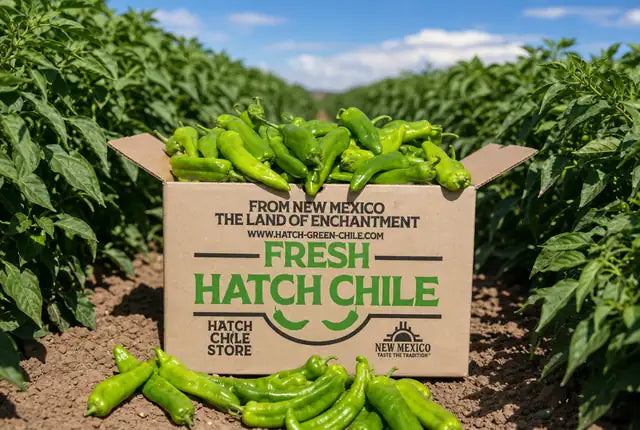
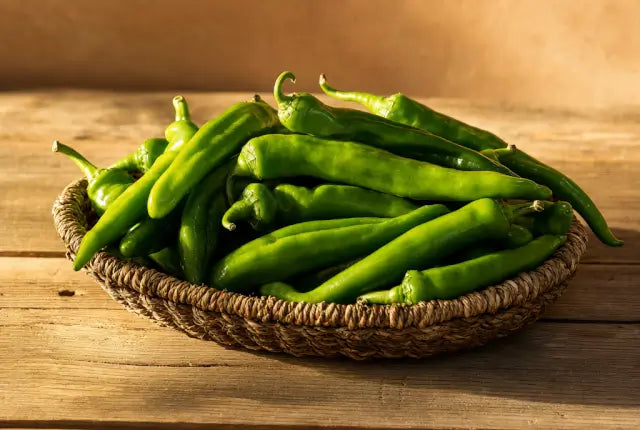
Chile cultivation in New Mexico spans over 400 years, beginning when Spanish colonists introduced Capsicum annuum seeds to the region in the late 1500s. What started as a necessity for early settlers has evolved into the state's signature crop, with New Mexico now producing over 60,000 tons of chile annually according to the USDA National Agricultural Statistics Service. The Hatch Valley, located along the Rio Grande in southern New Mexico, has become the epicenter of this agricultural tradition, producing the world-renowned Hatch green chile that defines our state's culinary identity.
Spanish Colonial Origins (1598-1821)
The story of New Mexico chile begins with Spanish explorer Juan de Oñate, who established the first permanent European settlement in the region in 1598. According to the New Mexico State University Chile Pepper Institute, Oñate's colonists brought chile seeds from Mexico, where indigenous peoples had been cultivating capsicum peppers for thousands of years.
These early Spanish varieties were likely similar to what we now know as cayenne peppers. The settlers planted them in the fertile river valleys, particularly along the Rio Grande, where the combination of hot days, cool nights, and mineral-rich soil created ideal growing conditions. Dr. Paul Bosland, former director of the Chile Pepper Institute at NMSU, notes in his research that these environmental factors began shaping the unique characteristics of New Mexico chile from the very beginning.
Adaptation and Early Varieties
During the colonial period, chile cultivation spread throughout the Rio Grande valley. Farmers saved seeds from the best plants each year, gradually developing varieties better suited to New Mexico's high desert climate. The NMSU Chile Pepper Institute archives document that by 1700, New Mexico chile had already begun developing its distinctive flavor profile—earthier and more complex than its Mexican ancestors.
Mexican Period and Territorial Years (1821-1912)
When Mexico gained independence from Spain in 1821, New Mexico chile cultivation continued to flourish. The opening of the Santa Fe Trail brought increased trade, and chile became one of the region's first export crops. Wagon trains carried dried red chile pods eastward, introducing the rest of America to New Mexico's distinctive peppers.
Development of Regional Varieties
During this period, different communities began developing their own chile strains through selective breeding. The geographic isolation of various settlements along the Rio Grande led to the emergence of distinct regional varieties:
- Chimayo chile - Developed in the high mountain valley of Chimayo
- Española varieties - Cultivated in the northern Rio Grande valley
- Hatch Valley strains - Emerging in what would become the heart of chile country
According to research published by the USDA Agricultural Research Service, these regional adaptations were crucial in developing the heat tolerance and flavor characteristics that distinguish New Mexico chile today.
Statehood and Scientific Agriculture (1912-1950)
New Mexico's statehood in 1912 coincided with the beginning of scientific agriculture in the region. The establishment of New Mexico State University (then New Mexico College of Agriculture and Mechanic Arts) brought systematic research to chile cultivation for the first time.
Fabian Garcia's Pioneering Work
The most significant figure in modern New Mexico chile history is Dr. Fabian Garcia, who began his groundbreaking research at NMSU in 1913. Garcia, often called the "father of the New Mexico chile industry," was the first to apply scientific breeding methods to chile peppers in the state.
Garcia's work, documented in NMSU's archives, focused on developing varieties with consistent pod size, shape, and heat levels. His research led to the release of 'New Mexico No. 9' in 1921, the first scientifically developed chile variety in the state. This cultivar became the foundation for many modern New Mexico chile varieties.
The Rise of the Hatch Valley
During the early 20th century, the Hatch Valley emerged as the premier chile-growing region in New Mexico. The area's unique combination of factors made it ideal for large-scale chile production:
| Factor | Benefit for Chile Cultivation |
|---|---|
| Elevation (3,800-4,200 feet) | Ideal temperature differential between day and night |
| Rio Grande valley soil | Rich alluvial deposits with excellent drainage |
| Climate | Hot, dry summers with minimal rainfall during harvest |
| Water rights | Established irrigation systems from the Rio Grande |
Modern Chile Industry Development (1950-Present)
The post-World War II era marked the transformation of chile cultivation from a primarily subsistence crop to a major commercial industry. Mechanization, improved varieties, and expanded markets drove this growth.
Roy Nakayama's Revolutionary Varieties
Dr. Roy Nakayama continued Garcia's work at NMSU, developing varieties that would define modern New Mexico chile. His most famous creation, 'New Mexico 6-4', released in 1957, became the standard for Hatch green chile. According to the Chile Pepper Institute, Nakayama's varieties were specifically bred for:
- Uniform pod size suitable for mechanical harvesting
- Consistent heat levels for commercial processing
- Thick walls that roast well
- Good yields under irrigation
The Hatch Chile Festival Era
The establishment of the Hatch Chile Festival in 1972 marked a turning point in marketing New Mexico chile. What began as a small local celebration has grown into a major agricultural tourism event, attracting over 30,000 visitors annually according to the Hatch Valley Chamber of Commerce.
Family farms like ours are part of that story. Our family's five-generation history in the Hatch Valley began in 1917, when our great-great-grandfather started farming here.
Contemporary Chile Varieties and Cultivation
Today's New Mexico chile industry builds on four centuries of agricultural evolution. The NMSU Chile Pepper Institute continues developing new varieties while preserving heirloom strains that connect us to our agricultural heritage.
Major Commercial Varieties
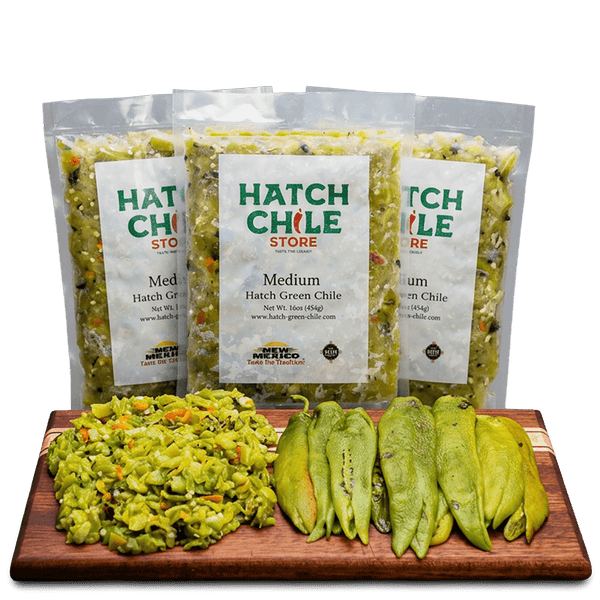
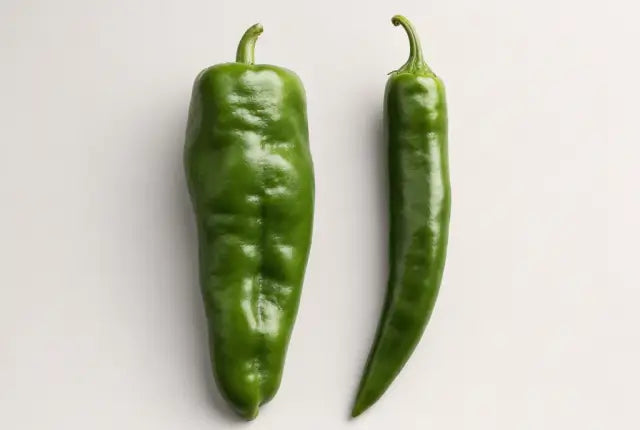
Modern [Hatch green chile](https://www.hatch-green-chile.com/collections/green-chile) production centers on several key varieties developed through decades of research:
- NuMex Joe E. Parker - Mild heat, excellent for roasting
- NuMex Big Jim - Large pods, medium heat, Guinness World Record holder
- NuMex Sandia - Hot variety perfect for [red chile products](https://www.hatch-green-chile.com/collections/hatch-red-chile)
- NuMex Heritage 6-4 - Mild variety, modern version of Nakayama's classic variety
Sustainable Farming Practices
Modern chile cultivation in the Hatch Valley incorporates sustainable practices that protect the environment while maintaining productivity. Research from NMSU's Sustainable Agriculture Science Center shows that integrated pest management, efficient irrigation systems, and soil conservation techniques are essential for the industry's future.
You can learn more about our family farm.
Economic Impact and Cultural Significance
According to the New Mexico Department of Agriculture, the chile industry contributes over $50 million annually to the state's economy. Beyond economic impact, chile cultivation represents the heart of New Mexico's cultural identity, influencing everything from cuisine to art to state symbols.
Recognition and Protection
In 1965, the New Mexico Legislature designated chile as the official state vegetable. More recently, "Hatch Chile" received geographic designation protection, ensuring that only chile grown in the specified Hatch Valley region can carry this prestigious name.
The Future of New Mexico Chile
As we look toward the future, New Mexico chile cultivation faces both challenges and opportunities. Climate change, water availability, and market competition require innovative solutions while preserving traditional methods that have sustained this industry for four centuries.
Research at NMSU continues developing drought-resistant varieties and sustainable farming techniques. Meanwhile, growing national and international recognition of Hatch chile's unique qualities creates new market opportunities for family farms like ours.
Frequently Asked Questions
When did chile cultivation begin in New Mexico?
Chile cultivation in New Mexico began in 1598 when Spanish colonists led by Juan de Oñate introduced capsicum pepper seeds from Mexico. These early varieties adapted to New Mexico's unique climate and soil conditions over the following centuries.
What makes Hatch Valley chile different from other peppers?
Hatch Valley chile develops its distinctive flavor from the region's unique combination of high desert climate, mineral-rich Rio Grande valley soil, and significant temperature variations between day and night. These environmental factors, combined with over 400 years of selective breeding, create chile with complex, earthy flavors found nowhere else.
Who was Fabian Garcia and why is he important to New Mexico chile?
Dr. Fabian Garcia was a researcher at New Mexico State University who began the first scientific chile breeding program in 1913. Known as the "father of the New Mexico chile industry," Garcia developed 'New Mexico No. 9' in 1921, the first scientifically bred chile variety that became the foundation for modern New Mexico chile cultivation.
How has chile cultivation changed over the past 400 years?
Chile cultivation evolved from small subsistence plots using heirloom varieties to large-scale commercial operations with scientifically developed cultivars. Key changes include mechanized harvesting, drip irrigation systems, integrated pest management, and varieties bred for specific characteristics like uniform size, consistent heat levels, and improved yields.
What is the economic importance of chile to New Mexico today?
According to the New Mexico Department of Agriculture, the chile industry contributes over $50 million annually to the state's economy. New Mexico produces approximately 60,000 tons of chile per year according to USDA statistics, with the Hatch Valley being the premier growing region.