Understanding the Scoville Scale: Where Hatch Chile Falls

Hatch chile spans a much wider Scoville range than most reference sites admit. Across the varieties we grow on our family farm in the Hatch Valley, individual cultivars run from approximately 900 SHU (NuMex Joe E. Parker) up past 12,000 SHU (NuMex Lumbre), with our most popular Big Jim sitting around 6,500 SHU and our Sandia Select around 9,500 SHU. These values come from NMSU Circular CR706, the New Mexico State University Chile Pepper Institute's authoritative summary of every chile cultivar released from the program between 1913 and 2022.

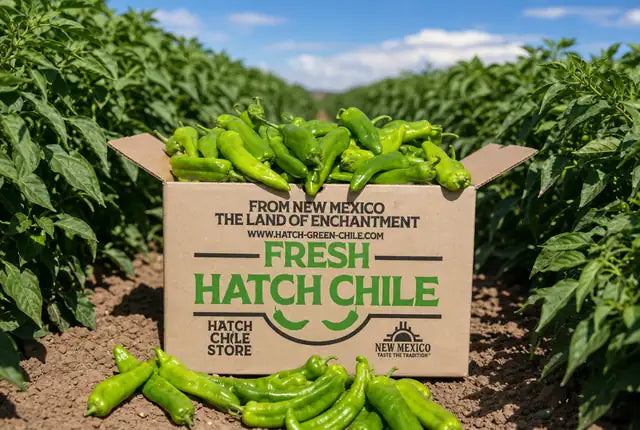
Our family has been growing chile in the Hatch Valley for five generations, and we've watched countless customers discover the right variety for their palate. Hatch chile is not a single heat level — it's a family of cultivars covering four distinct tiers. Understanding where each one falls on the Scoville scale helps you choose well for your kitchen.

What Is the Scoville Scale?

The Scoville scale, developed by American pharmacist Wilbur Scoville in 1912, measures the concentration of capsaicin — the compound responsible for a pepper's heat. The original "Scoville Organoleptic Test" relied on human taste testers diluting pepper extracts until the heat was no longer detectable.

Today, scientists use High-Performance Liquid Chromatography (HPLC) to measure capsaicin concentration directly, then convert the result to Scoville Heat Units. NMSU's Chile Pepper Institute uses this method to establish the cultivar means published in CR706 and in the individual HortScience release papers we cite throughout this guide.

How Scoville Heat Units Work

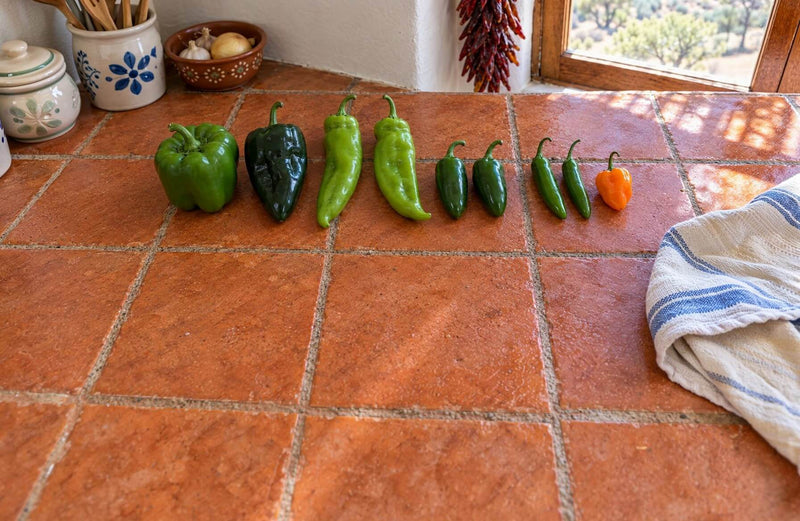
The scale ranges from 0 SHU (bell peppers) to over 3 million SHU (pure capsaicin). Here's how common peppers compare, using values from NMSU's Chile Pepper Institute:

  • 0 SHU: Bell pepper
  • 500–2,500 SHU: Anaheim (California-grown); NM-grown Anaheim often runs 1,000–3,500 SHU because dryland stress pushes capsaicin higher
  • 2,500–8,000 SHU: Jalapeño
  • 10,000–23,000 SHU: Serrano
  • 30,000–50,000 SHU: Cayenne
  • 100,000–350,000 SHU: Habanero

Heat varies plant-to-plant and year-to-year. The SHU values we cite are cultivar means; individual pods range above and below.

Hatch Chile Varieties and Their Scoville Ratings

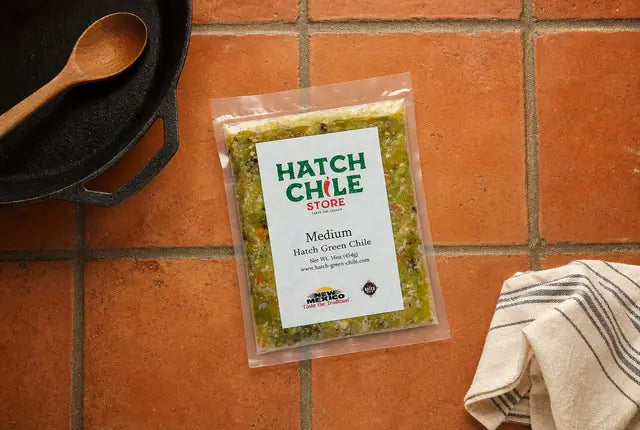
We sort the chile we grow into four tiers: Mild (0–2,000 SHU), Medium (2,000–7,000 SHU), Hot (7,000–11,000 SHU), and X-Hot (11,000+ SHU). The cultivars listed below are the ones we actually grow and ship.

Mild Hatch Chile (0–2,000 SHU)

Our mild Hatch green chile tier is built around NuMex Joe E. Parker (~900 SHU per NMSU CR706; HortScience originally reported 811 ± 77 in 1990) and the related NuMex 6-4 family. Other Mild varieties we grow include NuMex Heritage 6-4 (~1,500 SHU, per HortScience 47(5):675–676, 2012), NuMex 1904 (1,000–1,500 SHU, breeder/farm trade), Giuzeppi (1,000–1,500 SHU, Sandia Seed Co. — not an NMSU release), and NuMex R-Naky (~350 SHU, NMSU's 1985 release).

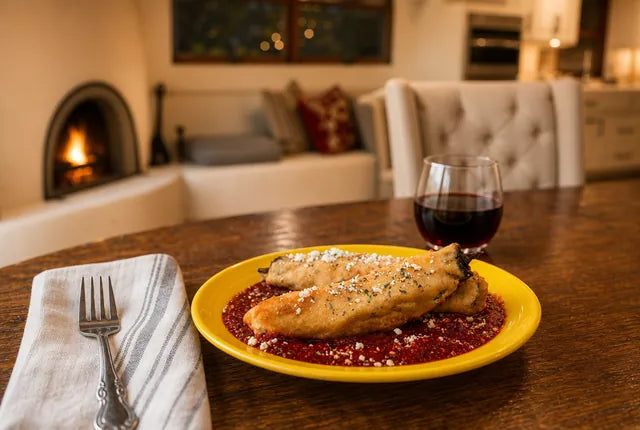
These pods deliver signature Hatch flavor — earthy, slightly sweet, subtly smoky — with very little burn. Ideal for chile rellenos, breakfast burritos, green chile stew for kids, and anyone new to chile.

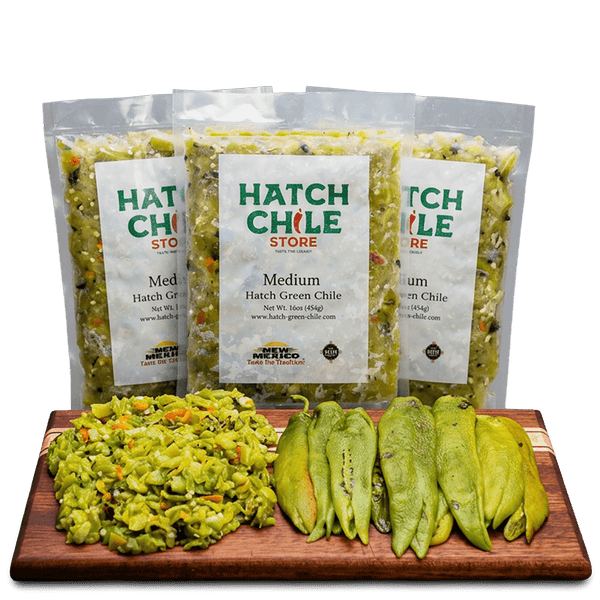
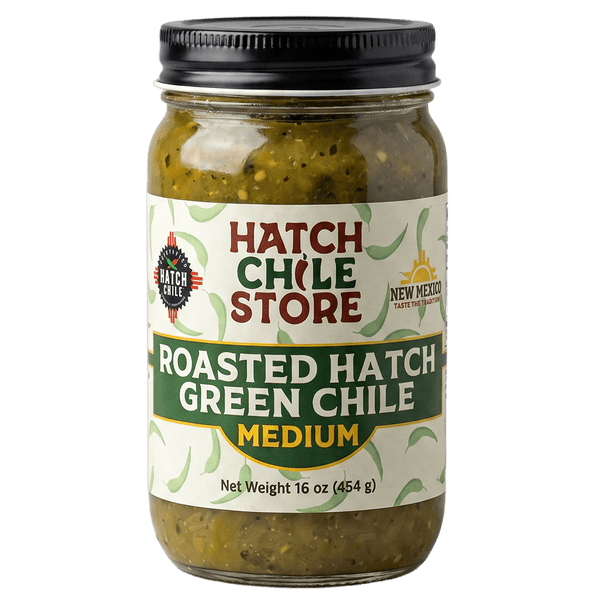
Medium Hatch Chile (2,000–7,000 SHU)

The Medium tier is anchored by NuMex Big Jim, our largest and most popular pod. NMSU CR706 (Nakayama and Lytle, 1975) lists Big Jim at approximately 6,500 SHU, which is the figure we cite. In practice, heat varies plant-to-plant and we find our Big Jim often runs a touch milder than the cultivar mean. Charger also lives in this tier (500–3,500 SHU, variable; no NMSU paper). NM-grown Anaheim typically belongs here as well.

At approximately 6,500 SHU, Big Jim sits roughly in jalapeño territory — about the same heat as a jalapeño. Thick-walled and meaty, it's the all-purpose Hatch chile for everyday cooking.

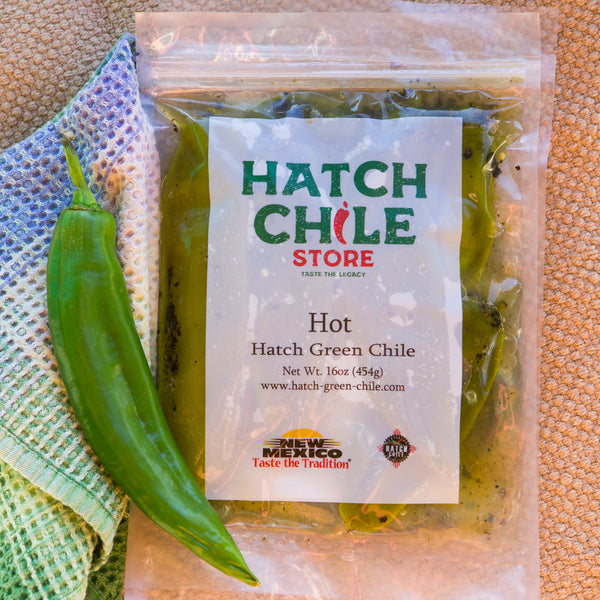
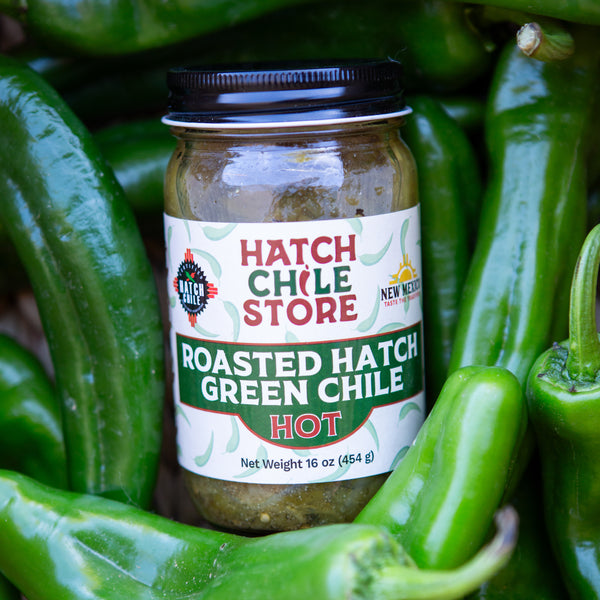
Hot Hatch Chile (7,000–11,000 SHU)

Our hot Hatch green chile is NuMex Sandia Select — approximately 9,500 SHU per NMSU CR706 and the 2014 HortScience release (49(5):667–668, Bosland and Coon). Sandia Select is the improved cultivar we grow today; the original Sandia ("Sandia A," Harper 1956) measured around 6,500 SHU and is not in our current product line. Anytime we say "Sandia" on this site, we mean Sandia Select — with one exception noted in the FAQ below.

NuMex Heritage Big Jim also lives in the Hot tier at approximately 9,500 SHU (HortScience 48(5):657–658, 2013, Bosland and Coon — about 45% hotter than the original Big Jim). NuMex Miss Junie (~9,000–10,000 SHU per Sandia Seed Co.; not an NMSU release) rounds out the tier.

X-Hot Hatch Chile (11,000+ SHU)

For heat seekers, our extra hot green chile is NuMex Lumbre at 12,000+ SHU. Lumbre runs 12,000+ in our field experience and varies year to year. (Seed-catalog references cite lower numbers; we go with what our pods actually test.) Barker also sits in this tier at approximately 10,000–20,000 SHU, with the low end overlapping the Hot tier.

Lumbre is significantly hotter than a jalapeño but nowhere near habanero territory — a habanero is roughly 10× hotter than Lumbre. Use these sparingly to spike sauces, salsas, and marinades where you want real heat with full Hatch character.

Hatch Chile Scoville Comparison Table

Heat Tier Scoville Range (SHU) HCS Varieties Flavor Profile
Mild 0–2,000 NuMex Joe E. Parker, NuMex 6-4, NuMex Heritage 6-4, NuMex 1904, Giuzeppi, NuMex R-Naky Sweet, earthy, very gentle warmth
Medium 2,000–7,000 NuMex Big Jim (~6,500), Charger Approachable jalapeño-level heat, thick-walled, all-purpose
Hot 7,000–11,000 NuMex Sandia Select (~9,500), NuMex Heritage Big Jim (~9,500), NuMex Miss Junie True heat with full Hatch flavor
X-Hot 11,000+ NuMex Lumbre (12,000+), Barker (~10,000–20,000) Significantly hotter than jalapeño; well short of habanero

Factors That Influence Hatch Chile Heat Levels

Even within a single cultivar, Scoville readings vary pod to pod. Several environmental and genetic factors are at work.

Growing Conditions in the Hatch Valley

Stress conditions during the growing season increase capsaicin production. In the Hatch Valley, the contributors are:

  • High elevation (approximately 4,000 feet above sea level)
  • Intense desert sun exposure
  • Large day-to-night temperature swings
  • Limited water availability at key growth periods
  • Unique mineral content in the valley soil

These conditions are why the same cultivar grown in the Hatch Valley typically tests hotter than the same cultivar grown elsewhere.

Harvest Timing and Maturity

Capsaicin concentration increases as a pepper matures. Green chile harvested earlier in the season registers lower on the scale than the same variety left to ripen further. Red chile from the same plant typically measures 25–50% higher than green chile picked from it earlier in the season.

Processing and Preparation

How you handle the chile affects perceived heat:

  • Roasting concentrates flavor compounds and can intensify heat perception
  • Removing seeds and ribs reduces overall SHU per serving (the placenta carries most of the capsaicin)
  • Freezing and thawing breaks down cell walls, releasing more capsaicin
  • Dehydration concentrates capsaicin per unit weight, so dried pods test hotter than fresh

Choosing the Right Hatch Chile Heat Level

Use these guidelines, and see our heat level guide for a one-page reference.

For New Chile Enthusiasts

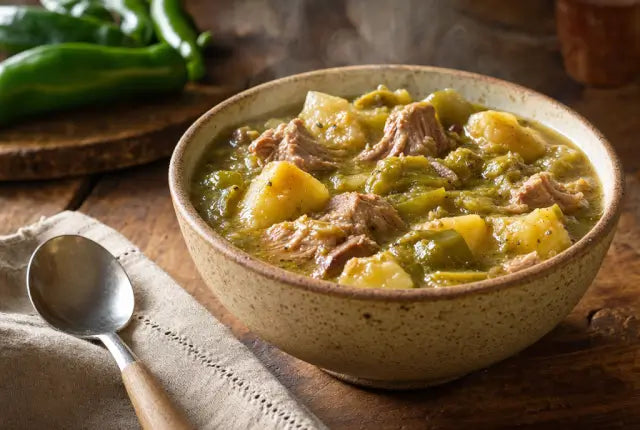
Start with Mild (0–2,000 SHU) to taste Hatch flavor without much burn. Joe Parker and 6-4 cultivars are the gateway. Excellent for rellenos, breakfast burritos, and family-friendly green chile stew.

For Everyday Cooking

Medium (2,000–7,000 SHU) — Big Jim — is the all-purpose pick. Roughly jalapeño-level heat with full Hatch flavor and meaty walls that hold up to roasting, stuffing, and slow-cooking.

For Real Heat with Complex Flavor

Hot (7,000–11,000 SHU), Sandia Select, is the classic chile-head choice — assertive heat that still lets the flavor through. Use in salsas, sauces, and anywhere you want the chile to lead.

For Heat Seekers

X-Hot (11,000+ SHU), Lumbre, delivers serious heat while preserving Hatch character. Use sparingly in hot sauces, spicy marinades, and dishes where you want maximum impact.

Frequently Asked Questions

How hot is mild Hatch chile compared to jalapeño?

Mild Hatch chile measures 0–2,000 SHU; NuMex Joe E. Parker, the most common Mild cultivar, comes in around 900 SHU per NMSU CR706. A jalapeño typically measures 2,500–8,000 SHU. So Mild Hatch is meaningfully milder than a jalapeño, while our Medium tier (Big Jim, ~6,500 SHU) overlaps jalapeño heat directly.

Why do Scoville ratings vary between different Hatch chile harvests?

Heat varies plant-to-plant and year-to-year. The values we publish are cultivar means from NMSU's Chile Pepper Institute (CR706); individual pods range above and below. Weather, irrigation, harvest timing, and soil conditions all shift capsaicin production from season to season, so even the same variety can show real heat differences between years.

Is Sandia hotter than Big Jim?

Yes, but the gap is smaller than commonly claimed. We grow NuMex Sandia Select (~9,500 SHU per NMSU CR706), which is about 1.5× Big Jim's ~6,500 SHU — not 2× or 4× as some sources state. The original Sandia ("Sandia A," Harper 1956) was actually about the same heat as Big Jim, roughly 6,500 SHU. Sandia Select, released in 2014, is the improved cultivar we ship as our Hot variety. The one exception: our Traditional Sandia ristras are sun-dried from the original heirloom Sandia (~6,500 SHU), so the heritage variety is correct in the ristra context.

How hot is Lumbre compared to habanero?

Lumbre runs 12,000+ SHU and varies year to year. Habanero typically measures 100,000–350,000 SHU. So Lumbre is significantly hotter than a jalapeño but well short of habanero territory — a habanero is roughly 10× hotter than Lumbre. The closest common reference for Lumbre's heat is "noticeably hotter than a jalapeño."

Can you reduce the heat level of hot Hatch chile?

Yes. Removing the seeds and white ribs (the placenta) significantly reduces heat, because that's where most of the capsaicin lives. Dairy, rice, and bread help neutralize capsaicin's effect on the palate while you eat. Roasting and peeling does not meaningfully change SHU.

Do red Hatch chiles have different Scoville ratings than green ones?

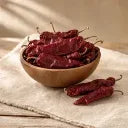
Red chile is the same cultivar left on the plant to fully ripen. Capsaicin continues to accumulate as the pod ripens, so red chile from a given plant typically measures 25–50% higher than green chile picked from it earlier in the season.

How accurate are published Scoville ratings for individual peppers?

Published ratings represent cultivar means under typical growing conditions. Individual pods can fall well above or below — Big Jim's ~6,500 SHU is an average; some pods test lower, others higher. We cite NMSU CR706 values throughout this guide and hedge with "approximately" because per-pod variation is real.

The Canonical Reference

This article is the long-form source of truth for every Scoville claim on our site. For a one-page summary of the four heat tiers with the varieties in each, visit our heat level guide. Primary research source throughout: NMSU Circular CR706 — Chile Cultivars of New Mexico State University, 1913–2022.

Back to blog