






What Makes a Chile Pepper Hot: Genetics, Climate, and Stress
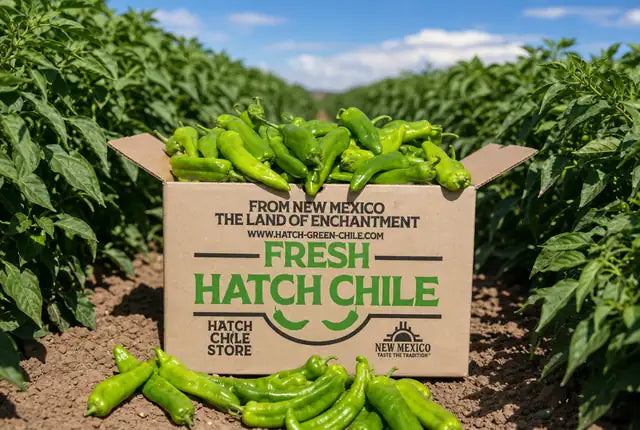
The heat in chile peppers comes from capsaicin and related capsaicinoids, chemical compounds concentrated in the placenta (the white membrane inside the pepper). What makes a chile pepper hot depends on three primary factors: genetics, environmental conditions, and plant stress. While a pepper's genetic makeup sets its potential heat range, growing conditions in regions like New Mexico's Hatch Valley and stress factors during cultivation determine where each individual pepper falls within that range.
The Science Behind Chile Heat: Capsaicin and Capsaicinoids
According to research from the New Mexico State University Chile Pepper Institute, capsaicin (8-methyl-N-vanillyl-6-nonenamide) makes up 60-70% of the capsaicinoids in most chile peppers. The remaining heat comes from related compounds including dihydrocapsaicin, nordihydrocapsaicin, homocapsaicin, and homodihydrocapsaicin.
These compounds evolved as a natural defense mechanism. Dr. Paul Bosland, former director of the Chile Pepper Institute, notes that capsaicin primarily deters mammalian herbivores while allowing birds to consume the fruit. Birds cannot taste capsaicin and spread seeds more effectively than ground-dwelling mammals.
Where Heat Concentrates in the Pepper
Contrary to popular belief, the heat is in the veins, not the seeds. Heat concentrates in:
- Placenta (white membrane): Highest concentration, up to 16 times more than the flesh
- Cross walls: Internal divisions that separate seed chambers
- Flesh near the placenta: Moderate levels that decrease toward the outer skin
Genetic Factors: The Foundation of Heat
A pepper's genetic makeup determines its maximum potential heat level. The capsaicin synthase gene controls capsaicinoid production, with different varieties carrying distinct genetic codes that set their heat ranges.
Hatch Chile Varieties and Their Genetic Heat Profiles
New Mexico's chile breeding programs have developed varieties specifically adapted to the Hatch Valley's growing conditions. Our family has grown chile in the Hatch Valley for five generations. Here is how a few of these varieties compare:
| Variety | Typical Scoville Range | Genetic Characteristics |
|---|---|---|
| NuMex Big Jim | about 6,500 SHU | Medium gene expression, large fruit size |
| NuMex Sandia | about 6,500 SHU | Medium heat genes, early maturity |
| NuMex Joe E. Parker | about 900 SHU | Mild variety with thick walls |
Research by Dr. Stephanie Walker at NMSU demonstrates that even within the same variety, individual plants vary in heat due to environmental factors acting on the genetic foundation.
Climate and Environmental Influences
The Hatch Valley's unique climate creates ideal conditions for developing capsaicin. Several environmental factors significantly impact heat levels:
Temperature Effects
Temperature plays the most critical role in capsaicin development. According to Chile Pepper Institute research:
- Optimal range: 80-85°F daytime, 65-70°F nighttime
- Cool weather: Extended periods below 60°F slow capsaicinoid synthesis
- Temperature swings: Large day-night variations can increase heat levels
The Hatch Valley's high desert climate naturally provides these temperature swings.
Weather changes heat from year to year: hot, dry summers produce hotter chile, and cool, wet summers produce milder chile, even from the same variety in the same field.
Water Management and Heat Development
Controlled water stress increases capsaicin production. NMSU extension publications recommend:
- Deep, infrequent watering rather than frequent shallow irrigation
- Allowing slight wilting between waterings (without severe stress)
- Reducing irrigation as peppers approach maturity
- Maintaining consistent soil moisture during fruit set
Soil Conditions in New Mexico
The alkaline soils of the Hatch Valley (pH 7.2-8.2) affect nutrient availability and stress levels. Key soil factors include:
- Drainage: Well-draining soils prevent root rot while creating mild water stress
- Fertility: Moderate nitrogen levels; excessive nitrogen reduces heat
- Mineral content: High calcium and magnesium typical of desert soils
Plant Stress: The Heat Amplifier
Controlled stress increases capsaicin production as plants activate their natural defense mechanisms. However, excessive stress can damage plants and reduce yields.
Types of Beneficial Stress
Water Stress: Mild drought conditions signal plants to increase defensive compounds. Commercial growers often withhold water for 3-5 days before harvest to boost heat levels.
Nutrient Stress: Limiting nitrogen during fruit development can increase capsaicin concentration. Excess nitrogen promotes leaf growth at the expense of capsaicinoid production.
Mechanical Stress: Light pruning or controlled damage can trigger increased capsaicin synthesis in remaining fruits.
Competition Stress: Slightly crowded plantings create root competition that can enhance heat development.
Monitoring Stress Levels
Visual indicators help farmers balance beneficial stress with plant health:
- Slight leaf curl during hottest part of day (normal)
- Darker green foliage (mild stress response)
- Slower growth rate during fruit development
- Thicker-walled fruits with more concentrated flavors
Harvest Timing and Flavor
Harvest timing changes size and flavor:
- Young green: More vegetable flavor
- Mature green: Full size and flavor
- Red ripe: Different flavor profile
Measuring and Predicting Heat Levels
The Scoville Scale, developed by Wilbur Scoville in 1912, measures capsaicin concentration. Modern testing uses High-Performance Liquid Chromatography (HPLC) for accurate results.
Understanding Scoville Heat Units
For reference, here's how common peppers compare on our heat scale guide:
- Bell peppers: 0 SHU
- Mild Hatch green: 0-2,000 SHU
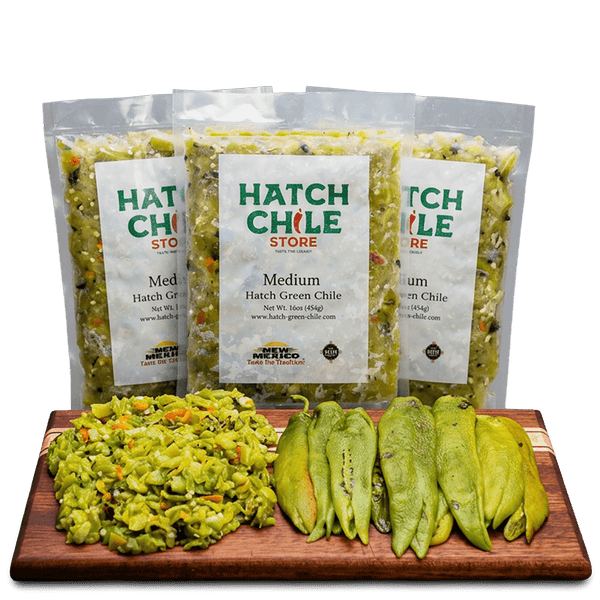
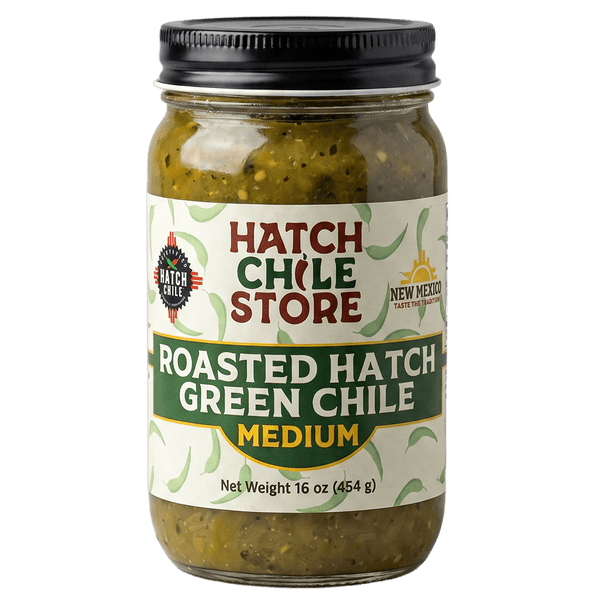
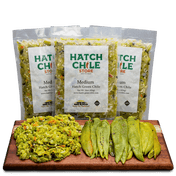
- Medium Hatch green: 2,000-7,000 SHU
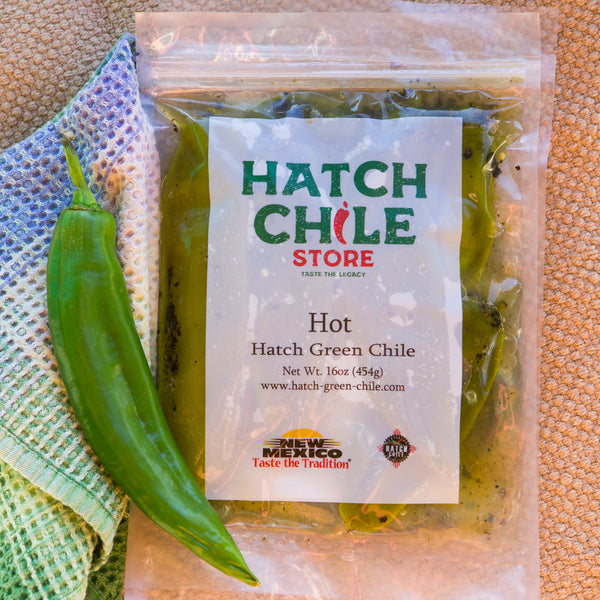
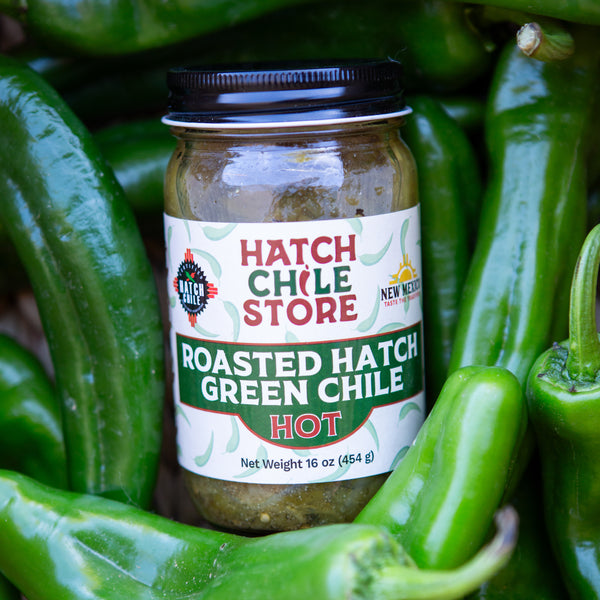
- Hot Hatch green: 7,000-11,000 SHU
- X-Hot Hatch green: 11,000+ SHU
- Jalapeño: 2,500-8,000 SHU
- Serrano: 10,000-25,000 SHU
Maximizing Heat in Your Garden
Home gardeners can influence heat levels using techniques developed by commercial growers:
Variety Selection
Choose varieties bred for your desired heat level and growing conditions. New Mexico varieties like NuMex Joe E. Parker or NuMex Heritage perform well in hot, dry climates similar to the Hatch Valley.
Growing Techniques
- Plant in well-draining soil with good organic content
- Provide consistent moisture during flowering and early fruit set
- Reduce watering frequency as fruits mature
- Avoid over-fertilizing, especially with nitrogen
- Allow plants slight stress without severe wilting
Harvest Timing
Wait until peppers reach full size before harvesting green chiles.
Frequently Asked Questions
Why do peppers from the same plant have different heat levels?
Individual peppers on the same plant can vary in heat due to microclimatic differences in sun exposure, water stress, and fruit position. Peppers growing in more stressful conditions (more sun, less water) typically develop higher capsaicin levels.
Do Hatch chiles get hotter as they turn red?
Heat depends on the variety and the year. The flavor changes a lot as chile ripens from green to red.
Can you reduce the heat in peppers after harvesting?
Capsaicin levels remain relatively stable after harvest, but you can reduce perceived heat by removing the veins (the placenta), soaking in milk or buttermilk, or pairing with dairy products that contain casein, which neutralizes capsaicin.
Why are New Mexico chiles different from other hot peppers?
New Mexico chiles, particularly those grown in the Hatch Valley, develop unique flavor compounds alongside capsaicin due to the region's alkaline soil, intense UV radiation, and dramatic temperature swings. This creates complex heat with distinctive earthy and sweet undertones not found in other varieties.
How can I tell if a chile will be hot before tasting it?
Visual indicators include smaller size relative to the variety, thicker walls, darker color, and stress signs on the plant like slightly curled leaves. However, the only reliable way to determine heat level is testing, as appearance can be misleading even within the same variety.