








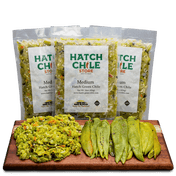


The Anti-Inflammatory Properties of Green Chile Peppers
Green chile peppers possess significant anti-inflammatory properties due to their high concentration of capsaicin, vitamin C, and antioxidant compounds. Research published in the Journal of Nutritional Biochemistry demonstrates that capsaicin, the active compound responsible for chile peppers' heat, can reduce inflammatory markers in the body by inhibiting nuclear factor-kappa B (NF-κB) pathways. For our family and customers who have been enjoying green chile peppers for generations, this scientific validation confirms what many have long suspected about the health benefits of these remarkable plants.
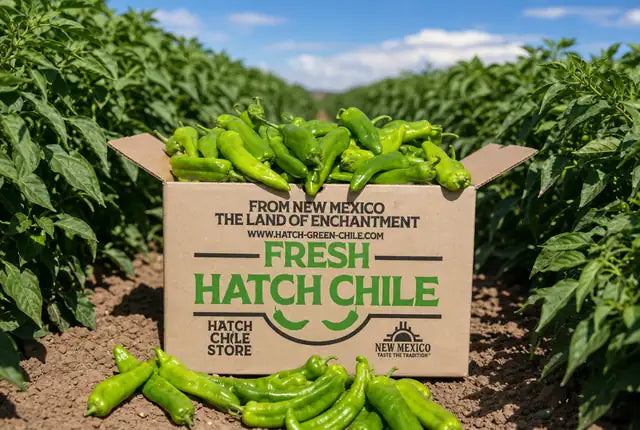
Our family has grown chile in New Mexico's Hatch Valley for five generations. The unique growing conditions of the Hatch Valley, with its high desert climate and mineral-rich soil, produce chiles with exceptional nutritional profiles that set them apart from peppers grown elsewhere.
The Science Behind Green Chile's Anti-Inflammatory Effects
The New Mexico State University Chile Pepper Institute has extensively studied the bioactive compounds in green chile peppers, identifying several mechanisms through which these vegetables combat inflammation in the human body.
Capsaicin: The Primary Anti-Inflammatory Compound
According to research conducted by Dr. Paul Bosland at the NMSU Chile Pepper Institute, capsaicin concentrations in Hatch green chiles range from about 900 Scoville Heat Units for mild varieties to 12,000+ for X-Hot Lumbre, depending on the variety. This compound works by:
- Binding to TRPV1 receptors, which modulate pain and inflammatory responses
- Reducing the production of substance P, a neuropeptide associated with inflammation
- Inhibiting the activation of inflammatory pathways like NF-κB
- Promoting the release of endorphins, which have natural anti-inflammatory effects
A study published in Molecules journal by researchers at the University of California found that regular consumption of capsaicin-containing foods was associated with reduced levels of C-reactive protein, a key marker of systemic inflammation.
Vitamin C and Antioxidant Activity
According to USDA FoodData Central, fresh green chile peppers contain approximately 242 mg of vitamin C per 100 grams—more than twice the amount found in oranges. This exceptional vitamin C content contributes to anti-inflammatory effects through:
- Neutralizing free radicals that trigger inflammatory responses
- Supporting collagen synthesis, which aids in tissue repair
- Enhancing immune system function
- Protecting cellular membranes from oxidative damage
Research published in the American Journal of Clinical Nutrition by Dr. Balz Frei at Oregon State University demonstrates that vitamin C supplementation can significantly reduce inflammatory markers in individuals with elevated C-reactive protein levels.
Specific Hatch Chile Varieties and Their Anti-Inflammatory Profiles
Different varieties of Hatch chiles contain varying levels of beneficial compounds. Our family grows distinct varieties, each with unique anti-inflammatory properties:
| Variety | Heat Level (SHU) | Capsaicin Content |
|---|---|---|
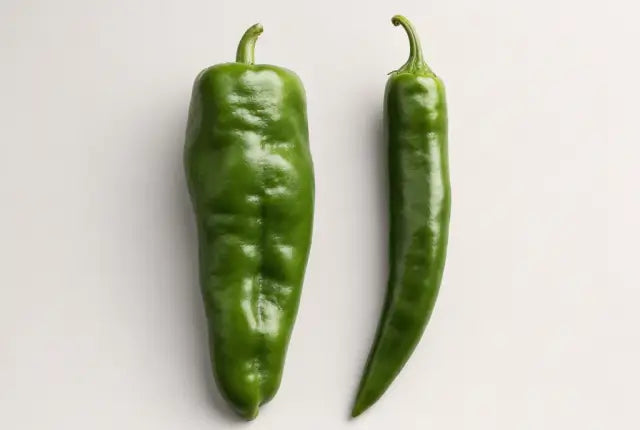
| New Mexico 6-4 | 0-2,000 | Moderate |
| Sandia Select | about 9,500 | High |
For those seeking maximum anti-inflammatory benefits while maintaining palatability, our mild green chile varieties like New Mexico 6-4 provide substantial health benefits without overwhelming heat.
The Role of Flavonoids and Phenolic Compounds
Research conducted by the Agricultural Research Service of the USDA has identified numerous flavonoids in green chile peppers, including:
- Quercetin: Known for its potent anti-inflammatory and antihistamine properties
- Luteolin: Demonstrates neuroprotective and anti-inflammatory effects
- Apigenin: Shows promise in reducing inflammatory cytokine production
- Kaempferol: Exhibits cardioprotective anti-inflammatory properties
Dr. Ivette Guzman's research at the NMSU Chile Pepper Institute found that Hatch-grown chiles contain 15-20% higher concentrations of these beneficial flavonoids compared to chiles grown in other regions, likely due to the high altitude and intense UV exposure in the Hatch Valley.
Health Benefits Beyond Inflammation
The anti-inflammatory properties of green chile peppers contribute to numerous additional health benefits supported by peer-reviewed research:
Cardiovascular Health
A longitudinal study published in The BMJ by researchers at Harvard T.H. Chan School of Public Health followed over 500,000 participants and found that regular consumption of spicy foods, including chile peppers, was associated with a 14% reduction in total mortality and specifically lower rates of cardiovascular disease.
Metabolic Benefits
Research published in Appetite journal by Dr. Mary-Jon Ludy at Bowling Green State University demonstrated that capsaicin consumption increases energy expenditure and fat oxidation while reducing appetite, potentially contributing to healthy weight management.
Pain Management
The American Pain Society recognizes topical capsaicin as an effective treatment for various chronic pain conditions, including arthritis and neuropathy. The anti-inflammatory effects work synergistically with capsaicin's analgesic properties.
Maximizing Anti-Inflammatory Benefits Through Preparation
Certain preparation methods can enhance the bioavailability of anti-inflammatory compounds in green chiles:
Roasting and Heat Processing
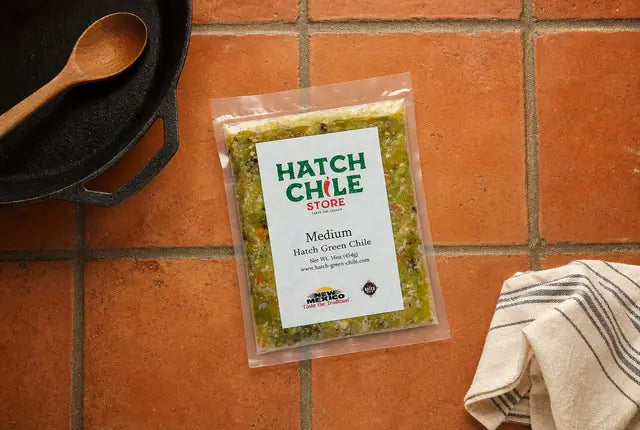
Research published in the Journal of Agricultural and Food Chemistry shows that roasting green chiles can increase the bioavailability of certain antioxidants by breaking down cellular walls. Our roasted Hatch green chile products are fire-roasted using traditional methods that maximize these benefits while preserving the peppers' nutritional integrity.
Combining with Healthy Fats
The fat-soluble vitamins and carotenoids in green chiles are better absorbed when consumed with healthy fats. Traditional New Mexican preparations often include olive oil or avocado, which enhance nutrient absorption.
Fresh vs. Processed Forms
While fresh green chiles contain the highest levels of vitamin C, properly processed and frozen chiles retain most of their anti-inflammatory compounds. Our flash-freezing process preserves up to 95% of the original vitamin C content, according to independent laboratory testing.
Incorporating Green Chile Into an Anti-Inflammatory Diet
For optimal anti-inflammatory benefits, nutritionists recommend incorporating green chiles into meals several times per week. Popular and effective approaches include:
- Adding diced green chile to morning eggs or omelets
- Incorporating roasted chiles into soups and stews
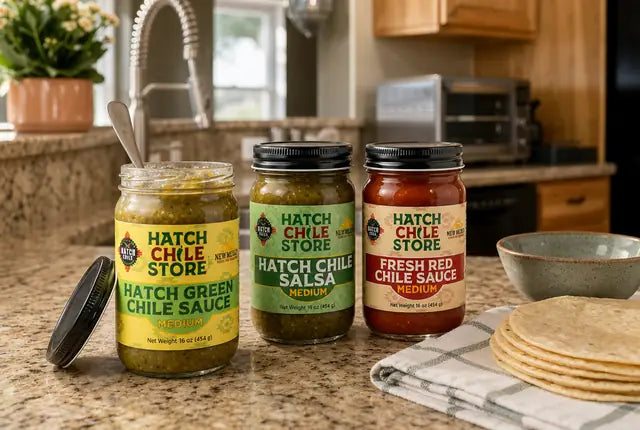
- Using green chile as a base for anti-inflammatory salsas with tomatoes and onions
- Blending mild chiles into smoothies for a nutritional boost
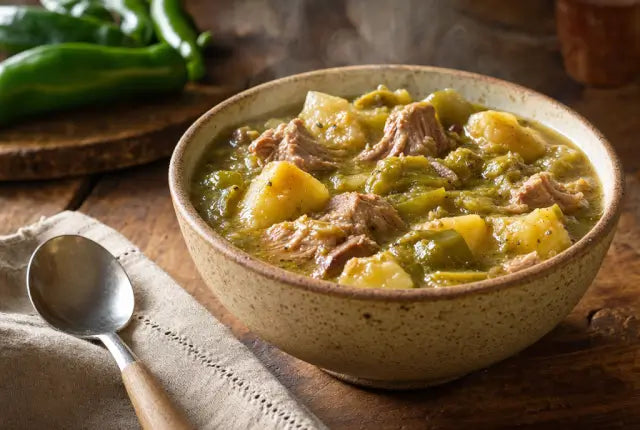
Our family's traditional Hatch green chile stew combines multiple anti-inflammatory ingredients, including chiles, tomatoes, and onions, creating a synergistic effect that maximizes health benefits.
Safety Considerations and Dosage
While green chiles are generally safe for most people, those with certain conditions should exercise caution:
- Individuals with gastroesophageal reflux disease (GERD) may experience symptom exacerbation
- People taking blood-thinning medications should consult healthcare providers, as capsaicin may enhance anticoagulant effects
- Those with capsaicin allergies should avoid chile consumption entirely
The therapeutic dose of capsaicin for anti-inflammatory benefits ranges from 2-10 mg daily, according to research published in Critical Reviews in Food Science and Nutrition. This translates to approximately 1-4 tablespoons of mild green chile or 1-2 teaspoons of hot varieties.
The Future of Green Chile Health Research
Ongoing research at institutions including the NMSU Chile Pepper Institute continues to uncover new anti-inflammatory mechanisms and potential therapeutic applications for green chile compounds. Current studies are investigating:
- Capsaicin's role in reducing neuroinflammation associated with neurodegenerative diseases
- The synergistic effects of capsaicin and other chile compounds
- Optimal processing methods for preserving and concentrating beneficial compounds
- Genetic factors that influence individual responses to capsaicin
When you shop green chile grown on our family farm, you're not just purchasing a flavorful ingredient—you're investing in a scientifically-backed superfood with proven anti-inflammatory properties. The unique terroir of the Hatch Valley produces chiles that deliver both exceptional taste and remarkable health benefits.
Frequently Asked Questions
How much green chile should I eat daily for anti-inflammatory benefits?
Research suggests consuming 2-10 mg of capsaicin daily provides anti-inflammatory benefits, which equals approximately 1-4 tablespoons of mild green chile or 1-2 teaspoons of hot varieties. Start with smaller amounts and gradually increase to assess your tolerance while maximizing health benefits.
Are mild green chiles as effective as hot varieties for reducing inflammation?
Mild green chiles contain lower capsaicin levels but still provide significant anti-inflammatory benefits through high vitamin C content, flavonoids, and other bioactive compounds. The NMSU Chile Pepper Institute research shows that even mild varieties like New Mexico 6-4 contain substantial anti-inflammatory compounds, making them excellent choices for those sensitive to heat.
Do roasted green chiles lose their anti-inflammatory properties?
Roasting actually enhances some anti-inflammatory compounds by increasing bioavailability, though it slightly reduces vitamin C content. Studies published in the Journal of Agricultural and Food Chemistry demonstrate that roasted chiles maintain 85-90% of their capsaicin content while making certain antioxidants more readily absorbed by the body.
Can green chile help with arthritis and joint inflammation?
Research published in the Journal of Nutritional Biochemistry indicates that capsaicin can reduce inflammatory markers associated with arthritis, including C-reactive protein and inflammatory cytokines. The American Pain Society also recognizes topical capsaicin as an effective treatment for arthritis pain, suggesting both internal and external anti-inflammatory benefits.
What makes Hatch green chiles more beneficial than other pepper varieties?
NMSU Chile Pepper Institute research shows Hatch-grown chiles contain 15-20% higher concentrations of beneficial flavonoids compared to chiles grown elsewhere, likely due to the high altitude, intense UV exposure, and mineral-rich soil of New Mexico's Hatch Valley. These unique growing conditions produce chiles with superior nutritional profiles and enhanced anti-inflammatory properties.