Hatch Chile vs. Poblano: Flavor, Heat, and Culinary Uses
Share
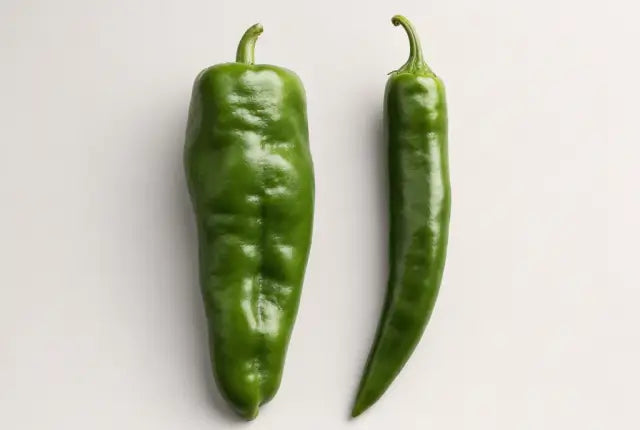
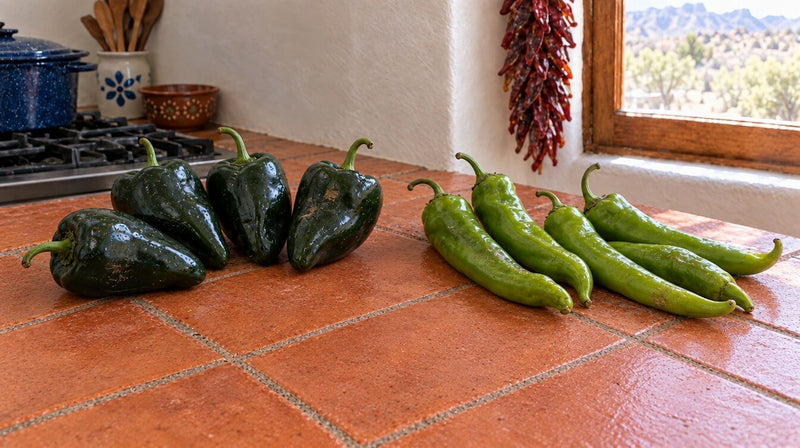
Hatch chile and poblano peppers differ significantly in origin, flavor profile, and heat level. While poblanos are Mexican peppers with mild heat (1,000-2,000 Scoville units) and an earthy taste, Hatch chile refers specifically to peppers grown in New Mexico's Hatch Valley, offering a complex flavor range from sweet to smoky with variable heat levels depending on variety. Understanding these distinctions helps home cooks choose the right pepper for their culinary needs.
Geographic Origins and Growing Conditions
The most fundamental difference between these peppers lies in their geographic origins. Poblano peppers originated in the state of Puebla, Mexico, where they've been cultivated for centuries. These peppers thrive in Mexico's high-altitude growing conditions and warm climate.
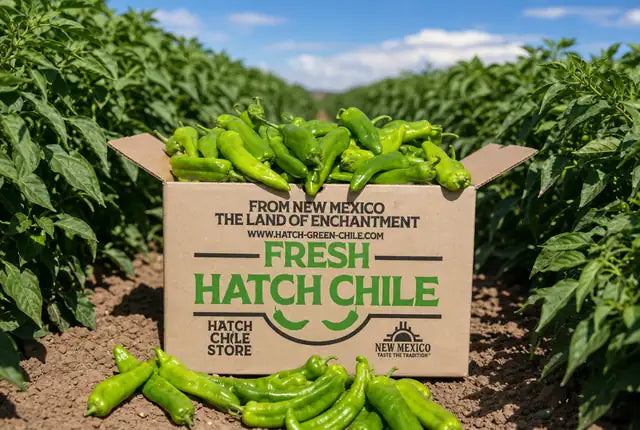
Hatch chiles, by contrast, are grown exclusively in the Hatch Valley of southern New Mexico, primarily in Doña Ana County. According to the New Mexico State University Chile Pepper Institute, the unique combination of high desert climate, elevation, and mineral-rich soil creates growing conditions that cannot be replicated elsewhere. Our family has been farming in this region for five generations, and we've witnessed firsthand how these environmental factors contribute to the chile's distinctive characteristics.
The Hatch Valley's specific terroir includes:
- High desert elevation (approximately 4,000 feet)
- Hot days and cool nights
- Mineral-rich alluvial soil
- Low humidity levels
- Intense sunlight exposure
Flavor Profile Comparison
The flavor differences between Hatch chiles and poblanos are pronounced, reflecting their distinct growing environments and genetic lineages.
Poblano Pepper Characteristics
Poblano peppers deliver a mild, earthy flavor with subtle sweetness. When fresh, they offer:
- Rich, deep earthiness
- Mild vegetable sweetness
- Slight bitterness in the skin
- Meaty, substantial texture
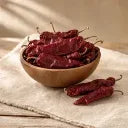
When dried, poblanos become ancho chiles, developing complex flavors including chocolate notes, raisin-like sweetness, and mild smokiness.
Hatch Chile Flavor Profile
Hatch chiles present a more complex flavor spectrum that varies by variety. Our green chile varieties typically feature:
- Bright, fresh vegetable notes
- Natural sweetness balanced with subtle heat
- Distinctive mineral undertones from the valley's soil
- Clean, crisp finish without excessive bitterness
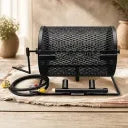
When roasted, Hatch chiles develop additional layers including smoky depth and concentrated sweetness. The roasting process, traditional to New Mexico cuisine, enhances the pepper's natural complexity while making the skin easier to remove.
Heat Level Analysis
Understanding the heat differences requires examining each pepper's position on the Scoville scale, which measures capsaicin concentration.
| Pepper Type | Scoville Heat Units | Heat Description |
|---|---|---|
| Poblano | 1,000-2,000 SHU | Mild |
| Hatch Mild | 1,000-2,500 SHU | Mild |
| Hatch Medium | 2,500-5,000 SHU | Medium |
| Hatch Hot | 5,000-8,000 SHU | Hot |
| Hatch Extra Hot | 8,000-10,000+ SHU | Very Hot |
According to USDA FoodData Central nutritional analysis, both peppers contain similar capsaicin distribution patterns, with the highest concentrations in the seeds and internal membranes. However, Hatch chiles offer significantly more variety in heat levels, allowing cooks to select their preferred intensity. Our heat scale comparison provides detailed guidance for choosing the right level.
Nutritional Comparison
Both peppers offer excellent nutritional value, though with some variations in vitamin and mineral content.
Poblano Nutritional Profile (per 100g fresh)
- Calories: 20
- Vitamin C: 190% Daily Value
- Vitamin A: 12% Daily Value
- Potassium: 260mg
- Fiber: 2.5g
Hatch Chile Nutritional Profile (per 100g fresh)
- Calories: 18
- Vitamin C: 235% Daily Value
- Vitamin A: 15% Daily Value
- Potassium: 280mg
- Fiber: 2.8g
The New Mexico State University Chile Pepper Institute notes that Hatch chiles grown in the valley's mineral-rich soil often contain higher concentrations of certain trace minerals, including magnesium and iron, compared to peppers grown in other regions.
Culinary Applications and Cooking Methods
While both peppers work well in various dishes, their distinct characteristics make each better suited for specific culinary applications.
Poblano Pepper Uses
Poblanos excel in Mexican cuisine, particularly:
- Chiles Rellenos: The thick walls and mild heat make poblanos ideal for stuffing
- Mole Sauces: Dried poblanos (ancho chiles) add depth to complex sauces
- Rajas: Sliced poblanos pair well with cream and onions
- Soups and Stews: The meaty texture holds up well in long-cooking dishes
Hatch Chile Applications
Hatch chiles shine in New Mexican cuisine and beyond:
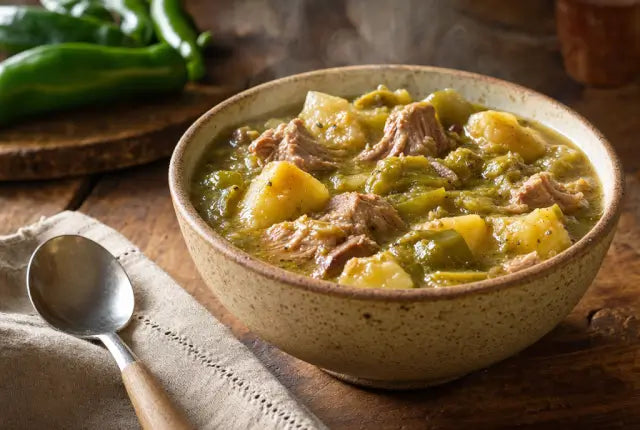
- Green Chile Stew: The state dish of New Mexico showcases roasted Hatch green chile
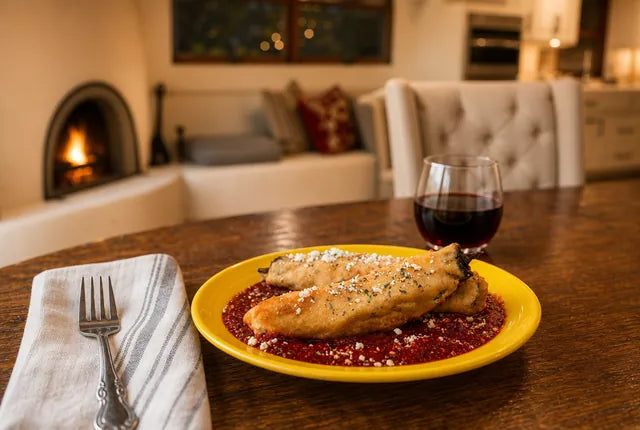
- Chile Rellenos: New Mexican-style uses Hatch chiles for more heat and complexity
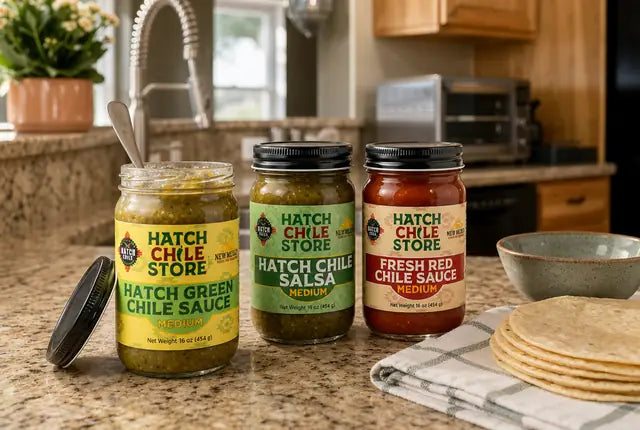
- Salsas and Sauces: The clean flavor works well in both cooked and fresh preparations
- Cheeseburgers and Pizza: Roasted Hatch chiles add Southwestern flair
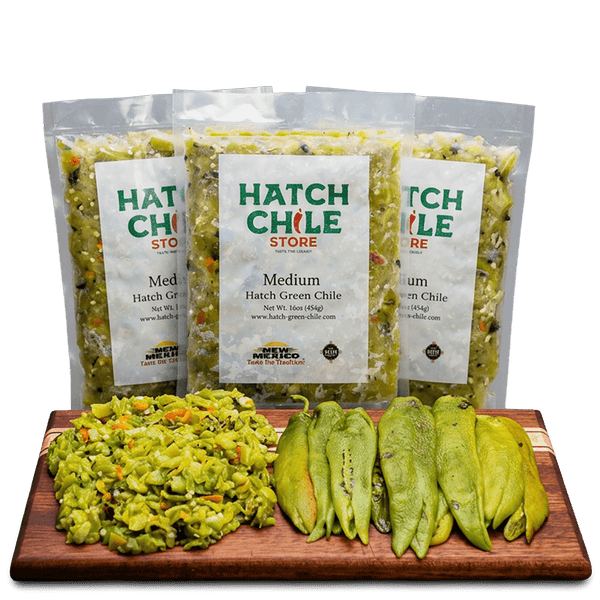
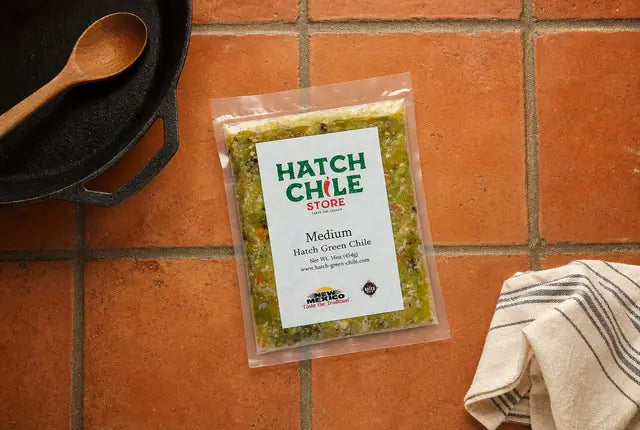
- Mac and Cheese: Our medium heat green chile creates perfect balance
Preparation and Storage
Both peppers benefit from proper preparation techniques, though each has specific considerations.
Poblano Preparation
- Char the skin over an open flame or under a broiler
- Place in a plastic bag to steam for 10-15 minutes
- Peel away the charred skin
- Remove seeds and membranes if desired
Hatch Chile Preparation
- Roast over an open flame until skin blisters and chars
- Place immediately in a plastic bag to steam
- Peel skin when cool enough to handle
- Remove stems, seeds, and veins based on heat preference
Fresh poblanos store in the refrigerator for up to one week, while fresh Hatch chiles maintain quality for 7-10 days when properly stored. Both peppers freeze exceptionally well after roasting and peeling, maintaining flavor and texture for up to one year.
Seasonal Availability and Sourcing
Availability patterns differ significantly between these peppers, affecting accessibility and price.
Poblanos are available year-round in most grocery stores, imported from Mexico during off-seasons. Their consistent availability makes them a reliable choice for regular cooking.
Hatch chiles follow a distinct seasonal pattern, with fresh chiles available primarily from late July through early October. This limited harvest window creates the traditional "Hatch chile season" celebrated throughout the Southwest. During harvest season, we ensure our customers receive the freshest chiles directly from our family farm, maintaining the connection between grower and consumer that has defined our operation for generations.
Cultural Significance and Traditions
Both peppers carry deep cultural importance in their respective regions.
Poblanos represent centuries of Mexican culinary tradition, featuring prominently in pre-Columbian cuisine and continuing as a cornerstone of modern Mexican cooking. The pepper's transformation from fresh poblano to dried ancho demonstrates the sophisticated preservation techniques developed by indigenous peoples.
Hatch chiles embody New Mexican identity and cultural heritage. The annual Hatch Chile Festival celebrates not just the harvest but the community built around chile farming. Families throughout the region gather to roast chiles together, creating social bonds while preparing food for the year ahead. This tradition connects modern New Mexicans to generations of chile cultivation in the valley.
Frequently Asked Questions
Can I substitute poblano for Hatch chile in recipes?
While poblanos can substitute for mild Hatch chiles in some recipes, the flavor profile will be different. Poblanos have a more earthy, less bright taste compared to Hatch chiles' clean, mineral-forward flavor. For best results in New Mexican dishes, use authentic Hatch chiles when possible.
Which pepper is better for beginners who don't like much heat?
Both poblanos and mild Hatch chiles work well for heat-sensitive palates. Poblanos offer consistent mild heat levels, while mild Hatch varieties provide similar heat with more complex flavor. Start with either pepper and adjust based on your taste preferences.
How do I know which heat level of Hatch chile to choose?
Begin with mild Hatch chiles if you're unsure about heat tolerance. Mild varieties provide full flavor with minimal heat, while medium heat adds noticeable warmth without overwhelming most palates. Hot and extra hot varieties are for those who enjoy significant heat levels.
Do Hatch chiles really taste different from the same pepper varieties grown elsewhere?
Yes, according to the New Mexico State University Chile Pepper Institute, the unique soil composition, elevation, and climate of the Hatch Valley create distinct flavor characteristics that cannot be replicated in other growing regions. The terroir effect is scientifically documented and consistently recognized by chile enthusiasts.
Can I grow Hatch chiles in my home garden outside of New Mexico?
While you can grow New Mexican chile varieties elsewhere, they won't produce the same flavor profile as those grown in the Hatch Valley. The unique environmental conditions of southern New Mexico are essential to developing authentic Hatch chile characteristics. Seeds from Hatch varieties grown elsewhere produce peppers with different taste profiles.


