
Understanding the Scoville Scale: Where Hatch Chile Falls
Share
Understanding the Scoville Scale: Where Hatch Chile Falls
Hatch chile varieties range from 1,000 to 8,000 Scoville Heat Units (SHU) on the Scoville scale, with mild varieties measuring 1,000-1,500 SHU, medium varieties reaching 1,500-2,500 SHU, and hot to extra hot varieties climbing from 2,500 to 8,000+ SHU. This places authentic Hatch chile from New Mexico's Hatch Valley in the mild to moderate heat range, significantly milder than jalapeños (2,500-8,000 SHU) but with complex flavor profiles that have made them legendary among chile enthusiasts.
Our family has been growing chile in the Hatch Valley for five generations, and we've watched countless customers discover the perfect balance of heat and flavor that makes Hatch chile so special. Understanding where these remarkable peppers fall on the Scoville scale helps you choose the right variety for your palate and cooking needs.
What Is the Scoville Scale?
The Scoville scale, developed by American pharmacist Wilbur Scoville in 1912, measures the concentration of capsaicin—the compound responsible for a pepper's heat. Originally called the "Scoville Organoleptic Test," this system relied on human taste testers to determine heat levels by diluting pepper extracts until the heat was no longer detectable.
Today, scientists use High-Performance Liquid Chromatography (HPLC) to measure capsaicin concentration more accurately, according to research published by the New Mexico State University Chile Pepper Institute. This modern method provides precise Scoville Heat Unit measurements that help growers, retailers, and consumers understand exactly what to expect from different chile varieties.
How Scoville Heat Units Work
The scale ranges from 0 SHU (bell peppers) to over 3 million SHU (pure capsaicin). Here's how common peppers compare:
- 0 SHU: Bell peppers
- 100-1,000 SHU: Pimento, banana peppers
- 1,000-2,500 SHU: Poblano, Anaheim, mild Hatch varieties
- 2,500-8,000 SHU: Jalapeño, medium to hot Hatch varieties
- 8,000-25,000 SHU: Serrano, cayenne
- 25,000-50,000 SHU: Tabasco
- 50,000-100,000 SHU: Thai chile, habanero
Hatch Chile Varieties and Their Scoville Ratings
The New Mexico State University Chile Pepper Institute has documented heat levels for various Hatch chile cultivars grown in the Hatch Valley. Our farm grows several of these traditional varieties, each offering distinct heat profiles and flavor characteristics.
Mild Hatch Chile Varieties (1,000-1,500 SHU)
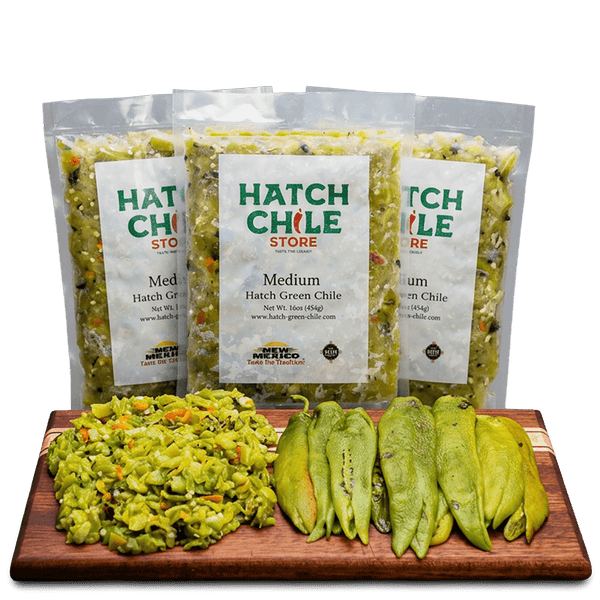
Our mild Hatch green chile varieties include cultivars like Machete, NuMex 6-4, and R Naky strains. These peppers deliver the signature Hatch flavor—earthy, slightly sweet, with subtle smoky notes—without overwhelming heat. The USDA FoodData Central database confirms that mild Hatch varieties contain sufficient capsaicin to provide warmth and complexity while remaining accessible to most palates.
Medium Hatch Chile Varieties (1,500-2,500 SHU)
Medium heat Hatch chiles bridge the gap between mild and hot varieties. These peppers, including Big Jim and Charger strains, offer more pronounced heat while maintaining the characteristic Hatch flavor profile. The heat builds gradually, allowing you to appreciate the pepper's natural sweetness and mineral notes that come from our valley's unique soil composition.
Hot Hatch Chile Varieties (2,500-5,000 SHU)
Our hot Hatch green chile varieties include cultivars like Sandia and Joe E. Parker strains. According to research from New Mexico State University's Department of Plant and Environmental Sciences, these varieties develop higher capsaicin concentrations due to specific genetic traits and growing conditions in the Hatch Valley.
Extra Hot Hatch Chile Varieties (5,000-8,000+ SHU)
For heat seekers, our extra hot green chile varieties push the upper limits of traditional Hatch heat levels. These peppers, including Barker and Lumbre strains, can reach 8,000 SHU or higher while preserving the complex flavor that distinguishes Hatch chile from other hot peppers.
| Heat Level | Scoville Range (SHU) | Common Varieties | Flavor Profile |
|---|---|---|---|
| Mild | 1,000-1,500 | Machete, NuMex 6-4, R Naky | Sweet, earthy, subtle warmth |
| Medium | 1,500-2,500 | Big Jim, Charger | Balanced heat, mineral notes |
| Hot | 2,500-5,000 | Sandia, Joe E. Parker | Pronounced heat, complex flavor |
| Extra Hot | 5,000-8,000+ | Barker, Lumbre | Intense heat, preserved Hatch character |
Factors That Influence Hatch Chile Heat Levels
Several environmental and genetic factors affect where individual Hatch chiles fall on the Scoville scale, even within the same variety. Understanding these variables helps explain why heat levels can vary between harvests and individual peppers.
Growing Conditions in the Hatch Valley
Research published in the Journal of Agricultural and Food Chemistry demonstrates that stress conditions during growing can increase capsaicin production. In the Hatch Valley, factors like:
- High altitude (approximately 4,000 feet above sea level)
- Intense desert sun exposure
- Temperature fluctuations between day and night
- Limited water availability during key growth periods
- Unique mineral content in valley soil
These conditions contribute to the distinctive heat and flavor profiles that make authentic Hatch chile unique compared to the same varieties grown in other regions.
Harvest Timing and Maturity
The New Mexico Chile Association notes that capsaicin concentration typically increases as peppers mature. Green chiles harvested earlier in the season may register lower on the Scoville scale than those harvested at peak maturity. Our family times each harvest carefully to ensure optimal heat levels for each variety we grow.
Processing and Preparation Methods
How you prepare Hatch chile can affect perceived heat intensity. The USDA Agricultural Research Service confirms that:
- Roasting concentrates flavors and can intensify heat perception
- Removing seeds and ribs reduces overall Scoville rating
- Freezing and thawing can break down cell walls, releasing more capsaicin
- Dehydration concentrates capsaicin, increasing heat per unit weight
How Hatch Chile Compares to Other Popular Peppers
Understanding where Hatch chile falls relative to other common peppers helps you make informed decisions about heat tolerance and cooking applications. Data from the Chile Pepper Institute provides these comparative Scoville measurements:
Milder Than Hatch Chile
- Bell Peppers: 0 SHU
- Banana Peppers: 0-500 SHU
- Pimento: 100-500 SHU
Similar Heat Range
- Poblano: 1,000-2,000 SHU
- Anaheim: 500-2,500 SHU
- Mild Jalapeño: 2,500-5,000 SHU
Significantly Hotter
- Serrano: 10,000-25,000 SHU
- Cayenne: 30,000-50,000 SHU
- Habanero: 100,000-350,000 SHU
Choosing the Right Hatch Chile Heat Level
Selecting the appropriate Hatch chile variety depends on your heat tolerance, cooking method, and intended use. Our full heat scale guide provides detailed recommendations, but here are general guidelines:
For New Chile Enthusiasts
Start with mild varieties (1,000-1,500 SHU) to appreciate Hatch chile's unique flavor without overwhelming heat. These peppers work excellently in green chile stew, breakfast burritos, and cheese-stuffed rellenos.
For Moderate Heat Lovers
Medium and hot varieties (1,500-5,000 SHU) provide noticeable warmth while preserving the complex flavor that makes Hatch chile special. These work well in salsas, sauces, and dishes where you want heat to complement other flavors.
For Heat Seekers
Extra hot varieties (5,000-8,000+ SHU) deliver serious heat while maintaining authentic Hatch character. Use these sparingly in hot sauces, spicy marinades, or any dish where you want maximum heat impact.
The Science Behind Hatch Chile's Unique Profile
Research from New Mexico State University's College of Agricultural, Consumer and Environmental Sciences reveals that Hatch chile's distinctive characteristics result from more than just capsaicin content. The combination of specific soil minerals, altitude, and climate in the Hatch Valley creates peppers with unique flavor compounds that complement their heat levels.
Studies published in Food Chemistry journal demonstrate that authentic Hatch chiles contain higher concentrations of certain volatile compounds responsible for their signature earthy, slightly sweet flavor profile. This explains why Hatch chile maintains its popularity despite having moderate heat levels compared to superhot varieties that have emerged in recent years.
Frequently Asked Questions
How hot is mild Hatch chile compared to jalapeño?
Mild Hatch chile ranges from 1,000-1,500 SHU, making it significantly milder than jalapeños, which typically measure 2,500-8,000 SHU. Most people who find jalapeños too hot can comfortably enjoy mild Hatch varieties.
Why do Scoville ratings vary between different Hatch chile harvests?
Natural variations in growing conditions, harvest timing, and individual plant genetics cause Scoville ratings to fluctuate. Weather stress, soil conditions, and pepper maturity all influence capsaicin production, so even the same variety can show heat level differences between seasons.
Can you reduce the heat level of hot Hatch chile?
Yes, removing seeds and white ribs significantly reduces heat levels since these parts contain the highest capsaicin concentrations. Dairy products, rice, and bread can also help neutralize capsaicin's effects when eating spicy Hatch chile dishes.
Do red Hatch chiles have different Scoville ratings than green ones?
Red Hatch chiles are typically hotter than their green counterparts because they've been allowed to fully ripen, concentrating capsaicin levels. Red chiles from the same plant can measure 25-50% higher on the Scoville scale than green chiles harvested earlier.
How accurate are Scoville measurements for individual peppers?
Individual peppers can vary significantly from published Scoville ranges due to natural variations in capsaicin distribution. Published ratings represent average ranges for varieties grown under typical conditions, but individual peppers may fall above or below these ranges.