









Chile Pepper Endorphins: The Science of Why Spicy Food Feels Good
Share
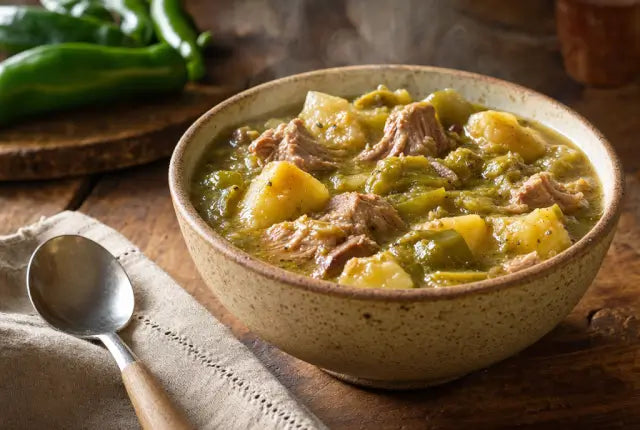
When you eat a fiery bowl of green chile stew, your brain releases a flood of endorphins — natural pain-relieving chemicals that create a genuine sense of euphoria. This is not a trick of the imagination. The burning sensation triggered by capsaicin, the active compound in chile peppers, activates the same neural pain pathways that endorphins are designed to soothe, producing a measurable biochemical reward. Think of it like this: your brain detects the heat, sounds the alarm, and then floods your system with its own built-in painkillers. For five generations, our family has farmed the Hatch Valley in New Mexico, and we have always known that a great chile makes you feel something. Now science can explain exactly why.
What Is Capsaicin and Where Does It Come From?
Capsaicin (8-methyl-N-vanillyl-6-nonenamide) is the primary heat-producing compound found in chile peppers. According to the NMSU Chile Pepper Institute, capsaicin is produced in the white, spongy membrane inside the pepper — the part that holds the seeds — and its concentration varies dramatically by variety, growing conditions, and soil chemistry. In simple terms, the whiter and thicker that inner membrane, the hotter the pepper tends to be.
In the Hatch Valley, the unique combination of high desert altitude, alkaline soil, and intense New Mexico sun pushes capsaicin production in ways that simply cannot be replicated elsewhere. That is why our hot green chile carries a depth of heat that tastes genuinely different from supermarket alternatives — the land itself is part of the chemistry.
Capsaicin Concentration by Hatch Chile Variety
| Variety | Approximate SHU Range | Heat Level |
|---|---|---|
| Mild Hatch Green Chile | 500 – 1,500 SHU | Mild |
| Medium Hatch Green Chile | 1,500 – 5,000 SHU | Medium |
| Hot Hatch Green Chile | 5,000 – 15,000 SHU | Hot |
| Extra Hot Hatch Green Chile | 15,000 – 50,000 SHU | Extra Hot |
| Lumbre Hatch Green Chile | 50,000 – 70,000 SHU | Extreme |
Scoville Heat Units (SHU) are simply a way of measuring how much capsaicin is in a pepper. The higher the number, the hotter the chile. Scientists measure this using a precise laboratory method called high-performance liquid chromatography (HPLC) — essentially a machine that can detect and count capsaicin molecules in a sample. This method is standardized by the American Spice Trade Association and referenced by USDA FoodData Central for pepper nutrient and phytochemical data. You can explore how our varieties stack up on our chile heat scale.
The Neuroscience: How Capsaicin Triggers an Endorphin Release
The process begins the moment capsaicin contacts the soft tissues of your mouth. Here is the sequence, step by step:
- Pain receptor activation. Capsaicin latches onto a specific receptor in your body called TRPV1 — think of it as a tiny alarm button on the surface of your nerve cells. This receptor normally responds to real heat, like touching something hot. When capsaicin binds to it, the receptor is fooled into thinking your mouth is being burned at temperatures above 43°C (109°F), even though nothing is actually that hot. This discovery was so significant it earned researchers David Julius and Ardem Patapoutian the 2021 Nobel Prize in Physiology or Medicine.
- Pain signal transmission. The activated receptor sends a pain signal along your nerves to your spinal cord and up to the brain — the same route a signal would travel if you actually burned your hand on a stove.
- Endorphin and enkephalin release. Your brain responds to the perceived pain by releasing its own natural painkillers, called beta-endorphins and enkephalins. According to research from the Monell Chemical Senses Center in Philadelphia, these natural chemicals work very similarly to prescription pain medications like morphine — they bind to the same receptors in the brain, easing discomfort and creating a pleasant, positive feeling.
- Dopamine surge. The relief from pain — even pain that was never real in the first place — triggers a rush of dopamine, the brain's "feel good" chemical. Dopamine is the same chemical released when you hear your favorite song, win a game, or bite into something delicious. A 2012 brain-imaging study published in NeuroImage by Université de Montréal researchers confirmed that this pain relief directly activates the brain's reward centers.
- The afterglow. Once the chile is digested and the pain signal fades, those circulating endorphins stick around a little longer, producing the warm, calm, mildly euphoric feeling that dedicated chile eaters describe as the "chile high."
Why Some People Crave the Heat More Than Others
Not everyone experiences the capsaicin-endorphin cycle the same way. Several factors influence individual response:
Genetic Variation in Pain Receptors
The National Institutes of Health (NIH) National Human Genome Research Institute has found that some people are born with slightly different versions of the TRPV1 receptor gene. Just like how some people are naturally more sensitive to loud sounds or bright lights, some people's pain receptors respond more strongly to capsaicin than others. If your receptors are less sensitive, you may get a smaller endorphin release from the same amount of heat — meaning the "reward" feels less intense.
Desensitization Through Regular Consumption
The more often you eat spicy food, the less reactive your pain receptors become. Research published in the British Journal of Pharmacology by University College London pharmacologists showed that regular capsaicin exposure essentially wears down the alarm system — your nerve cells run low on the chemicals needed to send a strong pain signal. It is similar to how someone who works around loud machinery gradually stops noticing the noise. This is why long-time Hatch chile families — including ours — can eat dishes that would overwhelm a first-time visitor. The receptors have simply adapted over years of exposure.
Psychological Conditioning
Monell Chemical Senses Center researcher Paul Rozin coined the term "benign masochism" to describe how humans learn to enjoy the sensation of capsaicin-induced pain. In plain terms: once your brain has experienced the burn enough times and learned that it is not actually dangerous, it stops treating the sensation as a threat and starts treating it as a treat. That mental shift changes the way the dopamine reward feels — it becomes something to look forward to rather than something to fear.
Additional Physiological Effects Worth Knowing
The endorphin response is the headline, but capsaicin triggers several other measurable effects on your body:
- Thermogenesis: The American Journal of Clinical Nutrition published a meta-analysis in 2012 confirming that capsaicin increases your resting metabolic rate — essentially how many calories your body burns while at rest — by approximately 4–5%, and increases fat burning by up to 16% in the hours following consumption.
- Anti-inflammatory action: According to the NMSU Chile Pepper Institute, capsaicin interferes with a key molecule in the body that promotes inflammation, called NF-κB. Think of NF-κB as a switch that turns on swelling and irritation — capsaicin helps keep that switch off, both when applied to the skin and when eaten.
- Cardiovascular response: Eating capsaicin briefly raises your heart rate and blood pressure — similar to a mild adrenaline response. However, the American Heart Association has noted in dietary guidance materials that populations who regularly eat high amounts of capsaicin tend to show lower rates of heart disease in large population studies, though researchers have not yet proven that capsaicin is the direct cause.
- Vitamin C delivery: Per USDA FoodData Central, 100 grams of raw green chile pepper provides approximately 242 mg of vitamin C — more than twice the recommended daily intake — meaning your endorphin rush comes with a substantial antioxidant bonus.
Choosing Your Chile by the Experience You Want
Understanding how capsaicin works also helps you choose the right chile for the right moment. A gentle warmth from a medium variety produces a mild, relaxed endorphin response — the kind that makes a family dinner feel cozy and comfortable, even with kids at the table. Stepping up to our extra hot green chile significantly increases that nerve-receptor activation and the corresponding rush of natural painkillers — an experience better suited to heat-seasoned adults who know what to expect.
For those who want to push the boundary of what New Mexico agriculture can produce, our Lumbre green chile is a variety developed specifically for extreme capsaicin output. Lumbre — the Spanish word for fire — is harvested from our Hatch Valley fields and delivers an endorphin response that experienced chile enthusiasts describe as genuinely intoxicating. Approach it with respect and, ideally, a cold glass of whole milk nearby — milk contains a protein called casein that actually breaks down and washes away capsaicin far more effectively than water, which just spreads the heat around.
Our family has been watching people meet these chiles for the first time for five generations. The reaction is always the same: eyes wide, forehead damp, and then — after a moment — a slow smile. That smile is endorphins.
Frequently Asked Questions
Does eating spicy chile actually release endorphins, or is that a myth?
It is well-documented biochemistry, not myth. Capsaicin activates TRPV1 pain receptors, which signal the pituitary gland to release beta-endorphins — your body's natural painkillers. This mechanism was clarified through the Nobel Prize-winning TRPV1 research by David Julius and Ardem Patapoutian and is further supported by brain-imaging studies from the Université de Montréal. The endorphin release is a genuine, measurable neurochemical event.
Why do I feel a "high" after eating very hot Hatch chile?
The euphoric feeling comes from two overlapping processes: beta-endorphins binding to pain-relief receptors in the brain (producing a calm, pleasant feeling) and a downstream rush of dopamine — the brain's reward chemical. Researchers at the Monell Chemical Senses Center have documented that this natural pain relief triggers the brain's reward centers at the same time, which explains the warm, calm afterglow that follows a high-capsaicin meal. The more intense the capsaicin exposure — such as from an extra hot or Lumbre variety — the more pronounced the neurochemical response.
Can I build a tolerance to the heat from Hatch chiles over time?
Yes. Regular capsaicin consumption causes your pain receptors to become less sensitive and depletes the chemicals your nerve cells use to send strong pain signals — a process documented in research published in the British Journal of Pharmacology by University College London pharmacologists. Over weeks to months of consistent consumption, your pain signal intensity decreases, meaning you can tolerate progressively hotter chiles. This is why families raised on New Mexico green chile — including ours — often find commercial hot sauces underwhelming.
Is the endorphin release from chile peppers the same as a runner's high?
They use much of the same machinery — beta-endorphin release and the same pain-relief receptors in the brain — but the triggers are different. A runner's high builds gradually over sustained aerobic exercise and also involves the body's endocannabinoid system (the same system targeted by cannabis), as described in research from the University of Heidelberg. Capsaicin-induced endorphin release is a more direct, faster-acting response driven purely by those fooled pain receptors in your mouth. The pleasant feeling overlaps, but the full neurochemical picture is not identical.
Which Hatch chile variety will give me the strongest endorphin response?
All else being equal, a higher capsaicin concentration means stronger pain receptor activation and a larger release of natural painkillers — so the answer depends on your current tolerance level. For heat-experienced adults, Lumbre green chile from our Hatch Valley farm sits at 50,000–70,000 SHU and will produce the most intense neurochemical response we offer. If you are working up to that level, extra hot green chile is a meaningful intermediate step. We always recommend reviewing our chile heat scale before ordering so the experience matches your expectations.