






Comparing New Mexico, California, and Colorado Chile Peppers
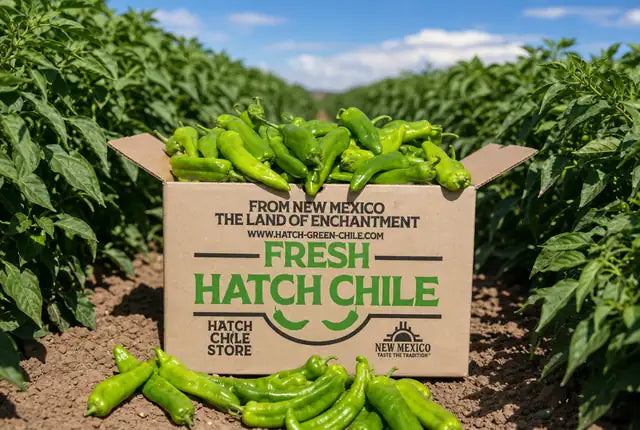
New Mexico chile peppers offer the most complex flavor profiles with distinctive terroir from the Hatch Valley, while California chiles tend toward milder heat with thicker walls ideal for stuffing, and Colorado chiles provide moderate heat with crisp texture suited to high-altitude growing conditions. Each region's unique climate, soil composition, and elevation creates distinct characteristics in their chile pepper varieties, making New Mexico chiles particularly prized for their depth of flavor and the perfect balance of heat and sweetness that can only be achieved in the high desert conditions of the Land of Enchantment.
Regional Growing Conditions and Their Impact
The chile peppers from each region reflect their distinct environmental conditions. According to the New Mexico State University Chile Pepper Institute, the Hatch Valley's combination of hot days, cool nights, and mineral-rich soil creates ideal conditions for developing complex flavors and balanced heat levels in chile peppers.
New Mexico: High Desert Perfection
New Mexico's chile-growing regions benefit from several key environmental factors:
- Elevation ranging from 3,800 to 4,200 feet above sea level
- Hot days (often exceeding 90°F) followed by cool nights (dropping to 50-60°F)
- Low humidity levels (typically 20-30%)
- Rich alluvial soil with excellent drainage
- Abundant sunshine with over 310 sunny days per year
These conditions, particularly in the famous Hatch Valley, create the perfect stress environment that concentrates flavors and develops the characteristic heat-to-sweetness ratio that makes New Mexico chiles so distinctive.
California: Mediterranean Influence
California's chile production occurs primarily in the Central Valley and Southern California, where conditions include:
- Lower elevations, typically 200-1,000 feet above sea level
- More moderate temperature swings
- Higher humidity levels
- Longer growing seasons
- Rich, fertile soils with consistent irrigation
According to USDA agricultural reports, these conditions produce chiles with thicker walls, higher water content, and generally milder heat levels.
Colorado: High-Altitude Adaptation
Colorado chile cultivation faces unique challenges and opportunities:
- Higher elevations, often 5,000+ feet above sea level
- Shorter growing seasons due to late spring and early fall frosts
- Intense UV radiation from high altitude
- Significant daily temperature fluctuations
- Lower oxygen levels affecting plant metabolism
Flavor Profiles and Culinary Characteristics
The distinct growing conditions of each region produce chiles with markedly different flavor profiles and culinary applications.
New Mexico Chile Flavor Complexity
New Mexico chiles, particularly those from our family's farms in the Hatch Valley, develop complex flavor profiles that food scientists at NMSU describe as having multiple flavor compounds including:
- Earthy undertones from mineral-rich desert soil
- Sweet notes concentrated by temperature stress
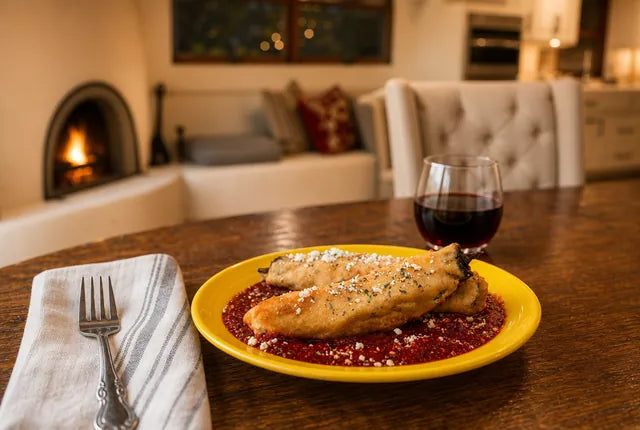
- Smoky characteristics enhanced by traditional roasting methods
- Bright acidity that balances heat and sweetness
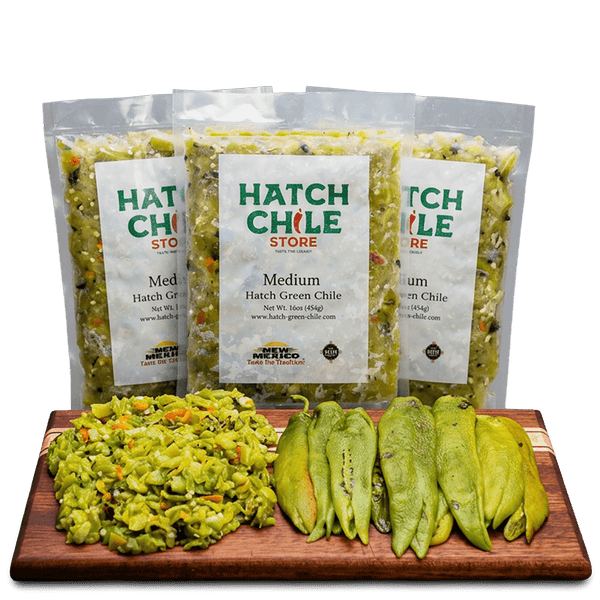
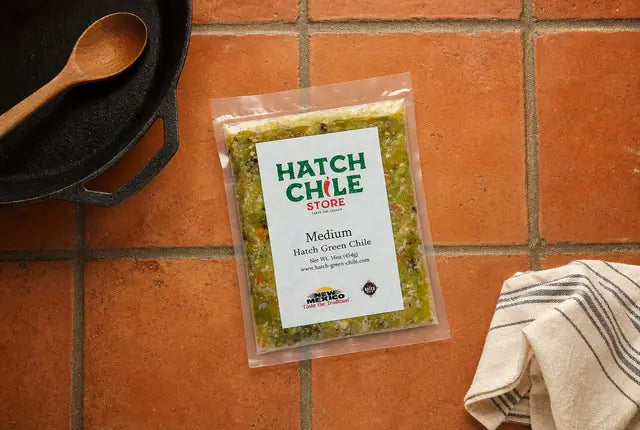
The authentic roasted Hatch green chile grown on our family farm showcases these complex flavors, which develop differently at various heat levels on our Hatch chile heat scale.
California Chile Characteristics
California chiles generally exhibit:
- Milder, more straightforward flavors
- Higher water content creating crisp texture
- Thicker walls ideal for stuffing applications
- Less complex heat development
- Consistent size and appearance
Colorado Chile Attributes
High-altitude Colorado chiles develop:
- Concentrated flavors due to UV stress
- Crisp, firm texture
- Moderate heat levels
- Bright, clean flavor profiles
- Good storage characteristics
Heat Levels and Capsaicin Content
Research published by the Chile Pepper Institute shows significant variations in capsaicin content across regions:
| Region | Average Scoville Range | Heat Characteristics |
|---|---|---|
| New Mexico (Hatch Valley) | About 900 to 12,000+ SHU | Balanced heat with flavor complexity |
| California | 500-3,000 SHU | Mild heat, food-friendly |
| Colorado | 2,000-5,000 SHU | Moderate heat, clean burn |
Dr. Paul Bosland of NMSU's Chile Pepper Institute notes that New Mexico's temperature stress conditions naturally increase capsaicin production while maintaining flavor balance, explaining why our genuine Hatch green chile offers such distinctive heat-to-flavor ratios.
Popular Varieties by Region
New Mexico Varieties
New Mexico has developed numerous distinctive varieties over generations:
- Hatch Big Jim - World record holder for largest chile
- Española Improved - Traditional northern New Mexico variety
- Sandia - NMSU-developed hot variety
- New Mexico 6-4 - Classic mild heat
- Chimayo - Heirloom variety with intense heat
California Varieties
California focuses on varieties suited to their climate and commercial needs:
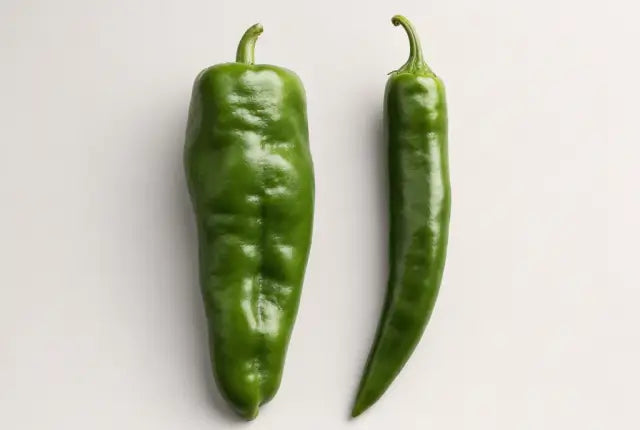
- Anaheim - Mild, large chiles for stuffing
- Fresno - Medium heat, thick-walled
- California Wonder Bell - Sweet pepper variety
- Hungarian Yellow Wax - Mild to medium heat
Colorado Varieties
Colorado growers select varieties adapted to high-altitude conditions:
- Pueblo Chile - Regional specialty variety
- Colorado Green Chile - Local adaptation of New Mexico varieties
- Mirasol - Hardy variety for short seasons
Harvesting and Processing Methods
Each region has developed distinct harvesting and processing traditions that further differentiate their chile products.
New Mexico Traditional Methods
In New Mexico, time-honored practices have been passed down through generations of chile farmers. Our family has grown chile in the Hatch Valley for five generations. The NMSU Cooperative Extension Service documents these traditional methods:
- Hand-harvesting at peak ripeness
- Immediate roasting over open flames
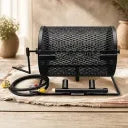
- Traditional barrel roasters for authentic flavor
- Careful sorting by size and heat level
- Proper curing and storage techniques
California Industrial Scale
California's large-scale operations emphasize:
- Mechanical harvesting for efficiency
- Standardized processing methods
- Consistent grading and packaging
- Extended shelf-life processing
Colorado Artisanal Approach
Colorado producers often use:
- Small-batch harvesting
- Local roasting festivals
- Direct-to-consumer sales
- Preservation methods suited to high altitude
Nutritional Differences
According to USDA FoodData Central, chile peppers from different regions show variations in nutritional content based on growing conditions:
- Vitamin C content tends to be highest in high-altitude chiles due to UV stress
- Capsaicin levels vary significantly based on temperature stress during growing
- Mineral content reflects soil composition of each region
- Water content affects concentration of nutrients per gram
New Mexico chiles typically show higher concentrations of beneficial compounds due to the environmental stress factors that concentrate flavors and nutrients.
Choosing the Right Chile for Your Needs
Understanding these regional differences helps you select the perfect chile for your culinary applications:
For Complex Flavor Development
Choose New Mexico chiles when you want depth of flavor and authentic Southwestern cuisine.
For Mild, Food-Friendly Heat
California chiles work well for dishes requiring mild heat and when you need chiles for stuffing or large-format preparations.
For High-Altitude Cooking
Colorado chiles are adapted to high-altitude conditions and work well in mountain communities where other chiles might not perform as expected.
Frequently Asked Questions
What makes Hatch Valley chiles different from other New Mexico chiles?
Hatch Valley chiles benefit from the specific microclimate of the Hatch Valley region, including the unique combination of soil minerals, elevation, and temperature patterns that create the distinctive flavor profile. The valley's alluvial soil and the stress conditions from hot days and cool nights concentrate flavors in ways that other New Mexico regions cannot fully replicate.
Can I grow New Mexico chile varieties in California or Colorado?
While you can grow New Mexico chile varieties in other regions, they will not develop the same flavor characteristics as those grown in their native environment. The terroir of each region significantly impacts the final product, so a Hatch chile grown in California will taste different from one grown in the Hatch Valley.
Which region produces the hottest chile peppers?
New Mexico generally produces chiles with the widest range of heat levels, from very mild to extremely hot varieties like Chimayo chiles. The environmental stress conditions in New Mexico's high desert naturally encourage higher capsaicin production while maintaining flavor complexity.
How do I know if I'm buying authentic regional chiles?
Look for certification of origin, buy from reputable sources that specify growing regions, and understand that authentic regional chiles will reflect the characteristic flavors of their area. For true Hatch chiles, ensure they're grown in the Hatch Valley of New Mexico, not just New Mexico chile varieties grown elsewhere.
What's the best way to store chiles from different regions?
Storage methods vary slightly by region due to different moisture contents and processing methods. New Mexico chiles with lower moisture content store well when properly dried or frozen, California chiles with higher water content are best used fresh or properly processed for freezing, and Colorado chiles typically store well due to their natural adaptation to temperature fluctuations.