







From Sporminore to Hatch: Two Tyrolean Families, One Chile Industry
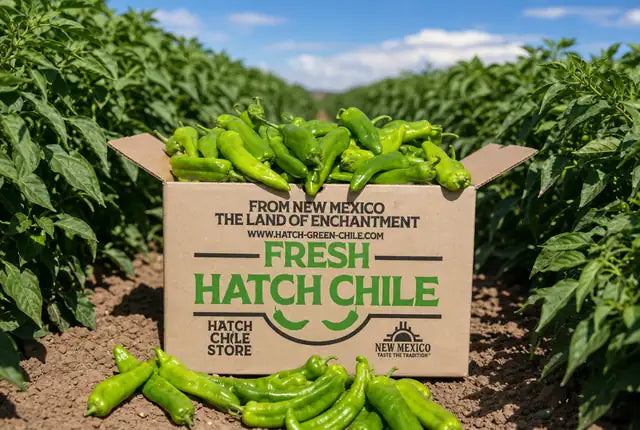
In 1917, Giuseppe "Joseph" Franzoy and his wife Celestina — immigrants from Sporminore, a village in the Tyrol region of the Austro-Hungarian Empire — bought 60 acres of wild land near what would become the village of Hatch, New Mexico. He became the first commercial chile farmer in the Hatch Valley. Six generations later, his descendants are still here, still growing chile.
A Village in the Mountains
Sporminore was a small village in what was then the Austro-Hungarian Tyrol — today part of Trentino, Italy. Italian was the primary language, though the local dialect carried German elements. It was the kind of place young families left when they wanted something the mountains alone could not provide.
Giuseppe Franzoy and the patriarch of the Biada family both came from Sporminore. Both families would eventually settle in the same stretch of southern New Mexico. Neither could have known that the valley they chose would become the most famous chile-growing region in America.
Twelve Years in the Mines, Then 60 Acres
After emigrating, Giuseppe and Celestina spent twelve years working in American mines. In 1917 they finally purchased 60 acres of uncleared land in Salem, New Mexico, just outside what would become the village of Hatch.
That first summer the family lived in a tent while Joseph cleared brush and marshland with his bare hands. Legend has it he scolded his sons for being "lazy" when they used horses to pull stumps.
Joseph did not simply farm chile. He was the first farmer in the valley to grow chile as a commercial crop and transport it to buyers outside the region. He built the road — the cart-and-mule kind, at first — between Hatch Valley and the outside market.
Two Families from One Village
The Franzoys were not the only Sporminore family to put down roots in the valley. Celestina's sister married the patriarch of the Biad family — originally spelled Biada, just as Franzoy was originally Franzoi. The Biads settled nearby outside of Garfield.
The two families built separate but complementary pillars of the chile economy. The Franzoys established commercial chile farming in the Hatch Valley. The Biads went on to help build the dehydrated red chile industry and create the oleoresin extraction industry in southern New Mexico.
Two immigrant families from the same Tyrolean village. Two pillars of the industry that put Hatch on the map.
From Father to Son to Granddaughter
Joseph's son Joe continued the family farm, expanding the operation and deepening the Franzoy name's connection to the valley's identity as chile country. Joseph's daughter Junie married Jim Lytle, a farmer and plant breeder who developed the Big Jim chile variety in partnership with New Mexico State University. Big Jim set a Guinness World Record at 17 inches and became the most widely planted Hatch chile cultivar in the world. It was named after Jim himself.
Joe's daughter Judy Franzoy — third-generation chile farmer — married Bob Berridge, son of Ed "The Old Gringo" Berridge, whose name lives on as the namesake of the O'l Gringo salsa company. With Franzoy heritage on one side and Berridge heritage on the other, their descendants carry chile farming on both sides of the family tree.
The Internet Meets the Farm
Judy and Bob's daughter Barbara married Greg Mitchell, whose father Dennis had founded the only pharmacy in Hatch in the 1980s — bringing vital services to a small town that needed them. Greg continues to run that pharmacy today.
Barbara and Greg's son Preston launched the Berridge Farms website at age 12 — one of the first online farm-to-table chile businesses in the country. What started as a kid's project eventually grew into the Hatch Chile Store.
As Barbara Mitchell, Joseph Franzoy's great-granddaughter, once put it: "The Internet took the place of Great-Grandpa driving with his cart and mule, personally going to each mom-and-pop store and individual homes peddling his wares."
Six Generations and Counting
Today Preston Mitchell serves on the board of the Hatch Chile Association, the nonprofit that protects the authenticity of the "Hatch Chile" designation. His sister Taylor helped build the business in college and is the author of several of the recipes on this site.
The sixth generation — Preston's children, Luke and Emma — are growing up in the same valley their great-great-great-grandfather cleared by hand over a century ago.
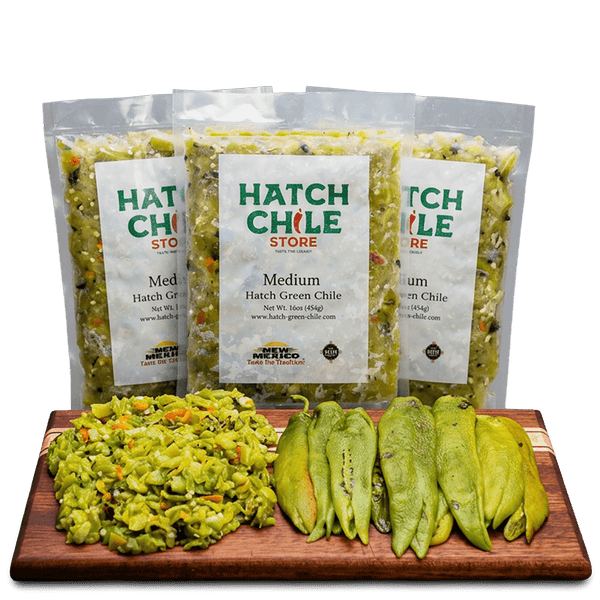
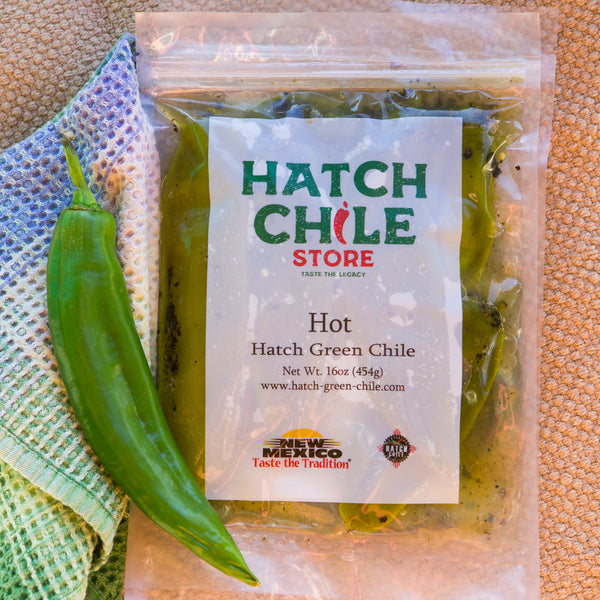
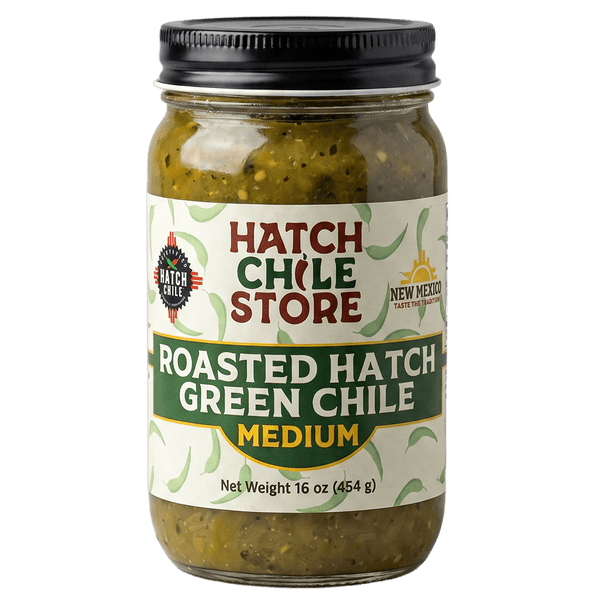
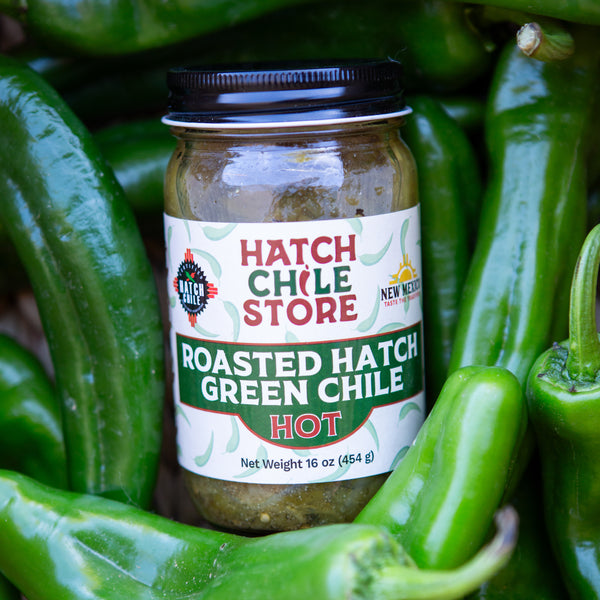
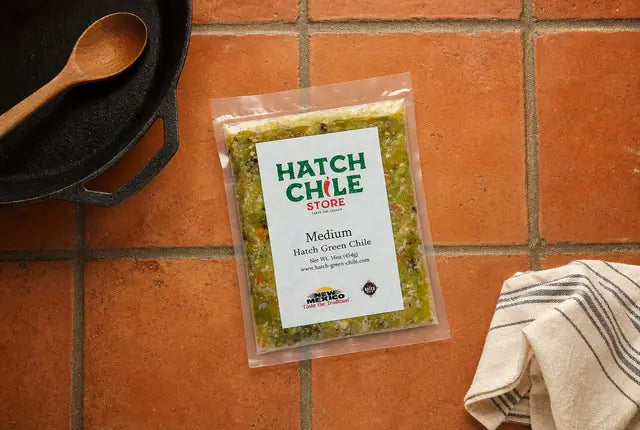
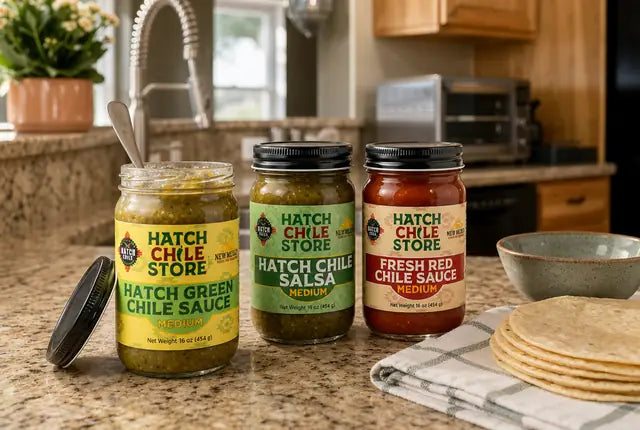
The Hatch Chile Store exists because of a decision Giuseppe Franzoy made in 1917: to stop working in mines, buy rough land nobody else wanted, and grow something in it. Every box of roasted green chile, every jar of salsa, every batch of dried red shipped from this valley carries that decision forward.
Keep Reading
To understand what makes Hatch chile different from any other pepper, read our guide to Hatch chile. For the full family tree and detailed timeline, visit our family's story. And when you are ready to taste what our family's farms produce, start here.