




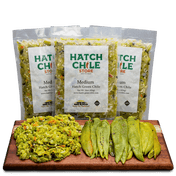


The Flavor Wheel of Hatch Chile: Tasting Notes for Each Heat Level
Hatch chile is not a single flavor — it is a spectrum. Grown exclusively in New Mexico's Hatch Valley, where alkaline soils and wide diurnal temperature swings concentrate sugars and capsaicinoids alike, each heat level of Hatch chile carries its own distinct aroma, sweetness, earthiness, and finish. According to the NMSU Chile Pepper Institute, Hatch chile runs from about 900 Scoville Heat Units (SHU) for mild varieties to 12,000+ SHU for X-Hot Lumbre — and flavor complexity shifts meaningfully across that entire range. Whether you are new to Hatch chile or have been roasting it for decades, understanding those tasting notes helps you cook with intention.
Why Hatch Valley Chile Tastes Different From Every Other Chile
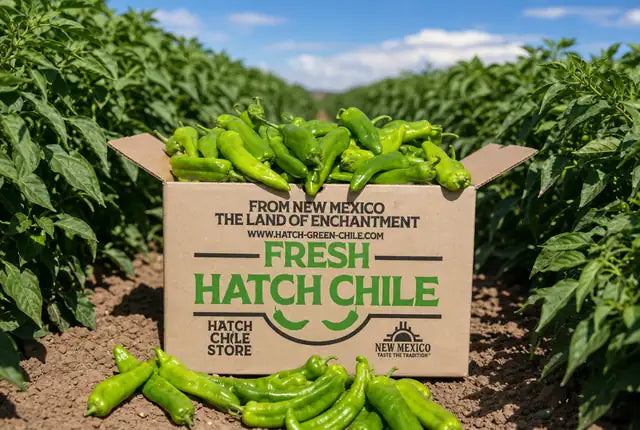
Before we walk through heat levels, it helps to understand why Hatch chile has such a recognizable flavor profile in the first place. Our family has grown chile in the Hatch Valley for five generations. The environment does most of the flavor work.
- Soil mineral content: The Rio Grande alluvial soils in the Hatch Valley are rich in calcium and potassium, both of which support cell wall development and sugar accumulation in the fruit.
- Elevation and sun intensity: Hatch sits at roughly 4,000 feet elevation. Intense UV radiation at this altitude accelerates the production of flavor-active compounds, including carotenoids and chlorophylls.
- Temperature swing: Days routinely reach 95–100°F while nights drop into the mid-50s°F. This stress cycle slows respiration, preserving the sugars the plant produces during the day rather than burning them off overnight.
- Water source: Irrigation from the Rio Grande carries a specific mineral fingerprint that has been linked, anecdotally and in NMSU field research, to the distinctive "terroir" of Hatch-grown pods.
The result is a chile that tastes simultaneously sweeter, earthier, and more complex than chiles grown in similar climates elsewhere in the Southwest.
The Hatch Chile Flavor Wheel: A Heat-Level Breakdown
Think of Hatch chile flavor the way a sommelier thinks about wine — there are primary notes (what you taste first), secondary notes (what develops in the middle of the palate), and a finish (what lingers). The table below gives you a quick reference, followed by deeper tasting notes for each level.
Quick-Reference Flavor Table
| Heat Level | Approx. SHU Range* | Primary Notes | Secondary Notes | Finish |
|---|---|---|---|---|
| Mild | 0–2,000 | Sweet roasted vegetable, corn | Grassy, slight citrus | Clean, brief warmth |
| Medium | 2,000–7,000 | Smoky, roasted tomato | Earthy, green herb | Moderate heat, savory linger |
| Hot | 7,000–11,000 | Bold smokiness, dark mineral | Leather, dried fruit | Long, building burn |
| X-Hot (Lumbre) | 11,000+ | Intense char, rich pepper oil | Cocoa, black pepper | Deep, sustained heat |
*SHU ranges are the ranges for our four heat levels. Heat varies year to year, and individual pods vary based on growing conditions, harvest timing, and roast level.
Mild Hatch Chile: Sweet, Grassy, and Approachable
Our mild green chile is the entry point into the Hatch Valley flavor experience, and it is far more interesting than the word "mild" implies. Before roasting, a fresh mild pod smells of cut grass, cucumber skin, and a faint sweetness reminiscent of a green bell pepper — though the flavor is more layered than any bell pepper delivers.
After roasting, the flavor opens up dramatically:
- Primary: Sweet roasted vegetable — think of the sweetness of roasted corn or caramelized onion
- Secondary: Light herbaceous quality similar to fresh parsley or mild basil, with a fleeting citrus brightness on the sides of the tongue
- Finish: Clean and short, with only a whisper of warmth that dissipates quickly
The USDA FoodData Central database notes that green chile in general is a meaningful source of Vitamin C and Vitamin A — nutrients that also contribute to its fresh, almost fruity character when eaten at peak ripeness. Mild chile lets those fruit-forward notes shine without capsaicin competing for attention on the palate.
Best uses: Chile con queso, egg scrambles, green chile cornbread, pasta sauces, soups for children or guests who prefer gentle heat.
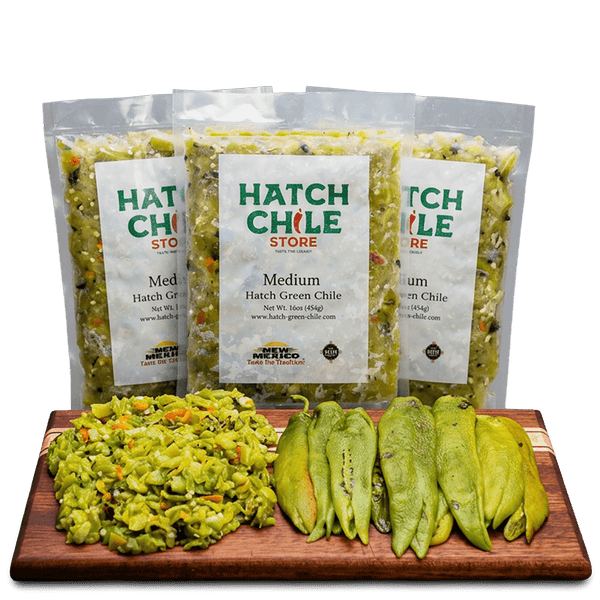
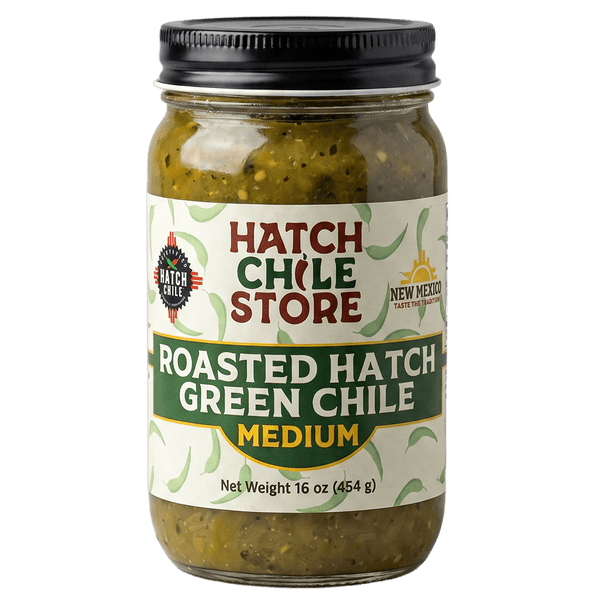
Medium Hatch Chile: The Balanced Workhorse
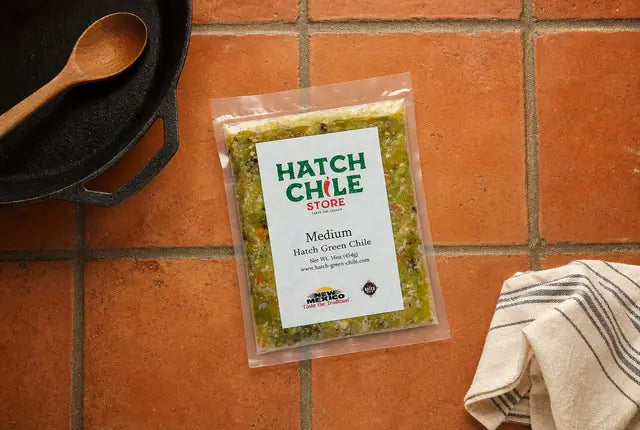
If mild is the sweet opening note, our medium heat green chile is the full chord. This is the heat level our family reaches for most often in everyday cooking — it delivers enough capsaicin to create a genuine sensory event while keeping the complex flavor notes accessible.
- Primary: Deep smokiness from the roast, with an underlying quality similar to roasted Roma tomatoes
- Secondary: Earthy, almost mushroom-like quality in the middle of the palate, with a dried herb note (oregano, thyme) emerging as the chile cools
- Finish: Moderate building heat that peaks around 20–30 seconds after swallowing, paired with a pleasant savory linger
The NMSU Chile Pepper Institute's variety development work — including the breeding program behind popular New Mexico varieties like NuMex Heritage 6-4 — consistently targets this flavor balance: enough sweetness to complement savory dishes, enough heat to provide that signature "Hatch experience."
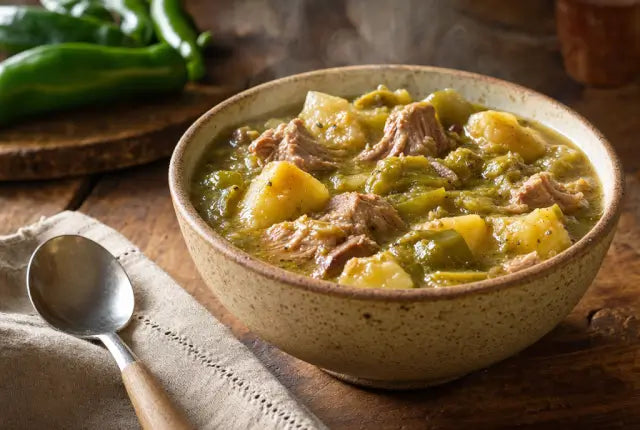
Best uses: Green chile stew (the New Mexico classic), enchilada sauce, burgers, burritos, green chile mac and cheese.
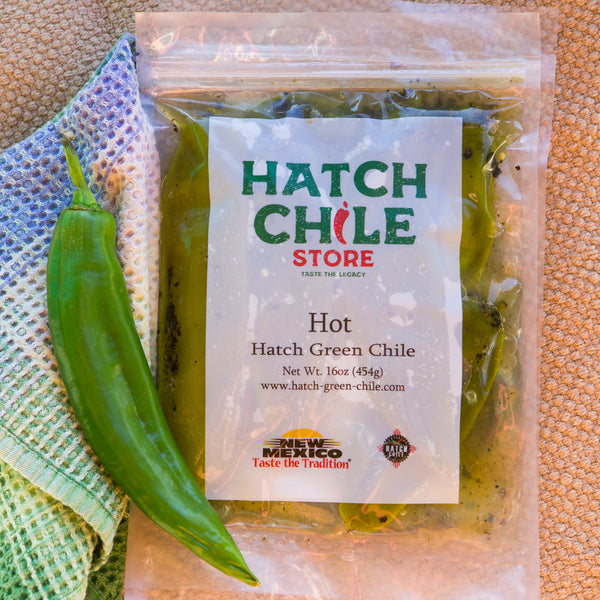
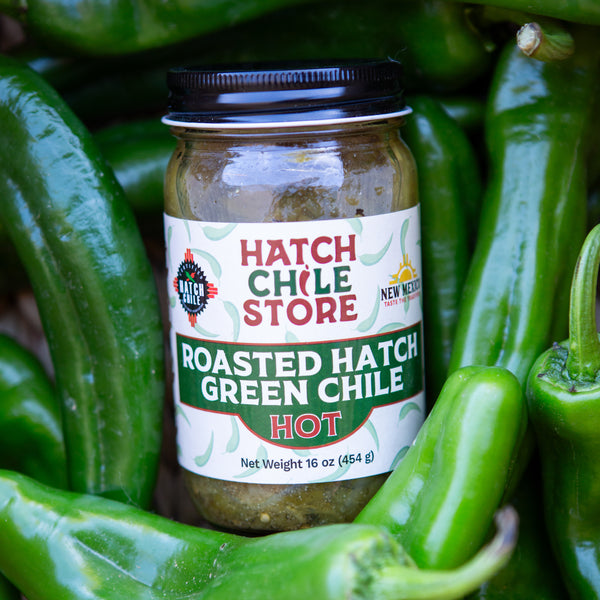
Hot Hatch Chile: Bold, Mineral, and Complex
Our hot green chile is where the flavor profile takes a decisive turn toward the dramatic. Capsaicin at this concentration does something interesting: it acts almost as a flavor amplifier, pushing the smoky and mineral notes that exist quietly in milder chiles to the foreground.
- Primary: Bold, almost charred smokiness — think of the flavor of a wood-fired grill rather than a gas burner — along with a distinct dark mineral quality
- Secondary: Dried fruit undertones (fig, dark raisin) that appear particularly in pods harvested slightly later in the season, plus a leathery depth that lingers pleasantly
- Finish: A long, building heat that works from the tip of the tongue back through the throat, sustained for a full minute or more
Capsaicin's role as a flavor modifier is well-documented in food science literature. Research published in the journal Chemical Senses (Stevenson & Yeomans, 1995) demonstrated that capsaicin enhances the perceived intensity of savory flavors at moderate-to-high concentrations — which is exactly why hot Hatch chile makes a bowl of green chile stew taste more fully dimensional, not just hotter.
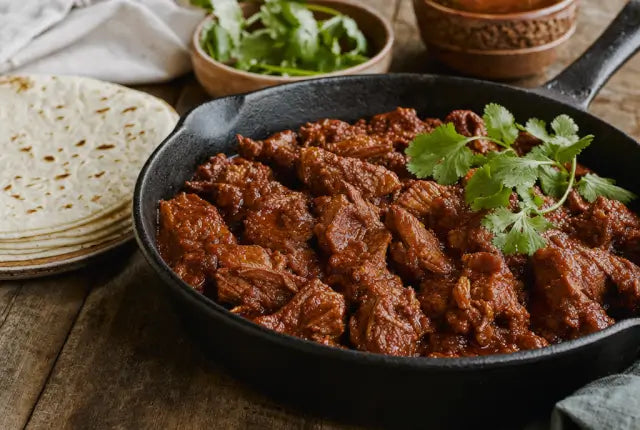
Best uses: Slow-braised meats, posole, salsas intended for heat-lovers, bean dishes, pizza where you want the chile flavor front and center.
Lumbre Hatch Chile: Intense Heat With Surprising Depth
The Lumbre chile is our hottest offering, and it carries a flavor profile that rewards the brave. "Lumbre" means fire in Spanish, and the name is accurate — but what surprises most first-time tasters is how much is happening beneath the heat.
- Primary: Intense char and rich pepper oil on the front palate, with a concentration of flavor that can feel almost thick
- Secondary: Dark cocoa bitterness (similar to 85%+ cacao chocolate) and black pepper spice, emerging after the initial heat wave
- Finish: Deep, sustained heat that radiates through the chest and sinuses, lasting several minutes, with a warm and satisfying afterglow for heat enthusiasts
From a culinary science standpoint, Lumbre's high capsaicinoid content — which runs 12,000+ SHU per NMSU CR706 and varies year to year — also means a very small amount contributes significant flavor. A tablespoon of roasted Lumbre can transform an entire pot of stew.
Best uses: Hot sauces, chile oils, blended with milder chile for a custom heat level, wing sauces, adventurous salsa macha.
How Roasting Changes the Flavor at Every Heat Level
Roasting is not optional with Hatch chile — it is essential to the flavor. The Maillard reaction and caramelization that occur at high heat transform the raw, grassy pods into something with layers of smokiness and sweetness that raw chile simply cannot offer. Our detailed heat scale explains how roast level interacts with heat perception, but here is a quick breakdown of how roasting shifts each flavor category:
- Mild: Roasting converts starches to sugars, amplifying the sweet corn quality
- Medium: Roasting deepens the earthy notes and adds the smoky backbone the variety is known for
- Hot: Roasting intensifies the mineral and dried fruit complexity while moderating the raw green bite
- Lumbre: Roasting adds char depth without diminishing heat — if anything, it concentrates the capsaicinoid density as moisture leaves the pod
Pairing Hatch Chile Flavor Notes With Food and Drink
Food Pairings by Heat Level
- Mild: Cream sauces, mild cheeses (Monterey Jack, ricotta), eggs, sweet corn, chicken
- Medium: Pork, aged cheddar, tomatoes, black beans, potatoes
- Hot: Beef, dark beans, smoked meats, bold cheeses (sharp cheddar, pepper jack)
- Lumbre: Use as a condiment or blending ingredient; pairs with rich fatty proteins (lamb, brisket) that can stand up to the intensity
Beverage Pairings
- Mild and Medium: Mexican lager, unoaked Chardonnay, horchata
- Hot: Amber ale, off-dry Riesling (sweetness counters heat), cold whole milk
- Lumbre: Cold whole milk (casein binds capsaicin), mango lassi, ice-cold pilsner
Frequently Asked Questions
What does Hatch chile taste like compared to a jalapeño?
Hatch chile and jalapeño share a green pepper base, but the similarity ends there. Jalapeños have a bright, sharp heat with a somewhat one-dimensional grassiness. Hatch chile — particularly after roasting — develops a much more layered flavor profile with pronounced smokiness, earthiness, and natural sweetness that jalapeños do not produce. The NMSU Chile Pepper Institute categorizes New Mexico–type chiles as a distinct flavor group from the serrano-jalapeño cluster, reflecting these meaningful differences in aromatic compound composition.
Does a higher heat level mean less flavor, or more?
More heat does not mean less flavor — it means different flavor. Research from Chemical Senses (Stevenson & Yeomans, 1995) demonstrates that capsaicin at moderate-to-high concentrations enhances the perceived intensity of savory flavor compounds rather than masking them. Our hot and Lumbre chiles carry bold mineral, smoky, and even cocoa-like notes that are present in milder varieties but become much more pronounced at higher heat levels. The two dimensions — heat and flavor complexity — rise together in Hatch chile rather than trading off against each other.
How do I know which heat level is right for me?
A good starting point is your current comfort with common hot sauces. If you enjoy Tabasco or mild salsa without discomfort, our mild or medium green chile will feel very approachable. If you regularly eat jalapeños or serrano-based salsas without difficulty, our hot chile will suit you well. Lumbre is genuinely hot, approaching a serrano pepper, and is best for experienced heat-seekers or for blending into sauces and dishes where a small amount goes a long way. Our detailed heat scale page walks through SHU ranges and gives side-by-side comparisons to help you choose with confidence.
Does roasted Hatch chile freeze well without losing its flavor?
Yes — roasted Hatch chile freezes exceptionally well. The key is to freeze the chile while it is still fresh and flavorful, ideally within 24 hours of roasting. Store it in airtight freezer bags with as much air removed as possible. USDA food preservation guidelines recommend a freezer temperature of 0°F or below for long-term storage; at that temperature, roasted Hatch chile retains its flavor, texture, and capsaicinoid content for up to 12 months.
What is the Lumbre variety specifically, and where does it come from?
Lumbre is a New Mexico–type chile variety selected for exceptional heat intensity while retaining the roasted flavor complexity characteristic of Hatch Valley–grown chiles. It was developed through traditional breeding selection rather than genetic modification, building on the long lineage of chile improvement work centered at New Mexico State University. The NMSU Chile Pepper Institute has been the primary research institution behind New Mexico chile variety development since the early 20th century, and Lumbre reflects that heritage — a chile built for serious heat with genuine culinary depth rather than heat alone.