






Vitamin C in Chile Peppers: How Hatch Chile Compares to Oranges
Share
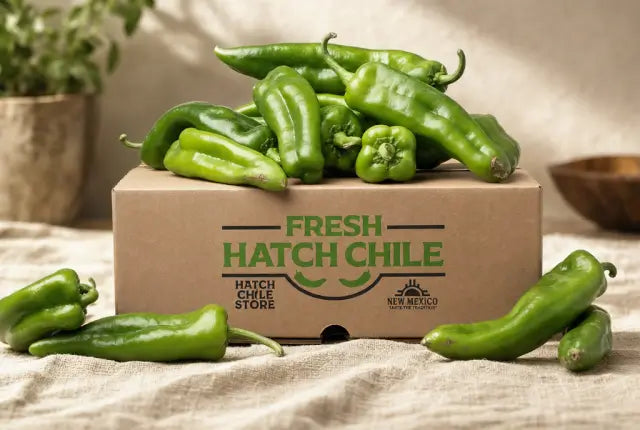
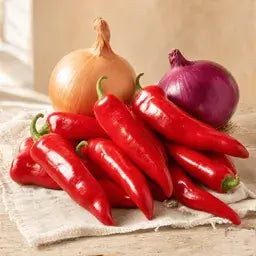
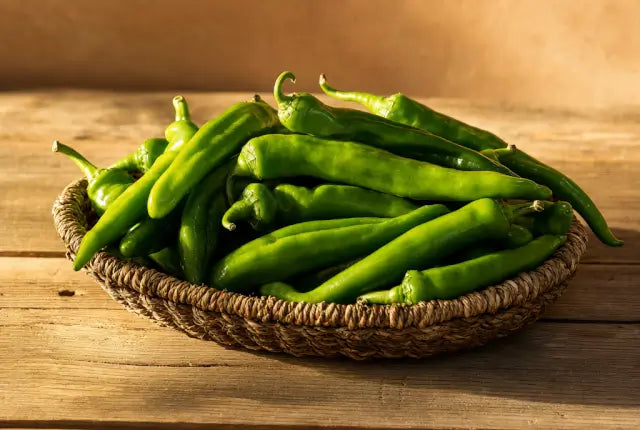
Hatch chile peppers contain significantly more vitamin C than oranges, with a single cup of fresh green chile providing approximately 109 mg of vitamin C compared to 70 mg in a medium orange. This remarkable nutritional profile makes vitamin C in chile peppers a powerful health benefit that many people overlook when considering these flavorful New Mexico treasures from the Hatch Valley.
For five generations, our family has been growing these exceptional chiles in the fertile soils of New Mexico's Hatch Valley, and we've always known they pack more than just heat and flavor. The unique growing conditions in our region—intense sunshine, cool nights, and mineral-rich soil—contribute to the exceptional nutritional density that makes our chiles nutritional powerhouses.
The Science Behind Chile Pepper Vitamin C Content
According to the USDA FoodData Central database, the vitamin C content in chile peppers varies significantly based on variety, growing conditions, and processing methods. Fresh green chiles consistently rank among the highest vitamin C sources in the vegetable kingdom, often surpassing traditional citrus fruits that most people associate with this essential nutrient.
The New Mexico State University Chile Pepper Institute has conducted extensive research on the nutritional composition of chiles grown in the Hatch Valley. Their findings consistently show that the region's unique terroir—a combination of elevation, soil composition, and climate—produces chiles with exceptionally high levels of vitamin C and other beneficial compounds.
Why Fresh Green Chiles Excel in Vitamin C
Fresh green chiles maintain their peak vitamin C content because they're harvested before full maturity. As peppers ripen and turn red, their vitamin C levels typically decrease while other compounds like capsaicin and carotenoids increase. This explains why our fresh green chile varieties are such exceptional sources of this vital nutrient.
The intense sunlight in the Hatch Valley stimulates vitamin C production in the developing peppers. Plants produce vitamin C as a natural antioxidant to protect themselves from UV radiation, and our high-altitude desert environment creates ideal conditions for maximum vitamin C synthesis.
Nutritional Comparison: Hatch Chile vs. Common Vitamin C Sources
To put the vitamin C content of Hatch chiles in perspective, here's how they compare to other well-known vitamin C sources:
| Food Source | Serving Size | Vitamin C (mg) | % Daily Value |
|---|---|---|---|
| Fresh Green Chile (Hatch) | 1 cup chopped | 109 | 121% |
| Orange (medium) | 1 whole fruit | 70 | 78% |
| Red Bell Pepper | 1 cup chopped | 95 | 106% |
| Strawberries | 1 cup | 85 | 94% |
| Kiwi | 1 medium fruit | 64 | 71% |
These values, sourced from USDA FoodData Central, demonstrate that Hatch green chiles provide more vitamin C per serving than most traditional sources. A single serving of our fresh green chiles exceeds the recommended daily intake for vitamin C, which is 90 mg for men and 75 mg for women according to the National Institutes of Health.
Specific Hatch Chile Varieties and Their Vitamin C Content
Different varieties of Hatch chiles grown in our family fields contain varying levels of vitamin C. Research from the New Mexico Chile Association shows these approximate ranges:
New Mexico Big Jim
Our Big Jim variety, known for its large size and mild heat, typically contains 95-115 mg of vitamin C per cup when fresh. These gentle giants make excellent choices for those who want maximum nutrition with minimal heat.
Sandia Variety
The Sandia chiles from our fields contain approximately 100-120 mg of vitamin C per cup. This medium-heat variety developed at New Mexico State University combines excellent flavor with outstanding nutritional value.
Barker's Hot
Our spicier Barker's Hot variety packs around 105-125 mg of vitamin C per cup. The higher capsaicin levels in this variety work synergistically with vitamin C to provide additional health benefits.
Even our mild green chile varieties provide substantial vitamin C, making them perfect for families who want nutritional benefits without overwhelming heat.
How Processing Affects Vitamin C Levels
The method of processing significantly impacts vitamin C retention in chile peppers. Our family has perfected techniques that maximize nutrient preservation while maintaining the authentic Hatch flavor our customers expect.
Fresh vs. Roasted Chiles
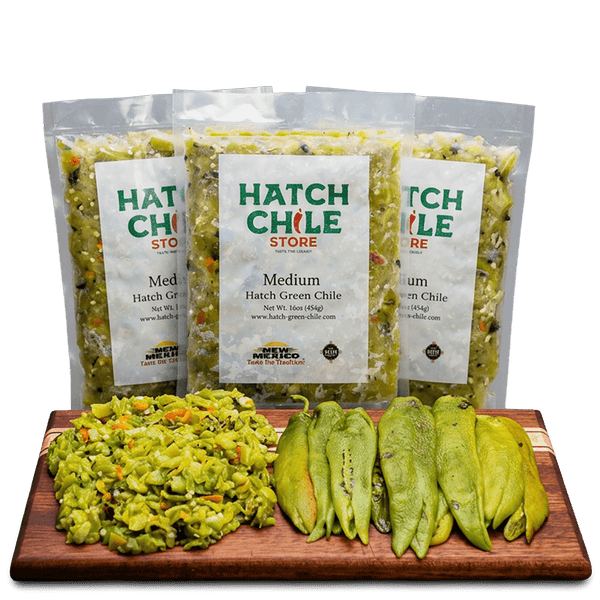
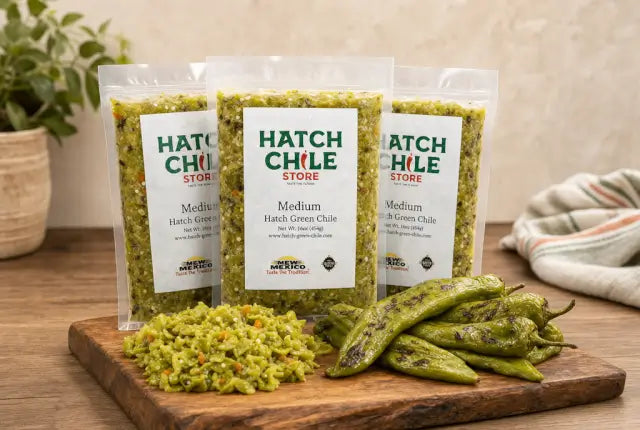
Fresh chiles contain the highest levels of vitamin C, but our roasted Hatch green chile retains approximately 80-85% of the original vitamin C content when properly processed. The roasting process we use—over an open flame for just the right amount of time—minimizes nutrient loss while developing the smoky flavor that makes Hatch chiles so distinctive.
According to research published in the Journal of Food Science, quick roasting at high temperatures actually helps preserve more vitamin C than slower cooking methods. Our traditional roasting technique aligns perfectly with these scientific findings.
Frozen Chile Storage
Properly frozen Hatch chiles maintain 90-95% of their vitamin C content for up to 12 months. We flash-freeze our chiles immediately after roasting to lock in both nutrients and flavor, ensuring you receive maximum nutritional value year-round.
Canned and Jarred Products
While convenient, canned chiles typically retain only 50-65% of their original vitamin C due to heat processing requirements for shelf stability. However, they still provide significant nutritional value and remain excellent sources of other beneficial compounds.
Health Benefits Beyond Vitamin C
While vitamin C content makes Hatch chiles impressive nutritional choices, they provide numerous additional health benefits that complement their vitamin C content:
- Capsaicin: The compound responsible for heat also provides anti-inflammatory and metabolism-boosting properties
- Carotenoids: These antioxidants support eye health and immune function
- Folate: Essential for cell division and DNA synthesis
- Potassium: Important for heart health and blood pressure regulation
- Vitamin A: Crucial for vision and immune system function
The vitamin C in our chiles works synergistically with these other compounds, creating a nutritional profile that supports overall health and wellness.
Maximizing Vitamin C Absorption from Hatch Chiles
To get the most vitamin C benefit from your Hatch chiles, consider these evidence-based tips:
Preparation Methods
- Consume fresh chiles raw when possible for maximum vitamin C content
- Use minimal water when cooking to prevent vitamin C from leaching out
- Add chiles toward the end of cooking to preserve heat-sensitive vitamins
- Store fresh chiles in the refrigerator and use within a week of purchase
Combining with Other Foods
Vitamin C enhances iron absorption, making Hatch chiles excellent additions to iron-rich meals. The natural acids in chiles also help your body absorb other minerals more effectively.
Pairing chiles with healthy fats helps absorb fat-soluble vitamins present in the peppers, creating more complete nutritional benefits from your meals.
Growing Conditions That Maximize Vitamin C
The exceptional vitamin C content in our Hatch chiles results from specific growing conditions unique to the Hatch Valley. Our family farm benefits from:
- High altitude: Increased UV exposure stimulates vitamin C production
- Temperature fluctuations: Cool nights and warm days stress plants beneficially, increasing nutrient density
- Mineral-rich soil: Provides essential nutrients that support vitamin synthesis
- Low humidity: Concentrates nutrients and flavors in the developing fruits
- Intense sunlight: Drives photosynthesis and antioxidant production
These natural advantages, combined with our five generations of farming expertise, produce chiles with consistently superior nutritional profiles. You can learn about our family farm and our commitment to sustainable growing practices that preserve both soil health and nutritional quality.
Seasonal Variations in Vitamin C Content
Research from the New Mexico State University Chile Pepper Institute shows that vitamin C levels in Hatch chiles vary throughout the growing season. Early season chiles, harvested in late August, typically contain the highest vitamin C levels. As the season progresses into September and October, vitamin C content may decrease slightly, but other beneficial compounds often increase.
Our harvest timing maximizes nutritional value while ensuring optimal flavor development. We monitor each field individually to determine the perfect harvest moment for each variety.
Storage and Handling for Vitamin C Preservation
Proper storage significantly impacts vitamin C retention in fresh chiles:
- Store fresh chiles in perforated plastic bags in the refrigerator
- Avoid washing until ready to use, as excess moisture accelerates vitamin degradation
- Use within 7-10 days of purchase for peak vitamin C content
- Freeze surplus chiles immediately to preserve nutrients
Light exposure also degrades vitamin C, so we package our fresh chiles in protective containers that shield them from fluorescent lighting during transport and display.
Frequently Asked Questions
Do red Hatch chiles contain less vitamin C than green ones?
Yes, red Hatch chiles typically contain 20-30% less vitamin C than their green counterparts because vitamin C levels naturally decrease as peppers ripen and mature on the plant. However, red chiles develop higher levels of other beneficial compounds like lycopene and beta-carotene.
How does the vitamin C in dried Hatch chile powder compare to fresh chiles?
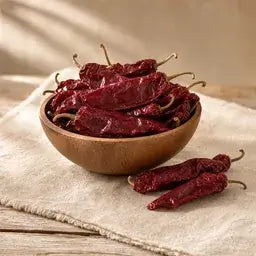
Dried Hatch chile powder retains only about 15-25% of the original vitamin C content due to the dehydration process and exposure to heat and light. While dried chiles offer concentrated flavor and other nutrients, fresh or properly frozen chiles are much better sources of vitamin C.
Can you get too much vitamin C from eating Hatch chiles?
Vitamin C is water-soluble, so excess amounts are typically excreted through urine rather than stored in the body. The tolerable upper limit for vitamin C is 2,000 mg daily for adults, which would require consuming approximately 18 cups of fresh Hatch chiles, making overconsumption from food sources extremely unlikely.
Do pickled or canned Hatch chiles provide the same vitamin C benefits?
Pickled and canned Hatch chiles retain significantly less vitamin C than fresh or frozen varieties due to heat processing and acidic environments that degrade the vitamin. They typically contain 40-60% less vitamin C but still provide other nutritional benefits including minerals and antioxidants.
How long after harvest do fresh Hatch chiles maintain their peak vitamin C content?
Fresh Hatch chiles maintain approximately 90% of their vitamin C content for the first 5 days after harvest when properly stored in refrigerated conditions. After that, vitamin C levels decline by about 5-10% per day, which is why we prioritize quick shipping and proper cold chain management for our fresh chile products.