












Why Your Fresh Chile Is Late: Curly Top, Leaf Miners and the 2026 Hatch Harvest
From Preston Mitchell, Hatch Green Chile — a plain account of why fresh orders are running behind this season, drawn from our field reports of July 13, August 4 and August 17, 2026.
The short version
Every pending fresh order will ship. What we cannot promise right now is the week. Two field problems arrived on top of each other this season: beet curly top virus in the early transplant fields, and then a leaf miner outbreak across southern New Mexico. Together they cut yields hard, pushed our picking schedule around, and left us with pods that need more time on the plant before they meet the standard we pack to.
Where each heat stands
- Mild — all shipped.
- Hot — most shipped; about one in three of the hot orders still in line are waiting for the next pick.
- Medium — held a week. The medium field was not mature enough to pick this week; it should be ready to pick again next week.
- X-Hot — at least two weeks out.
Curly top: the first hit
Beet curly top virus is carried by the beet leafhopper. In a normal year we see a little of it. In 2026 it showed up more widely than usual in the transplant fields even with low leafhopper activity, and affected fields simply yield less. By early August, curly top had trimmed transplant yields by roughly 20 to 35 percent and shortened many blocks by three to five harvest days. That is what opened the first gap between the transplant harvest and the seeded fields behind it, and the early hot varieties took the harder hit.
Leaf miners: the second hit
Leaf miners are the larvae of a small fly. They tunnel inside the leaf, leaving pale winding trails, and every tunnel is leaf area that stops feeding the plant. A plant with mined leaves grows slower and sets fewer, smaller pods. This season leaf miners accelerated and spread across the region in August; our field reports put yield losses at 40 to 50 percent for most major growers, enough that several packers stopped taking fresh-market lots altogether. The bugs are still in the fields, so the plants are still growing slower than they should.
Why we are waiting instead of picking
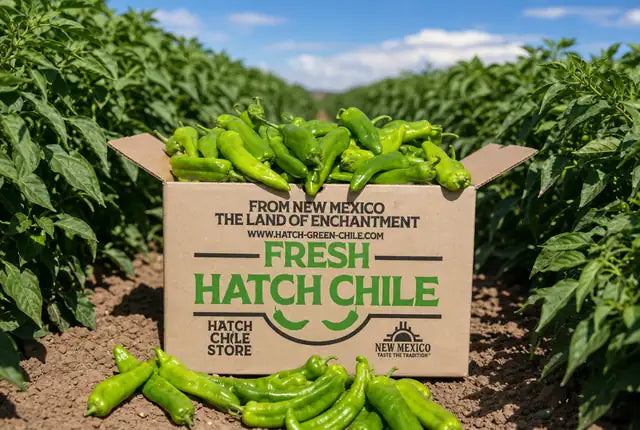
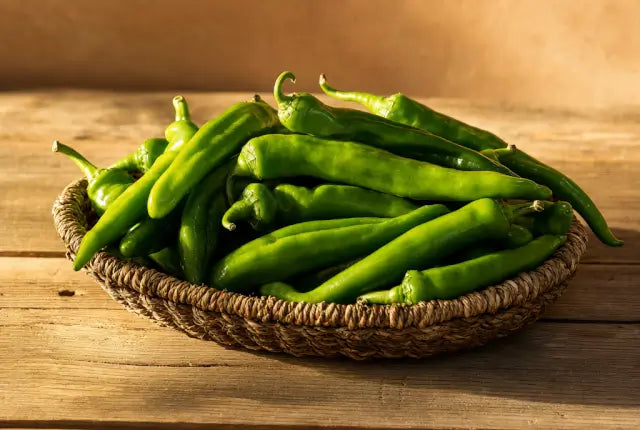
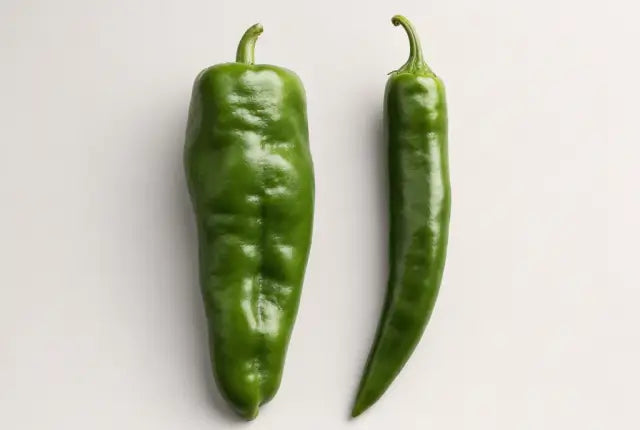
A mature Hatch pod is meaty and firm, with thick walls. This year's chile is coming off the plant with thinner walls and not as firm as it needs to be. We could pick it early, but we would be shipping you a lesser box, and we are not going to do that. Nearly one in three pods we do pick get pulled at the sorting shed for not meeting the standard for your box; they go to the cattle. It truly is a day-by-day struggle on the farm right now.
How the gap cascades
When a block yields less, it is picked out faster. A block we expected to harvest for ten to twelve days is exhausted in about four, so crews move into the next block six to eight days before it is fully mature, which lowers that block's yield too. Eventually no mature block remains and picking pauses until one catches up. That is the pause you are living through.
What happens next
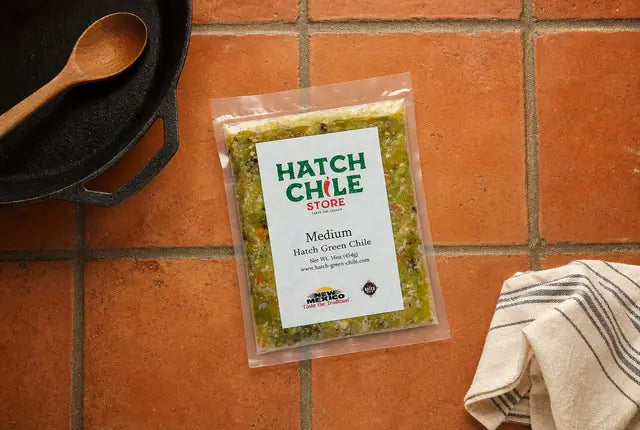
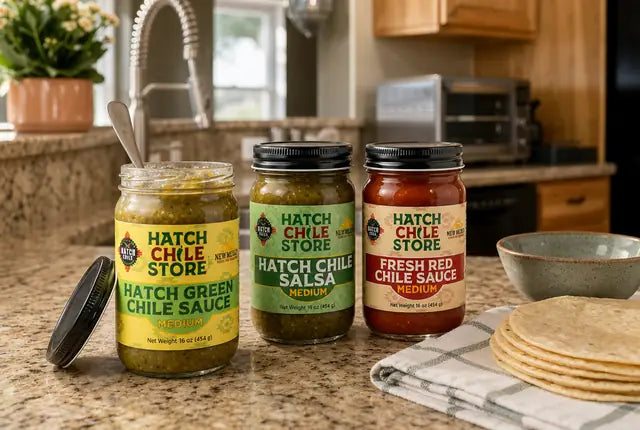
We pick what is good enough to pick, when it is good enough. The Friday your box is up, we email you. The following Wednesday it goes out and tracking starts moving. If you cannot wait, your options page (linked from our email) lets you switch to frozen roasted chile, jars or dry goods with 10% extra store credit, or cancel for a refund. If you can wait: thank you. Later fields have historically brought better appearance and more consistent quality, and the most forgiving window of the season is September through the first frost, typically near the end of October.
Questions? Reply to your notice email, write support@hatch-green-chile.com, or call 575-267-2067, 8am to 5pm MT, Monday through Friday.