





Big Jim vs. Sandia vs. Barker: Hatch Chile Varieties Explained
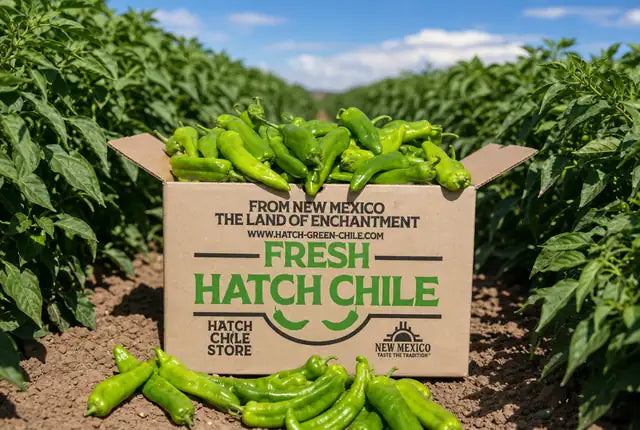
The three most popular Hatch chile varieties grown in New Mexico's Hatch Valley are Big Jim (medium heat, thick-walled, perfect for stuffing), Sandia (hot variety with balanced flavor), and Barker (X-Hot variety with intense heat and rich taste). Each variety offers distinct characteristics in terms of heat level, wall thickness, size, and culinary applications, making them suitable for different cooking methods and heat preferences.
Our family has grown chile in the Hatch Valley for five generations. Understanding the differences between Big Jim, Sandia, and Barker chiles helps you select the perfect variety for your cooking needs and heat tolerance.
Understanding Hatch Chile Variety Classifications
The New Mexico State University Chile Pepper Institute has extensively documented the characteristics of Hatch chile varieties grown in the Hatch Valley region. These varieties are classified not only by their Scoville Heat Unit (SHU) ratings but also by their physical characteristics, growing patterns, and intended culinary uses.
According to NMSU's Chile Pepper Institute research, authentic Hatch chiles must be grown in the specific microclimate of the Hatch Valley, where the high desert conditions, mineral-rich soil, and dramatic temperature swings between day and night create the unique flavor profile that distinguishes these chiles from similar varieties grown elsewhere.
Big Jim Chile: The Medium Heat Giant
Heat Level and Flavor Profile
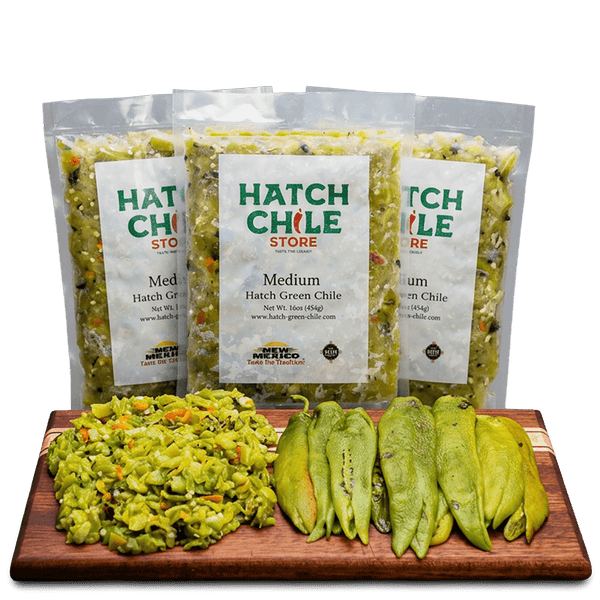
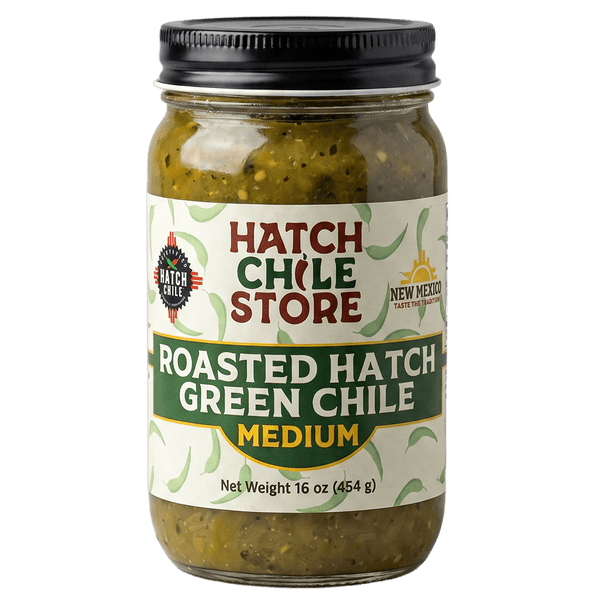
Big Jim chiles measure about 6,500 Scoville Heat Units per NMSU CR706, placing them in the medium heat category on our heat scale reference. The USDA FoodData Central database notes that Big Jim varieties contain moderate concentrations of capsaicin, making them accessible to those who enjoy noticeable heat without overwhelming intensity. Earlier in the 2026 season our Medium boxes were a mix of Big Jim and Charger. Big Jim finished for the year in late September, so Medium boxes shipping now are Charger.
The flavor profile of Big Jim chiles features a sweet, earthy taste with subtle smoky undertones. When roasted, these chiles develop a rich, complex flavor that provides satisfying heat while enhancing rather than overwhelming other ingredients in recipes.
Physical Characteristics
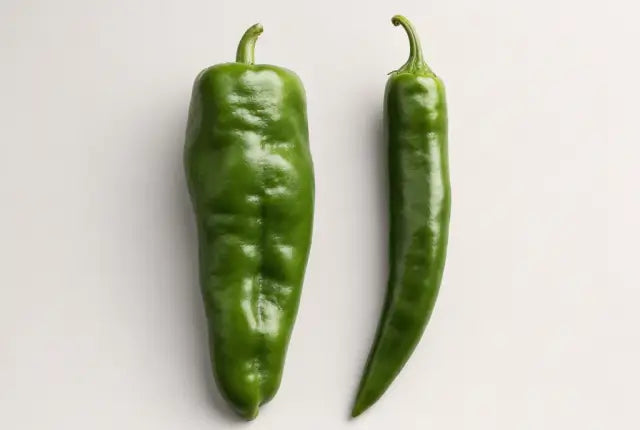
- Size: 6-12 inches in length, often reaching up to 14 inches
- Wall thickness: Exceptionally thick walls, ideal for stuffing
- Shape: Broad shoulders tapering to a point
- Color: Deep green when fresh, red when fully mature
- Skin texture: Smooth, glossy exterior that roasts beautifully
Best Culinary Uses
Big Jim chiles excel in applications where their substantial size and thick walls provide structural integrity. Our customers frequently use Big Jim varieties for:
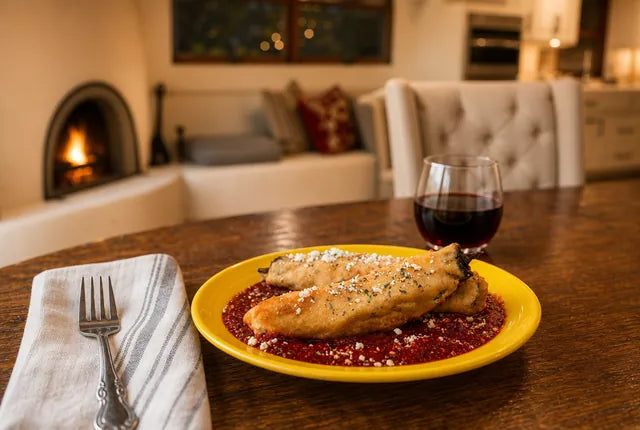
- Chile rellenos (stuffed chiles)
- Roasting and peeling for green chile strips
- Green chile stew base
- Grilling whole as a side dish
- Freezing for year-round use
Sandia Chile: The Hot and Balanced Choice
Heat Level and Flavor Profile
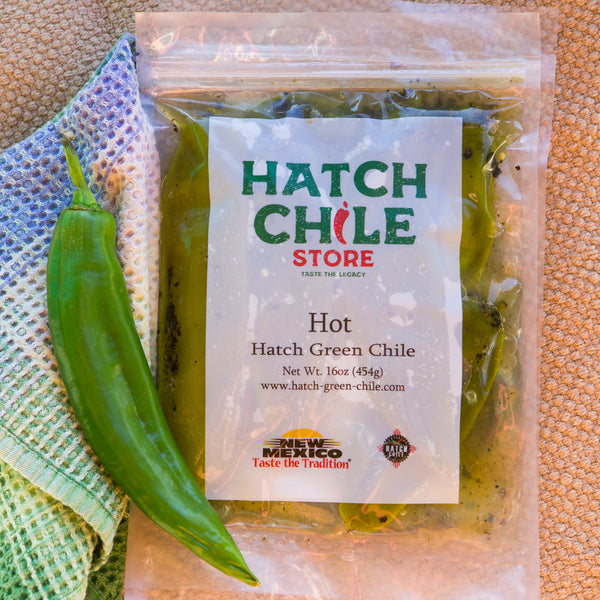
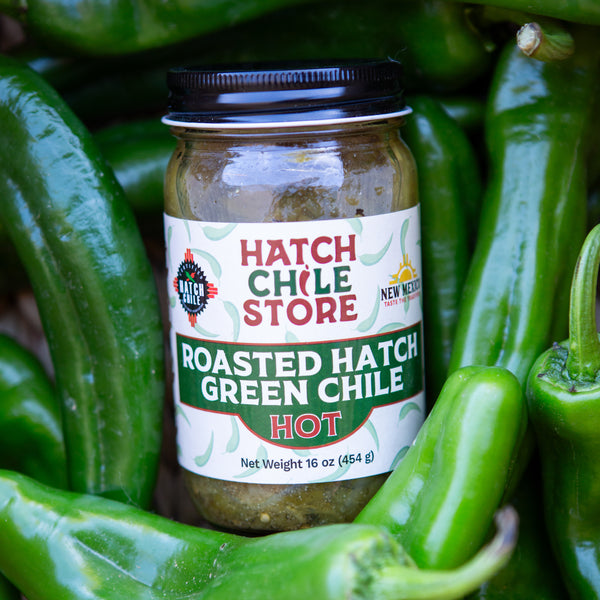
Sandia Select chiles, the Hot variety in our boxes, measure about 9,500 Scoville Heat Units per NMSU CR706, positioning them as a true hot green chile option.
The flavor profile balances significant heat with complexity, offering a bright, slightly tangy taste with pronounced chile flavor. Sandia chiles provide substantial heat that creates warmth and excitement on the palate, making them popular among serious chile enthusiasts.
Physical Characteristics
- Size: 4-7 inches in length
- Wall thickness: Medium thickness, suitable for multiple preparation methods
- Shape: Conical with consistent width
- Color: Bright green with occasional purple striations
- Skin texture: Smooth skin that chars well during roasting
Best Culinary Uses
Sandia chiles offer versatility that makes them popular among both home cooks and professional chefs who appreciate heat. Common applications include:
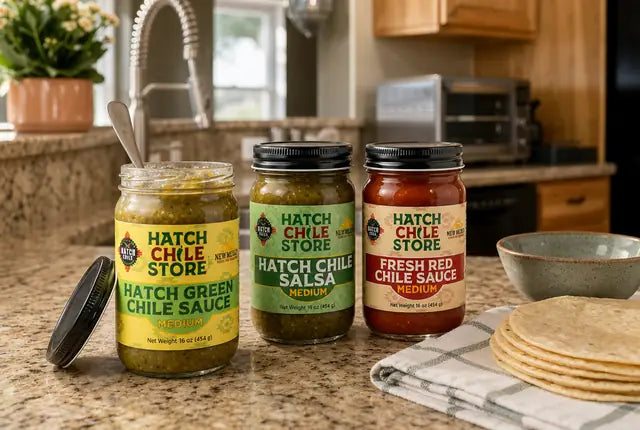
- Hot green chile sauce and salsas
- Chopped fresh in spicy salsas
- Roasted and diced for enchiladas
- Incorporated into soups and stews for heat
- Dried and ground into chile powder
Barker Chile: The X-Hot Champion
Heat Level and Flavor Profile
Barker chiles are in our X-Hot heat level (11,000+ Scoville Heat Units), establishing them as the X-Hot champion of these three popular Hatch varieties.
Despite their intense heat, Barker chiles maintain the characteristic Hatch chile flavor complexity. The heat builds rapidly and intensely, allowing the earthy, slightly fruity undertones to emerge before the capsaicin intensity peaks at extreme levels.
Physical Characteristics
- Size: 3-6 inches in length
- Wall thickness: Medium to thin walls
- Shape: Slender, elongated pods
- Color: Deep green, often with darker green striations
- Skin texture: Thin skin that becomes crispy when roasted
Best Culinary Uses
Barker chiles work best in applications where their extreme heat can be controlled and distributed throughout dishes:
- X-Hot green chile sauce
- Fiery salsas and hot sauces
- Small amounts in milder dishes for intense heat boost
- Dried and used as seasoning
- Mixed with milder varieties to customize heat levels
Side-by-Side Comparison
| Characteristic | Big Jim | Sandia | Barker |
|---|---|---|---|
| Heat Level (SHU) | about 6,500 | about 9,500 | 11,000+ |
| Length | 6-12 inches | 4-7 inches | 3-6 inches |
| Wall Thickness | Very thick | Medium | Medium to thin |
| Best for Stuffing | Excellent | Good | Poor |
| Roasting Quality | Excellent | Very good | Good |
Growing Conditions and Harvest Timing
All three varieties thrive in the Hatch Valley's unique growing conditions, but they have different maturation schedules. According to the New Mexico Department of Agriculture's annual chile reports, Big Jim varieties typically mature 75-85 days after transplanting, while Sandia chiles require 70-80 days, and Barker chiles mature in 65-75 days.
Nutritional Differences
USDA FoodData Central indicates that all Hatch chile varieties provide similar nutritional benefits, including high vitamin C content (often exceeding citrus fruits), vitamin A, and capsaicin. However, the concentration of these nutrients varies slightly between varieties:
- Big Jim: Higher vitamin A content due to thicker flesh
- Sandia: Balanced nutritional profile with high capsaicin
- Barker: Highest capsaicin concentration, providing maximum metabolic benefits
Storage and Processing Recommendations
Each variety requires slightly different handling for optimal results. When you browse all green chile varieties in our collection, consider these storage guidelines:
Fresh Storage
- All three: 4 to 7 days in the fridge, unroasted. Roast and freeze whatever you won't use by then.
Processing Methods
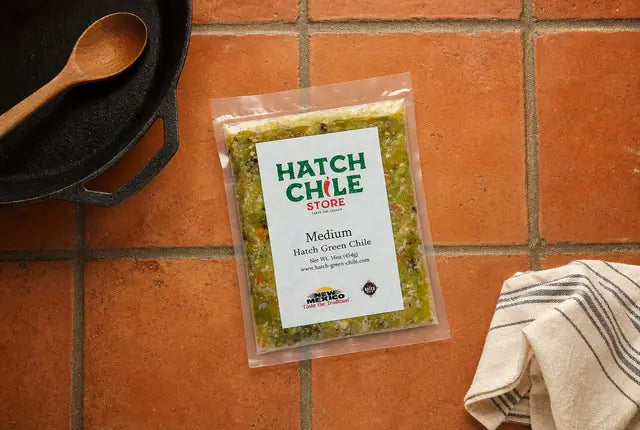
Our roasted Hatch green chile products utilize different roasting times for each variety. Big Jim chiles require longer roasting due to their thick walls, while Barker chiles roast quickly and require careful monitoring to prevent over-charring.
Choosing the Right Variety for Your Needs
Select your ideal Hatch chile variety based on your intended use and heat preference:
- Choose Big Jim if: You plan to stuff chiles, enjoy medium heat, or want maximum flesh-to-skin ratio
- Choose Sandia if: You love hot heat and flavor, need versatility, or cook for heat enthusiasts
- Choose Barker if: You crave extreme heat, make fiery hot sauces, or want to add serious fire to mild dishes
Many of our customers purchase combinations of varieties to create custom heat blends or to have options for different recipes throughout the chile season.
Frequently Asked Questions
Which Hatch chile variety is best for beginners?
Big Jim chiles are ideal for beginners who can handle medium heat due to their manageable heat level, forgiving size for handling, and thick walls that make roasting and peeling easier. Their medium heat allows new chile enthusiasts to enjoy authentic Hatch flavor with noticeable but not overwhelming spice levels.
Can you mix different Hatch chile varieties in recipes?
Yes, mixing varieties is a common practice that allows you to customize heat levels and flavor complexity. Many traditional New Mexican recipes combine medium Big Jim chiles with hotter Sandia or X-Hot Barker varieties to achieve the perfect balance for family preferences.
How do I know if a chile is too hot before cooking with it?
Taste a small piece of the raw chile from the tip area, which typically contains less heat than the veins. Start with tiny amounts and remember that heat intensifies during cooking. You can always add more heat, but you cannot remove it once added.
Do Hatch chile varieties change heat levels when dried?
Heat levels generally concentrate when chiles are dried, making dried varieties approximately 20-30% hotter than their fresh counterparts. Barker chiles become extremely intense when dried, while Big Jim varieties remain at medium heat levels even after dehydration.
Which variety stores best for long-term preservation?
Big Jim chiles store best due to their thick walls and lower moisture content. They freeze exceptionally well after roasting and maintain their texture better than thinner-walled varieties. Sandia chiles also preserve well, while Barker chiles are best used fresh or dried rather than frozen.