










The Capsaicin Science Behind Chile Heat and Pain Relief
Capsaicin, the compound responsible for chile peppers' fiery heat, binds to pain receptors in your mouth and triggers the release of endorphins that can provide natural pain relief throughout your body. This fascinating molecule, found in varying concentrations across different chile varieties including our beloved Hatch chiles from New Mexico's Hatch Valley, serves as both the source of that addictive burn and a scientifically-proven therapeutic agent used in medical treatments worldwide.
Understanding Capsaicin: The Heat-Producing Compound
Capsaicin (8-methylnonenamide) belongs to a family of compounds called capsaicinoids, which are concentrated primarily in the placenta of chile peppers (the veins inside the pod), not in the seeds. According to research from the New Mexico State University Chile Pepper Institute, capsaicinoids evolved as a natural defense mechanism to protect seeds from mammalian consumption while allowing birds—whose digestive systems don't destroy the seeds—to spread them across vast distances.
The concentration of capsaicin varies dramatically between chile varieties. Our family has grown chile in the Hatch Valley for five generations. Soil conditions, weather patterns, and genetic factors all influence heat levels. The USDA FoodData Central database shows that jalapeño peppers typically contain 2,500-8,000 Scoville Heat Units (SHU), while some of our X-Hot green chile varieties run 11,000 SHU or higher.
How Capsaicin Interacts with Your Body
When you bite into a chile pepper, capsaicin molecules bind to TRPV1 receptors (vanilloid receptor 1) located throughout your mouth, throat, and digestive system. Research published in the journal Nature by Dr. David Julius at the University of California, San Francisco, which earned him the 2021 Nobel Prize in Physiology or Medicine, revealed that these receptors normally detect dangerous heat and physical damage.
Capsaicin essentially "tricks" these receptors into thinking your mouth is on fire, even though no actual tissue damage occurs. This binding triggers several physiological responses:
- Release of substance P, a neurotransmitter that signals pain
- Increased blood flow to the affected area
- Activation of the sympathetic nervous system
- Release of endorphins as a natural pain-fighting response
The Scoville Scale and Heat Measurement
Pharmacist Wilbur Scoville developed his heat measurement scale in 1912, initially using human taste testers to determine spice levels. Today, scientists use high-performance liquid chromatography (HPLC) to measure capsaicinoid concentrations with precision.
| Chile Variety | Scoville Heat Units |
|---|---|
| Bell Pepper | 0 |
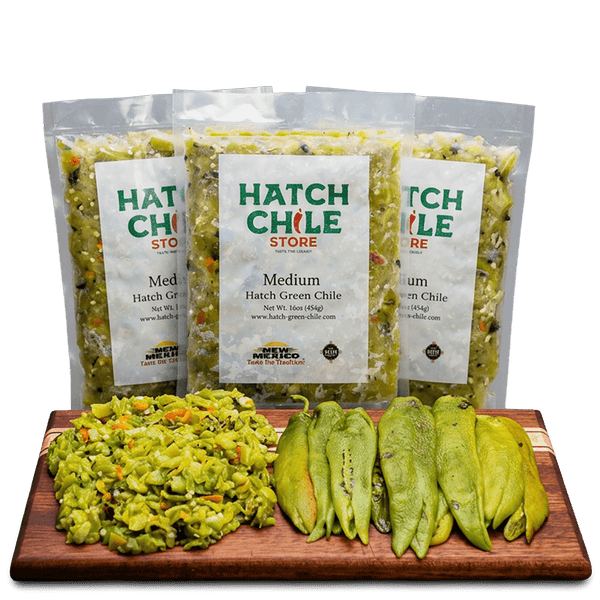
| Hatch Green Chile (Mild) | 0-2,000 |
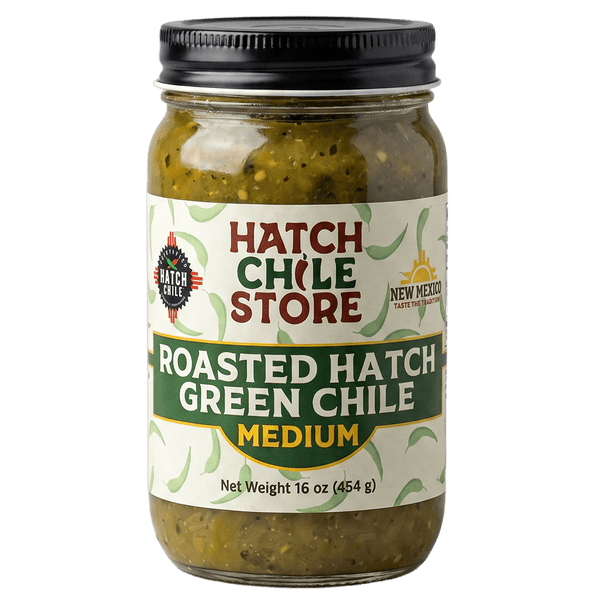
| Hatch Green Chile (Medium) | 2,000-7,000 |
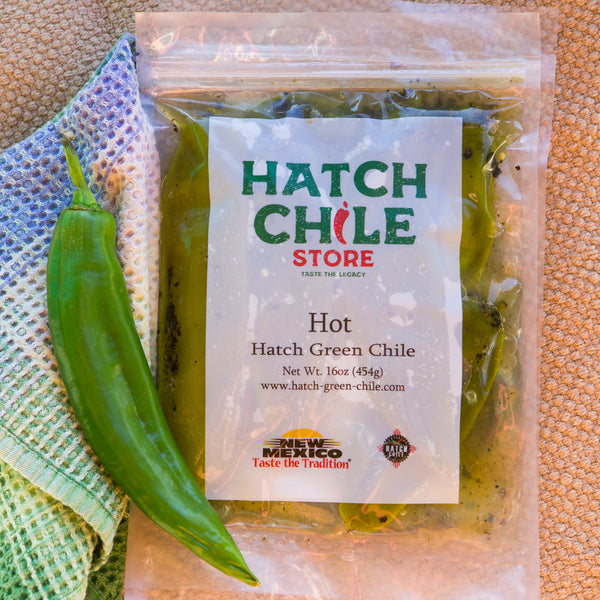
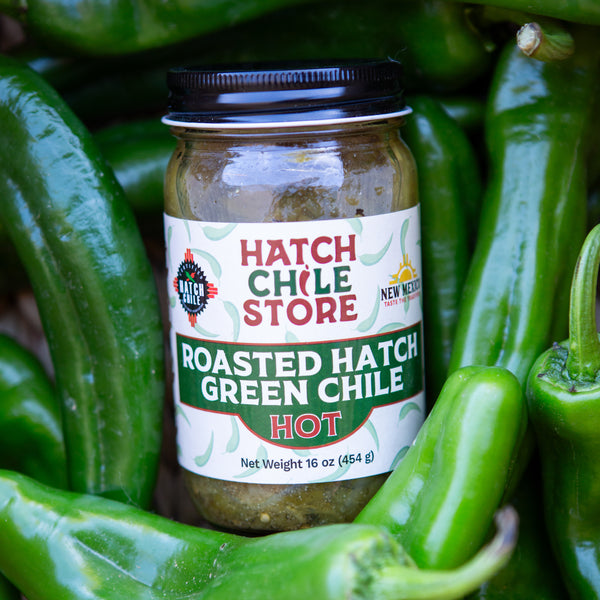
| Hatch Green Chile (Hot) | 7,000-11,000 |
| Hatch Green Chile (X-Hot) | 11,000+ |
| Habanero | 100,000-350,000 |
Understanding where your favorite chiles fall on our chile heat scale helps you choose the right variety for both culinary enjoyment and potential therapeutic benefits.
Capsaicin's Pain Relief Properties
The same compound that causes chile peppers to burn your mouth has been extensively studied for its analgesic properties. The American Pain Society published research showing that capsaicin works through a process called "defunctionalization"—repeated exposure depletes substance P from nerve endings, reducing their ability to transmit pain signals.
Clinical Applications of Capsaicin
The FDA has approved several capsaicin-based medications for treating various pain conditions:
- Topical creams (0.025-0.075% capsaicin): Used for arthritis, muscle pain, and neuropathy
- High-concentration patches (8% capsaicin): Applied by healthcare providers for postherpetic neuralgia
- Prescription treatments: For diabetic neuropathy and chronic pain management
A study published in the Journal of Pain Research by Dr. Anesthesia Research Group at Johns Hopkins University found that capsaicin treatments provided significant pain relief for 60-70% of patients with chronic neuropathic pain, with effects lasting 8-12 weeks after treatment.
Natural Endorphin Release
Research from the University of Michigan Medical School demonstrates that consuming capsaicin-rich foods triggers the release of endorphins—your body's natural "feel-good" chemicals. These endorphins not only counteract the initial burning sensation but can provide mood benefits and pain relief throughout your body.
Dr. Zuoxin Wang's research team at Florida State University found that regular consumption of chile peppers was associated with a 13% reduction in total mortality, potentially due to capsaicin's anti-inflammatory properties and cardiovascular benefits.
Hatch Chile Varieties and Their Capsaicin Content
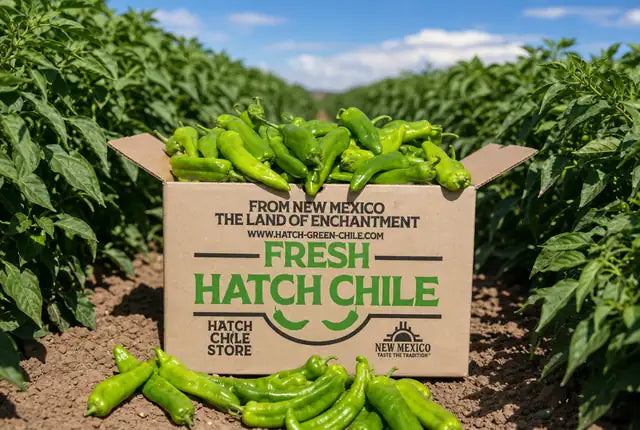
Different Hatch chile varieties contain varying levels of capsaicinoids, influenced by factors including genetics, growing conditions, and harvest timing. Our family grows chile in New Mexico's unique high-desert climate, where stress factors like limited water and intense sunlight can actually increase capsaicin production.
Popular Hatch Chile Cultivars
The New Mexico State University Chile Pepper Institute has developed numerous Hatch chile varieties, each with distinct capsaicin profiles:
- New Mexico 6-4: Mild heat, balanced flavor
- Sandia Select: Hot variety with complex heat, about 9,500 SHU
- Española Improved: Variable heat levels
- Big Jim: Large pods with medium heat
When you shop green chile grown on our family farm, you're getting authentic New Mexico varieties with naturally occurring capsaicinoids that contribute to both flavor and potential health benefits.
Maximizing Capsaicin Benefits
To get the most therapeutic value from chile consumption, consider these evidence-based approaches:
Preparation Methods
Research from the Institute of Food Technologists shows that cooking methods affect capsaicinoid retention:
- Roasting: Preserves 85-90% of original capsaicin content
- Boiling: Can reduce capsaicinoids by 15-25% through water extraction
- Dehydrating: Concentrates capsaicinoids, increasing potency per gram
- Freezing: Maintains capsaicin levels with minimal degradation
Consumption Frequency
Studies published in the American Journal of Clinical Nutrition suggest that regular, moderate consumption of capsaicin-containing foods provides more sustained benefits than occasional high-dose exposure. Starting with milder varieties like our mild green chile and gradually increasing heat tolerance allows your TRPV1 receptors to adapt while maintaining therapeutic effects.
Safety Considerations and Side Effects
While capsaicin offers numerous benefits, it's important to understand potential side effects and contraindications. The American Academy of Dermatology warns that high concentrations can cause skin irritation, and individuals with certain gastrointestinal conditions should consult healthcare providers before increasing chile consumption.
Common side effects of capsaicin exposure include:
- Temporary burning sensation in mouth and throat
- Increased sweating and facial flushing
- Runny nose and increased salivation
- Potential stomach irritation in sensitive individuals
The European Food Safety Authority recommends limiting daily capsaicin intake to 5mg per kilogram of body weight for most adults.
The Future of Capsaicin Research
Ongoing research continues to reveal new therapeutic applications for capsaicin. Scientists at Vanderbilt University are investigating its potential role in cancer treatment, while researchers at the University of Wyoming are studying its effects on metabolic health and weight management.
Recent studies published in Cell Metabolism suggest that capsaicin may help regulate blood sugar levels and improve insulin sensitivity, though more human trials are needed to confirm these effects.
Frequently Asked Questions
How quickly does capsaicin provide pain relief?
Topical capsaicin applications typically begin providing pain relief within 2-4 weeks of regular use, as it takes time to deplete substance P from nerve endings. However, the endorphin release from consuming chile peppers can provide immediate, temporary pain relief and mood enhancement.
Can you build tolerance to capsaicin's pain-relieving effects?
While you can build tolerance to capsaicin's burning sensation, research from the University of California Davis shows that the compound's pain-relieving properties remain effective even with regular use, as the mechanism involves nerve desensitization rather than receptor downregulation.
Are there any medications that interact with capsaicin?
Capsaicin can potentially interact with ACE inhibitors used for blood pressure control and may enhance the effects of certain diabetes medications. The Mayo Clinic recommends consulting with healthcare providers before using capsaicin therapeutically if you take prescription medications.
What's the difference between Hatch chile capsaicin and other pepper varieties?
Hatch chiles contain the same capsaicin molecules as other pepper varieties, but the unique growing conditions in New Mexico's Hatch Valley, including high altitude, intense sunlight, and mineral-rich soil, can influence the overall capsaicinoid profile and concentration levels compared to chiles grown in other regions.
How should I store chile peppers to preserve capsaicin content?
According to USDA storage guidelines, fresh chiles maintain optimal capsaicin levels when stored in the refrigerator at 32-50°F for up to 2-3 weeks. Frozen chiles retain virtually all their capsaicinoids for 6-12 months, while properly dried chiles can maintain potency for 2-3 years when stored in airtight containers away from light and heat.