







Chile Pepper Anatomy: Seeds, Ribs, and Where the Heat Lives
The heat in chile peppers comes primarily from the placental tissue (ribs) and inner walls, not the seeds themselves. This capsaicin-rich tissue, called the placenta, contains the highest concentration of heat compounds and distributes them throughout the pepper. Understanding chile pepper anatomy helps explain why removing the ribs significantly reduces a pepper's heat level.
The Science Behind Chile Pepper Heat Distribution
According to research from the New Mexico State University Chile Pepper Institute, capsaicin and related capsaicinoids concentrate in specific anatomical structures within chile peppers. Dr. Paul Bosland's extensive studies at NMSU have shown that the white placental tissue connecting seeds to the pepper wall contains the highest capsaicin levels—often 10 to 16 times more concentrated than the flesh.
The common misconception that seeds are the hottest part stems from their proximity to this capsaicin-rich placenta. Seeds don't produce capsaicin. The heat is in the veins.
Capsaicin Distribution by Pepper Section
| Pepper Section | Capsaicin Concentration | Heat Level |
|---|---|---|
| Placental tissue (ribs) | Highest (100%) | Most intense |
| Inner wall near ribs | High (60-80%) | Very hot |
| Seeds | None (heat lives in the veins) | Not a heat source |
| Outer flesh | Low (5-15%) | Mild to moderate |
| Skin | None | Not a heat source |
Understanding Chile Pepper Anatomy
A chile pepper's structure consists of several distinct parts, each serving specific functions in the plant's reproductive cycle and contributing differently to the overall heat experience.
The Pericarp (Pepper Wall)
The pericarp forms the main body of the pepper and consists of three layers: the outer skin (exocarp), the fleshy middle layer (mesocarp), and the inner wall (endocarp). The endocarp, closest to the seeds and placental tissue, typically contains more capsaicin than the outer layers. This explains why our hot green chile varieties show heat variation even within individual peppers.
The Placenta and Ribs
The placenta, commonly called ribs or veins, extends from the stem end toward the tip of the pepper. These white, spongy structures serve as the pepper's capsaicin factories. According to USDA Agricultural Research Service studies, specialized cells called blistering cells within the placental tissue produce and store capsaicinoids.
How Growing Conditions Affect Heat Distribution
Environmental factors significantly influence both overall heat levels and how capsaicin distributes throughout chile peppers. The New Mexico State University Chile Pepper Institute has documented how stress conditions affect capsaicin production in their extensive field studies.
Climate and Capsaicin Production
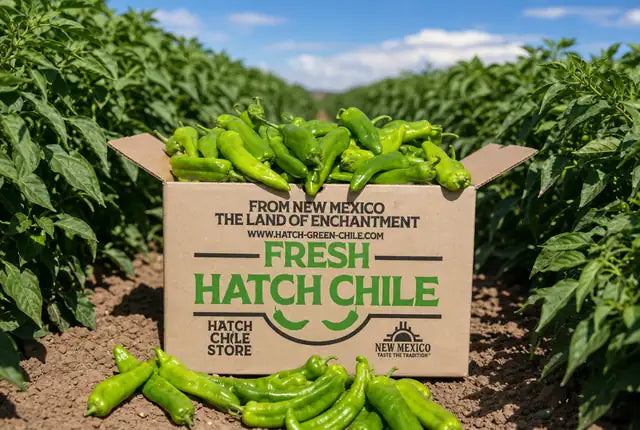
High temperatures and water stress increase capsaicin production, particularly in placental tissue. During hot, dry periods in the Hatch Valley, the peppers in our fields develop more pronounced heat in the ribs while the flesh remains relatively mild. This natural response helps protect seeds from consumption by mammals while still allowing birds, which don't taste capsaicin, to disperse seeds.
- Temperature stress: Daytime temperatures above 90°F increase placental capsaicin concentration
- Water stress: Controlled drought conditions intensify heat in ribs and inner walls
- Soil conditions: Well-draining soils with moderate fertility optimize capsaicin distribution
Varietal Differences in Heat Patterns
Different chile varieties show distinct patterns of heat distribution. Our mild varieties, like those used in our mild green chile, naturally produce less placental capsaicin, while maintaining the characteristic Hatch flavor profile. Hot varieties concentrate intense capsaicin production in the ribs, creating the signature heat our customers expect.
Practical Applications for Chile Preparation
Understanding where heat concentrates helps home cooks and professional chefs control spice levels in their dishes. This knowledge becomes particularly valuable when working with our roasted Hatch green chile, where heat levels can vary between individual peppers.
Reducing Heat Levels
To minimize heat while preserving flavor:
- Remove all placental tissue: Carefully scrape away white ribs and attached material
- Rinse thoroughly: Cold water removes residual capsaicin from the flesh
- Use outer flesh only: The skin has no capsaicin, and the outer flesh has little
Maximizing Heat Levels
For those seeking maximum heat:
- Include all placental tissue and ribs
- Use inner flesh sections near the ribs
- Avoid rinsing after deseeding
The Hatch Valley Advantage
Our family has grown chile in New Mexico's Hatch Valley for five generations, and local conditions here create unique heat profiles for the peppers in our fields. The high desert climate, with its intense sunshine and cool nights, produces chiles with well-developed placental tissue and concentrated capsaicin production.
The Hatch Valley's elevation of 4,000 feet above sea level, combined with our region's specific soil composition, creates ideal stress conditions that enhance capsaicin development in the ribs while maintaining the sweet, earthy flavor in the flesh. This natural balance explains why Hatch chiles offer such distinctive heat and flavor combinations.
Understanding these anatomical principles helps explain the heat variations you might notice in our chile products. Our heat scale guide provides additional context for selecting the right heat level for your preferences.
Frequently Asked Questions
Do chile pepper seeds actually contain capsaicin?
Chile pepper seeds don't produce capsaicin. The heat is in the veins, not the seeds. Most New Mexicans remove seeds for a cleaner texture, not to cut heat.
Why are some parts of the same pepper hotter than others?
Capsaicin distributes unevenly throughout chile peppers, with the highest concentrations in placental tissue near the stem end. The tip of the pepper typically contains less capsaicin than the shoulder area. Environmental stress during growing also affects capsaicin distribution, creating natural variation within individual peppers.
Can you remove all the heat from a hot chile pepper?
You can significantly reduce heat by removing all placental tissue and inner wall material, but complete heat removal is nearly impossible. Capsaicin molecules penetrate the flesh to some degree, especially in very hot varieties. Removing the ribs takes out most of the heat. Removing seeds is for texture, not heat.
How does roasting affect capsaicin distribution in chiles?
Roasting doesn't significantly change capsaicin levels or distribution patterns, but it can make the placental tissue easier to remove. The high heat of roasting may cause some capsaicin to migrate into the flesh, but the overall heat level remains relatively stable. Roasted chiles often taste milder because the roasting process adds sweet, smoky flavors that balance the heat.
Are Hatch chiles hotter than other New Mexico chile varieties?
Hatch chiles aren't inherently hotter than other New Mexico varieties, but growing conditions in the Hatch Valley can intensify capsaicin production in the placental tissue. The valley's specific climate, elevation, and soil conditions create optimal stress factors that enhance heat development while maintaining the characteristic flavor profile that distinguishes Hatch chiles from other New Mexico varieties.