








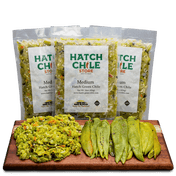


Green Chile vs. Red Chile: What Changes When Chile Ripens
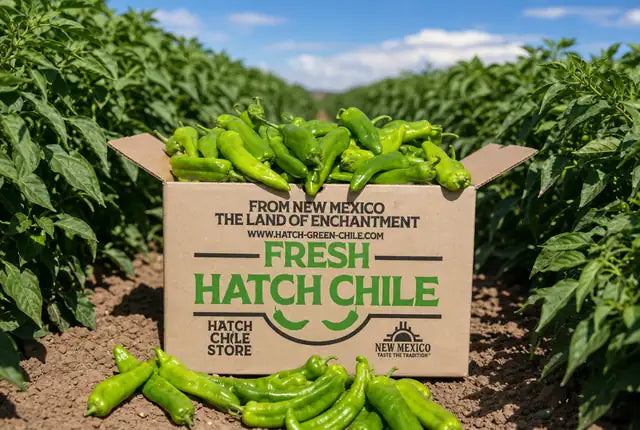
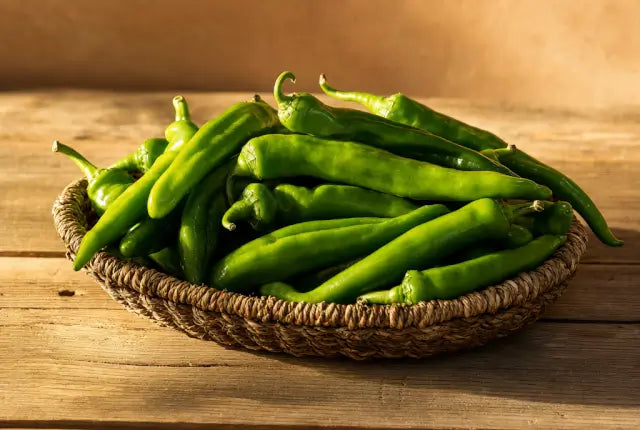
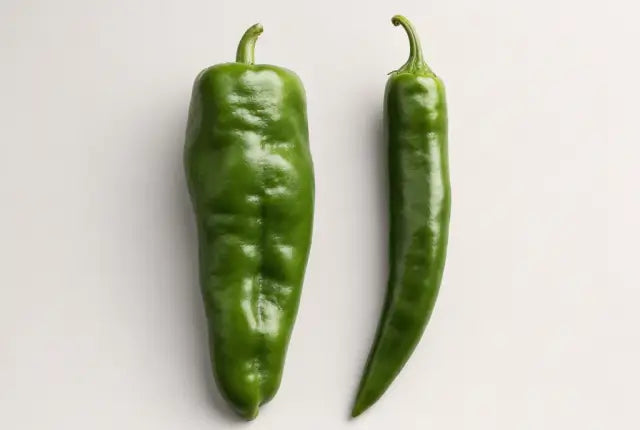
The primary difference between green chile and red chile is ripeness: green chiles are harvested before full maturation, while red chiles are allowed to ripen completely on the plant. This fundamental timing difference creates dramatic changes in flavor, heat level, texture, and nutritional content that transform the same pepper variety into two distinct culinary ingredients.
Here in New Mexico's Hatch Valley, our family has grown chile for five generations. Understanding these differences helps you choose the right chile for your cooking needs.
The Science Behind Chile Ripening
According to research from the New Mexico State University Chile Pepper Institute, the ripening process involves complex biochemical changes that affect every aspect of the pepper. As chiles mature on the plant, several key transformations occur:
- Capsaicin distribution: Heat compounds migrate and concentrate differently throughout the pepper
- Sugar development: Natural sugars increase significantly, creating sweeter, more complex flavors
- Cell wall breakdown: Cellular structure changes, affecting texture and drying characteristics
- Pigment production: Chlorophyll breaks down while carotenoids develop, creating the red color
The USDA Agricultural Research Service notes that these changes typically occur over 4-6 weeks, depending on weather conditions and chile variety.
Flavor Profile Differences
Green Chile Characteristics
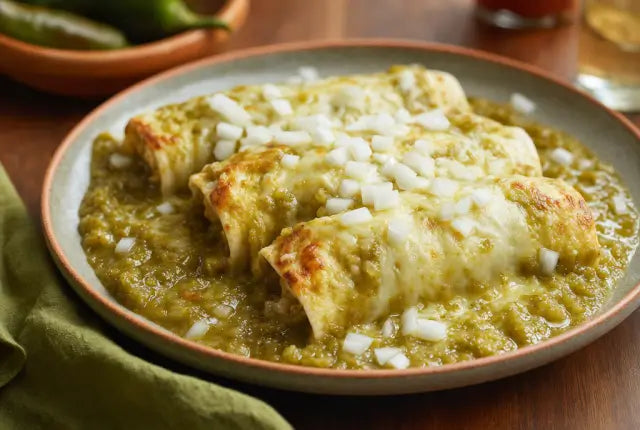
Green chiles deliver a bright, vegetal flavor with grassy undertones and a clean, sharp heat. The New Mexico State University Chile Pepper Institute describes green chile flavor as "fresh and herbaceous" with pronounced acidity that cuts through rich foods effectively.
Key flavor notes in green chiles include:
- Bright, acidic bite
- Fresh, garden-like vegetal notes
- Clean, immediate heat sensation
- Slightly bitter undertones that balance richness
Red Chile Characteristics
Red chiles develop a completely different flavor profile through the ripening process. Research published in the Journal of Food Science shows that fully ripened red chiles contain 2-3 times more natural sugars than their green counterparts, creating a sweet, earthy, and deeply complex taste.
Our customers often describe red chile flavor as:
- Sweet and fruity with raisin-like notes
- Earthy and rich with smoky undertones
- Warm, lingering heat that builds gradually
- Complex spice notes reminiscent of paprika or dried tomatoes
Heat Level Variations
Heat depends on the variety and the year. Green and red chile feel different on the tongue:
| Chile Type | Heat Perception | Heat Location | Duration |
|---|---|---|---|
| Green Chile | Sharp, immediate | Front of mouth, tongue | Quick, clean finish |
| Red Chile | Building, warm | Back of throat, palate | Long, lingering warmth |
Hatch chile heat depends on the variety and varies year to year with the weather. The concentrated flavors in red chiles can make the heat feel more intense and complex.
Nutritional Changes During Ripening
The USDA FoodData Central database reveals significant nutritional differences between green and red chiles. As chiles ripen, their vitamin and antioxidant profiles change dramatically:
Vitamin Content Comparison
Raw, the two differ less than most people expect:
- Vitamin A: Raw green chile has 59 mcg per 100g and raw red has 48 mcg
- Vitamin C: Green chiles have more ascorbic acid (243mg per 100g vs. 144mg in red)
- Antioxidants: Red chiles develop higher concentrations of lycopene and other carotenoids
Research from the American Chemical Society shows that the antioxidant capacity of red chiles increases by approximately 30% compared to green chiles from the same plant.
Culinary Applications and Uses
Best Uses for Green Chile
Green chile's bright acidity and fresh flavor make it ideal for:
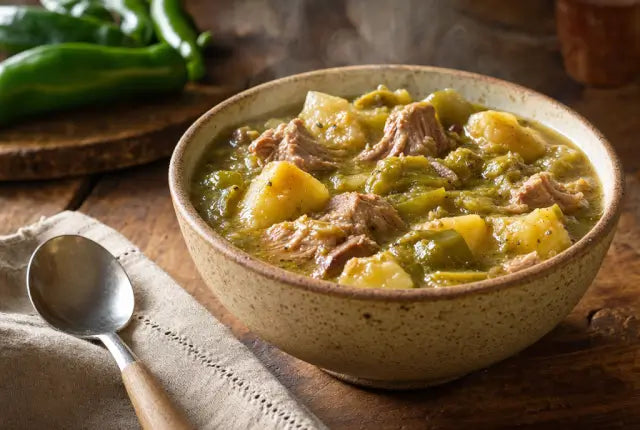
- Green chile stew and posole
- Fresh salsas and sauces
- Stuffed chiles rellenos
- Breakfast dishes and omelets
- Grilled and roasted preparations
The crisp texture of green chiles holds up well to roasting and grilling, developing a smoky sweetness while maintaining structural integrity.
Best Uses for Red Chile
Red chile's complex, sweet heat works perfectly in:
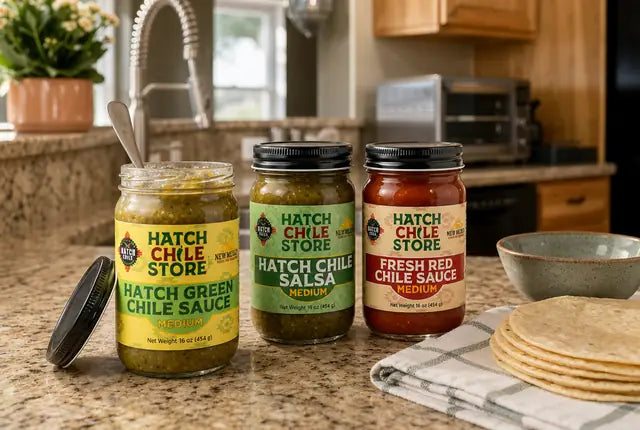
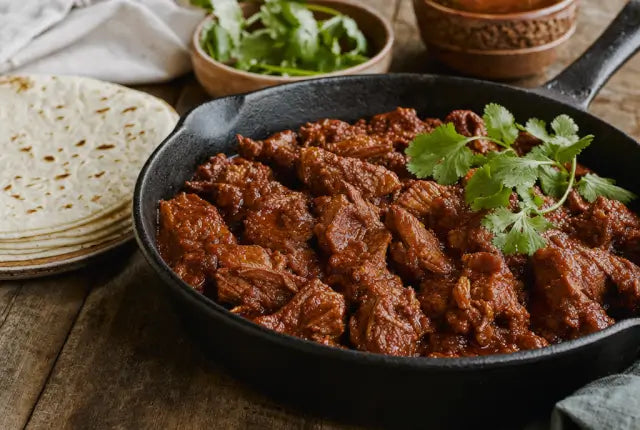
- Traditional red chile sauce and enchilada sauce
- Slow-cooked stews and braises
- Spice rubs and seasoning blends
- Mole and complex sauce preparations
- Dried applications like red chile powder
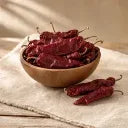
The higher sugar content in red chiles makes them excellent for drying, concentrating flavors even further in products like our dried red chile pods.
Processing and Storage Differences
The structural changes that occur during ripening affect how each type of chile should be processed and stored:
Green Chile Processing
- Higher moisture content requires careful handling to prevent spoilage
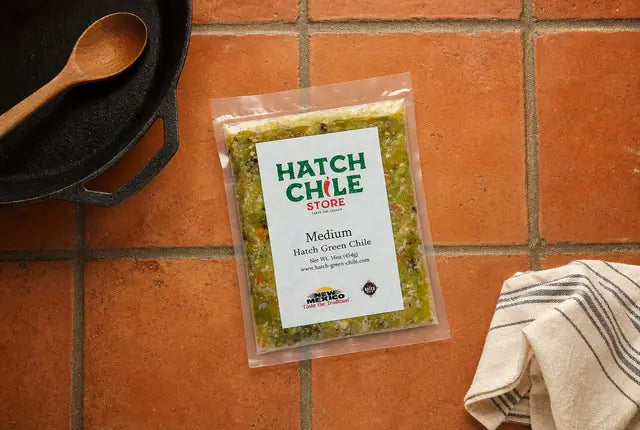
- Best preserved through roasting and freezing
- Can be canned but may lose some texture
- Should be used within days of harvest for optimal flavor
Red Chile Processing
- Lower moisture and higher sugar content make drying easier
- Can be ground into powder while retaining flavor intensity
- Stores well as whole red chile products for months
- Develops deeper flavors through aging and proper storage
Regional and Varietal Considerations
In the Hatch Valley, different chile varieties show varying characteristics when allowed to ripen. For example:
- Big Jim chiles: Develop exceptional sweetness when red
- Española chiles: Show pronounced flavor concentration when fully ripened
- Chimayo chiles: Traditional red variety with distinctive terroir-driven flavors
The unique growing conditions in New Mexico's high desert climate, with hot days and cool nights, contribute to the exceptional flavor development in both green and red Hatch chiles.
Choosing Between Green and Red Chile
Your choice between green and red chile depends on your intended use and flavor preferences:
Choose green chile when you want:
- Bright, fresh flavors that complement rich dishes
- Clean heat that doesn't overwhelm other ingredients
- Crisp texture in cooked preparations
- Higher vitamin C content
Choose red chile when you want:
- Complex, sweet heat with earthy undertones
- Deep, concentrated flavors for sauces and stews
- Ingredients that improve with long cooking times
- Higher antioxidant and beta-carotene content
Frequently Asked Questions
Can you harvest both green and red chiles from the same plant?
Yes, you can harvest both green and red chiles from the same plant throughout the growing season. Our family typically harvests green chiles first in late summer, then allows remaining peppers to ripen to red for fall harvest. This extends the harvest season and provides both varieties from a single plant.
Which type of chile is hotter, green or red?
The variety and growing conditions affect heat level more than ripeness.
How long does it take for green chiles to turn red?
Green chiles typically take 4-6 weeks to fully ripen to red, depending on the variety and weather conditions. In the Hatch Valley, the transition usually begins in late August and continues through October, with cooler nighttime temperatures actually helping to develop the best red color and flavor.
Do red chiles have more nutritional value than green chiles?
Red and green chiles offer different nutritional benefits. Raw, green chile has more vitamin C (243mg vs. 144mg per 100g) and slightly more vitamin A, while red has almost twice the vitamin B6. Both provide antioxidants and health benefits in different ways.