






Hatch Chile vs. Serrano: A Side-by-Side Heat and Flavor Guide
Hatch chile and serrano peppers differ significantly in both heat and flavor: Hatch chiles range from about 900 Scoville units for mild varieties to 12,000+ for X-Hot Lumbre, with a sweet, earthy taste that varies by variety, while serrano peppers consistently deliver 10,000-25,000 Scoville units with a bright, grassy heat. Understanding these differences helps home cooks choose the right chile for their recipes and heat tolerance preferences.
The choice between Hatch chile and serrano peppers often comes down to whether you want the complex, roasted flavors of New Mexico's Hatch Valley or the sharp, immediate heat that serranos provide.
Heat Level Comparison: Scoville Scale Analysis
The most significant difference between these two chiles lies in their heat intensity, measured on the Scoville scale developed by pharmacist Wilbur Scoville in 1912.
Hatch Chile Heat Levels
Hatch chiles grown in the Hatch Valley cover a wide range of heat levels. Our four heat levels are:
- Mild Hatch chiles: 0-2,000 Scoville Heat Units (SHU)
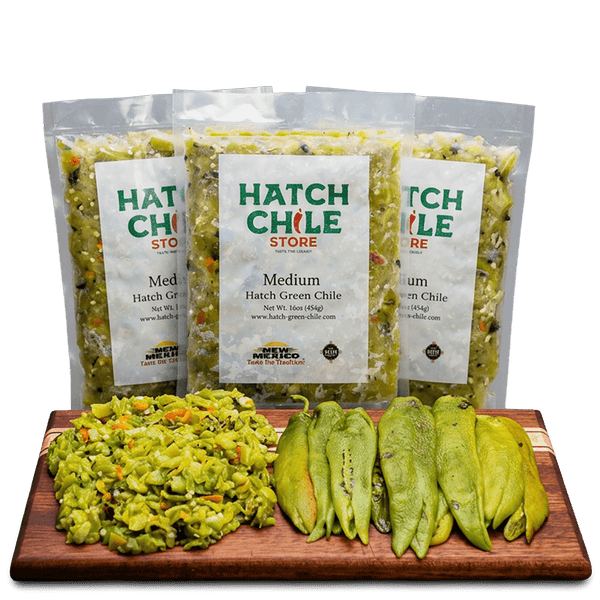
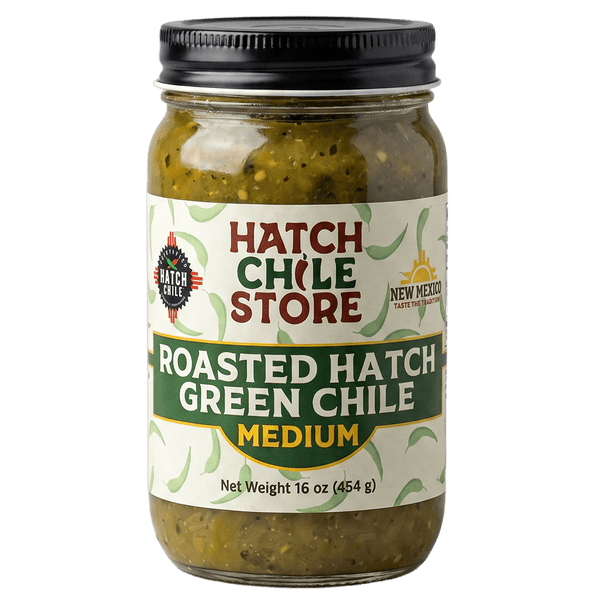
- Medium Hatch chiles: 2,000-7,000 SHU
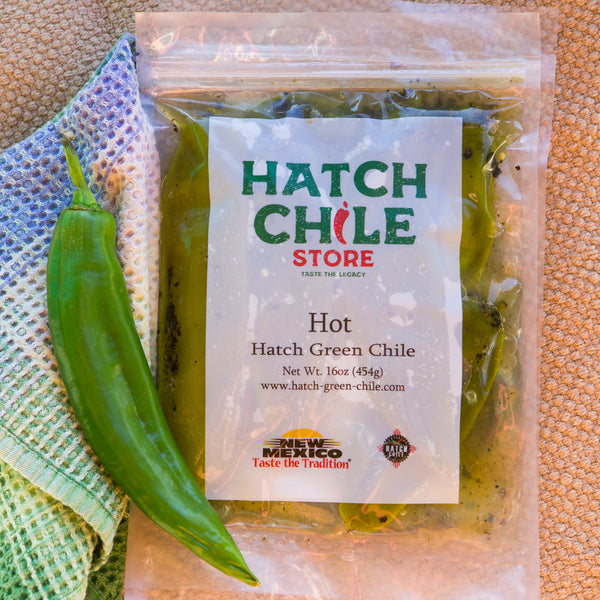
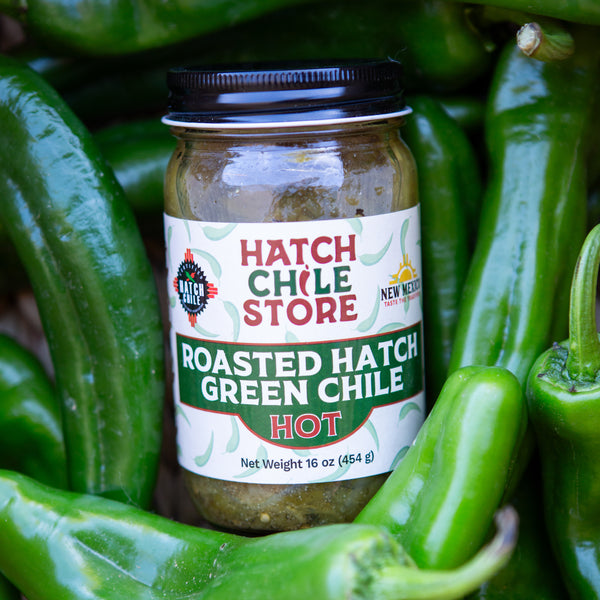
- Hot Hatch chiles: 7,000-11,000 SHU
- X-Hot Hatch chiles: 11,000+ SHU
This range allows cooks to select the exact heat level they prefer. Our heat scale comparison helps customers understand these differences before purchasing.
Serrano Pepper Heat Profile
Serrano peppers maintain a much more consistent heat range, typically measuring 10,000-25,000 SHU according to USDA FoodData Central records. This means even the mildest serrano pepper delivers more heat than most Hatch chile varieties.
| Chile Type | Scoville Range | Heat Level |
|---|---|---|
| Mild Hatch | 0-2,000 SHU | Mild |
| Medium Hatch | 2,000-7,000 SHU | Medium |
| Hot Hatch | 7,000-11,000 SHU | Hot |
| X-Hot Hatch | 11,000+ SHU | X-Hot |
| Serrano | 10,000-25,000 SHU | Very Hot |
Flavor Profile Differences
Beyond heat levels, these chiles offer distinctly different flavor experiences that can transform your cooking.
Hatch Chile Flavor Characteristics
Hatch chiles grown in New Mexico's unique high-desert climate develop complex flavor profiles that change dramatically when roasted. The Chile Pepper Institute notes that the alkaline soil and intense UV exposure in the Hatch Valley contribute to these distinctive taste qualities:
- Raw: Fresh, vegetal notes with subtle sweetness
- Roasted: Deep, smoky flavors with caramelized edges
- Overall profile: Earthy, rich, and complex with mineral undertones
Different Hatch chile varieties also offer unique flavor notes. Our hot green chile provides robust flavor without overwhelming heat, while our X-Hot green chile delivers intense heat alongside deep, roasted flavors.
Serrano Pepper Flavor Profile
Serrano peppers offer a brighter, more straightforward flavor profile:
- Primary notes: Bright, grassy, and herbaceous
- Heat delivery: Quick, sharp burn that hits immediately
- Aftertaste: Clean finish without lingering complexity
Growing Regions and Terroir Impact
The geographic origins of these chiles significantly influence their final taste and heat characteristics.
Hatch Valley Terroir
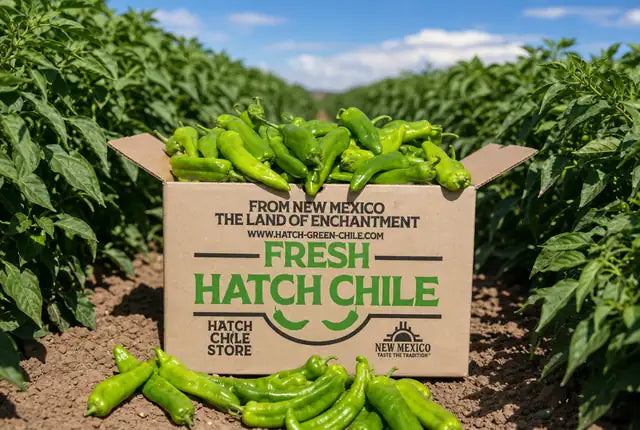
True Hatch chiles must be grown in the Hatch Valley of New Mexico, specifically in Doña Ana County. Research from New Mexico State University's Agricultural Experiment Station identifies several environmental factors that create this region's unique chile characteristics:
- Elevation: 4,000+ feet above sea level
- Soil composition: Sandy loam with high mineral content
- Climate: Hot days, cool nights, and intense sunshine
- Water source: Rio Grande irrigation system
Our family has grown chile in this region for five generations.
Serrano Growing Regions
Serrano peppers grow successfully in various climates, from Mexico's highlands to California's Central Valley and beyond. This adaptability means flavor can vary more based on growing practices than terroir.
Culinary Applications and Recipe Uses
Understanding when to use each chile type enhances your cooking results significantly.
Best Uses for Hatch Chiles
Hatch chiles excel in applications where you want complex, developed flavors:
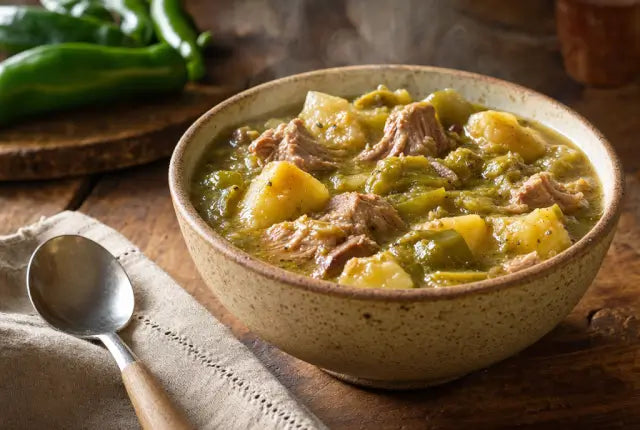
- Green chile stew: The cornerstone of New Mexican cuisine
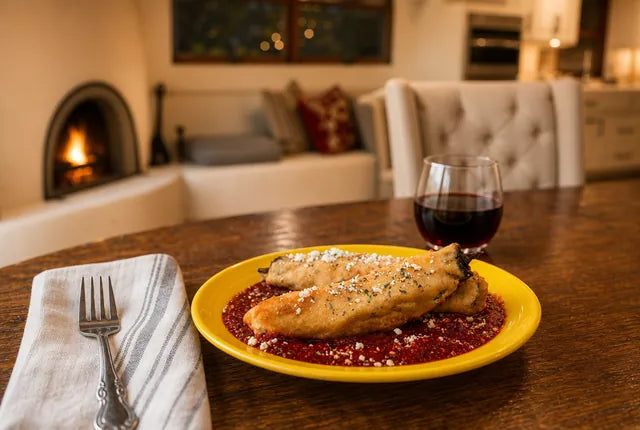
- Chile rellenos: Mild varieties work perfectly for stuffing
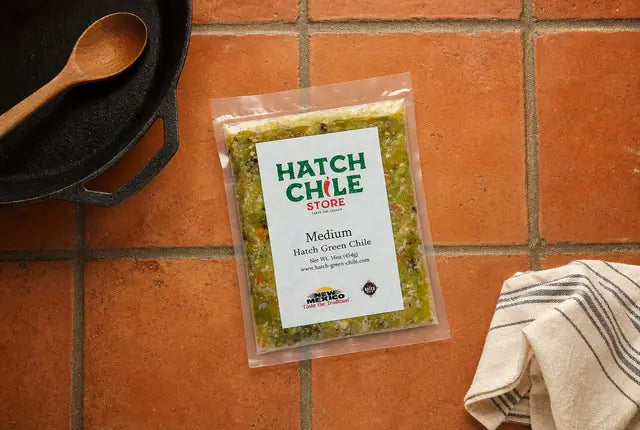
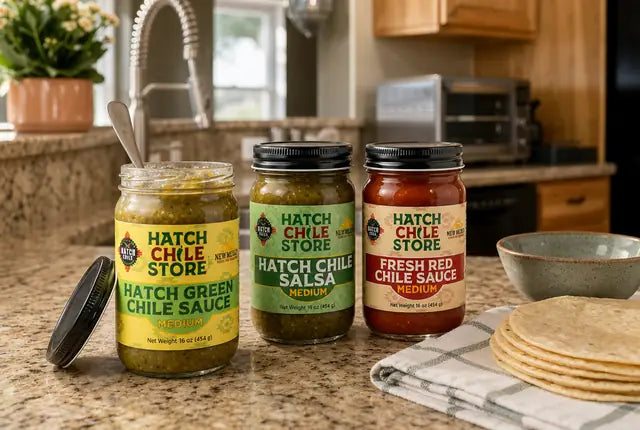
- Sauces and salsas: Roasted Hatch chiles create rich, smoky bases
- Soups and stews: Add depth without overwhelming other ingredients
- Breakfast dishes: Essential for authentic Southwestern flavors
Optimal Serrano Applications
Serrano peppers work best when you want immediate heat and bright flavor:
- Fresh salsas: Provide clean heat without masking other ingredients
- Asian stir-fries: Quick cooking preserves their bright bite
- Hot sauces: Deliver consistent heat levels
- Marinades: Penetrate proteins effectively
- Garnishes: Thin slices add controlled heat to finished dishes
Nutritional Comparison
Both chiles offer impressive nutritional benefits, though with some key differences according to USDA FoodData Central:
| Nutrient (per 100g) | Hatch Chile | Serrano Pepper |
|---|---|---|
| Vitamin C | 190mg | 118mg |
| Vitamin A | 952 IU | 1,179 IU |
| Calories | 30 | 32 |
| Capsaicin | Varies by variety | Consistently high |
Storage and Preparation Methods
Proper handling techniques maximize the potential of both chile types.
Hatch Chile Preparation
Traditional New Mexican preparation methods bring out the best in Hatch chiles:
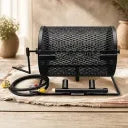
- Roasting: Char over open flame until skin blisters completely
- Steaming: Place roasted chiles in plastic bags for 15 minutes
- Peeling: Remove charred skin while preserving flesh
- Storage: Freeze in portions for year-round use
Serrano Handling Tips
Serrano peppers require different approaches:
- Fresh use: Remove the ribs (veins) to reduce heat
- Safety: Always wear gloves when handling
- Preservation: Pickle, dry, or freeze whole
- Cooking: Add late in cooking process to preserve bright flavors
Substitution Guidelines
When recipes call for one chile type but you have the other available, these conversion guidelines help maintain recipe balance:
Replacing Serrano with Hatch
Use our X-Hot green chile varieties and increase quantities by 50-75% to approximate serrano heat levels.
Replacing Hatch with Serrano
Reduce serrano quantities by half and expect brighter, less complex flavors in your finished dish.
Seasonal Availability
Understanding harvest seasons helps you plan purchases and preserve chiles at peak quality.
Fresh Hatch chiles from New Mexico are available from late July into October. You can browse green chile options year-round through our preserved and frozen selections.
Serrano peppers grow in multiple regions with staggered harvest times, making them available fresh nearly year-round in most markets.
Frequently Asked Questions
Can I substitute serrano peppers for Hatch chiles in green chile stew?
While you can substitute serrano peppers for Hatch chiles in green chile stew, the result will be significantly different. Serranos provide much more heat (10,000-25,000 SHU versus about 900 to 11,000 SHU for most Hatch varieties) and lack the deep, roasted flavor that defines authentic New Mexican green chile stew. Use about half the amount of serranos and expect a brighter, spicier dish without the traditional earthy complexity.
Which chile is better for people sensitive to spicy food?
Hatch chiles are much better for people sensitive to spicy food because they offer mild varieties that range from only 0-2,000 Scoville Heat Units. Even our medium Hatch chiles (2,000-7,000 SHU) provide significantly less heat than the mildest serrano pepper, which starts at 10,000 SHU. Mild Hatch chiles also offer complex flavors without overwhelming heat.
Do Hatch chiles and serrano peppers have the same nutritional benefits?
Both chiles offer excellent nutritional benefits, but with some differences. According to USDA FoodData Central, Hatch chiles contain more Vitamin C (190mg per 100g versus 118mg), while serrano peppers provide slightly more Vitamin A. Both are low in calories and high in capsaicin, which provides anti-inflammatory benefits, though serranos contain consistently higher capsaicin levels due to their greater heat.
Why do Hatch chiles taste different from chiles grown in other regions?
Hatch chiles taste different because they're grown exclusively in New Mexico's Hatch Valley, where unique environmental conditions create distinctive flavors. The high elevation (4,000+ feet), sandy loam soil with high mineral content, hot days with cool nights, and Rio Grande irrigation system combine to produce chiles that cannot be replicated elsewhere. New Mexico State University research confirms these terroir factors significantly influence chile flavor development.
What's the best way to reduce heat in serrano peppers for cooking?
To reduce heat in serrano peppers, remove the white ribs (veins) inside the pepper, since the capsaicin is in the veins, not the seeds. You can also soak sliced serranos in cold water for 30 minutes before cooking, or use smaller amounts and combine with milder ingredients like dairy or acidic components that help neutralize capsaicin. However, even with these techniques, serranos will still provide more heat than most Hatch chile varieties.