




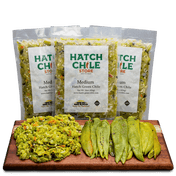


Hatch Chile vs. Thai Chile: Two Heat Profiles Compared
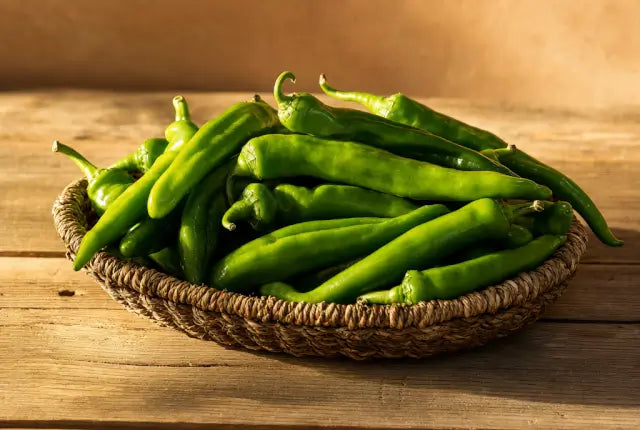
Hatch chile and Thai chile are not interchangeable, and the difference goes far beyond heat. Hatch chiles — grown exclusively in New Mexico's Hatch Valley — deliver a complex, earthy, roasted flavor with heat that ranges from about 900 Scoville Heat Units (SHU) for mild varieties to 12,000+ for X-Hot Lumbre, depending on the variety. Thai chiles, by contrast, are small, thin-walled peppers that punch well above their size, registering between 50,000 and 100,000 SHU on the Hatch chile heat scale and similar ranking systems. Understanding both peppers helps you cook smarter and choose the right heat for the right dish.
Where Each Chile Comes From
The Hatch Valley Terroir
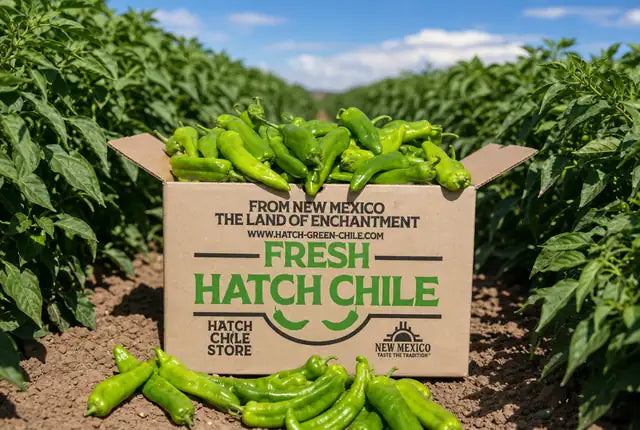
Our family has grown chile in New Mexico's Hatch Valley for five generations, and we'll tell you plainly: the location matters enormously. The Hatch Valley sits along the Rio Grande in Doña Ana County, New Mexico, at roughly 4,000 feet of elevation. The combination of alkaline desert soil, intense summer sun, warm days, and cool nights produces a flavor complexity that simply cannot be replicated elsewhere. This is why New Mexico state law — specifically the New Mexico Chile Advertising Act — restricts the label "Hatch chile" to peppers grown in that defined region.
The New Mexico State University (NMSU) Chile Pepper Institute, the leading research body on Capsicum cultivation in the United States, has spent decades developing and cataloging named Hatch varieties. Varieties like Big Jim, Sandia, and Barker were developed through NMSU's breeding programs specifically to thrive in Hatch Valley conditions.
Thai Chile Origins
Thai chiles — most commonly the variety known as Prik Kee Nu ("mouse-dropping pepper") or the slightly larger Prik Chee Fah — are members of the Capsicum annuum and Capsicum frutescens species, cultivated primarily in Thailand, Vietnam, and across Southeast Asia. They are also widely grown in India, where similar small hot chiles are called "bird's eye chiles." Their growing environment — tropical humidity, consistent heat, and monsoon cycles — shapes their flavor profile just as dramatically as the Hatch Valley shapes ours.
Heat Level Breakdown: Scoville by Variety
Capsaicin content — the compound responsible for heat — is measured in Scoville Heat Units. The NMSU Chile Pepper Institute and USDA FoodData Central both provide reference ranges for common chile varieties. The table below places Hatch varieties alongside Thai chile for direct comparison.
| Chile Variety | Type | Scoville Heat Units (SHU) |
|---|---|---|
| Big Jim | Hatch, New Mexico | About 6,500 |
| Sandia Select | Hatch, New Mexico | About 9,500 |
| Barker | Hatch, New Mexico | 11,000+ |
| Lumbre | Hatch, New Mexico | 12,000+ |
| Thai Bird's Eye (Prik Kee Nu) | Southeast Asia | 50,000 – 100,000 |
| Thai Prik Chee Fah | Southeast Asia | 15,000 – 30,000 |
SHU figures for Hatch varieties come from NMSU (CR706). Barker shows the X-Hot level range. Thai chile ranges are consistent with data published by USDA FoodData Central (FDC ID references for Capsicum annuum raw peppers) and corroborated by the American Spice Trade Association's published capsaicinoid guidelines.
If you want to explore where specific Hatch varieties land relative to one another, our full Hatch chile heat scale breaks down every variety we sell by heat level.
Flavor Profiles: More Than Just Heat
What Hatch Chile Tastes Like
Heat level is only one dimension of flavor. Hatch green chile is celebrated for its layered, savory taste that includes:
- Earthy, mineral notes — a direct expression of the Hatch Valley's alkaline soil
- Smoky sweetness — most pronounced after dry roasting, which caramelizes the natural sugars in the flesh
- Vegetal brightness — a fresh, slightly grassy quality when eaten raw or lightly cooked
- Slow, building heat — the capsaicin in Hatch chiles tends to deliver warmth that spreads gradually rather than hitting sharply on the front of the palate
These qualities are why Hatch green chile is used as a primary flavoring ingredient in New Mexico cuisine — in green chile stew, smothered burritos, and chile con queso — rather than simply as a condiment.
What Thai Chile Tastes Like
Thai chiles are built differently. Their thin flesh means the heat is immediate and intense, with less of the roasted sweetness or minerality you find in Hatch chiles. The flavor characteristics include:
- Sharp, piercing heat — capsaicin hits the tip of the tongue and throat almost instantly
- Fruity, slightly floral notes — especially in fresh bird's eye chiles before cooking
- Grassy, herbal undertones — similar to other Southeast Asian aromatics like lemongrass and kaffir lime leaf
- Lingering burn — the heat of bird's eye chiles tends to persist on the palate longer than Hatch chile heat
Culinary Uses: Where Each Chile Belongs
Cooking With Hatch Chile
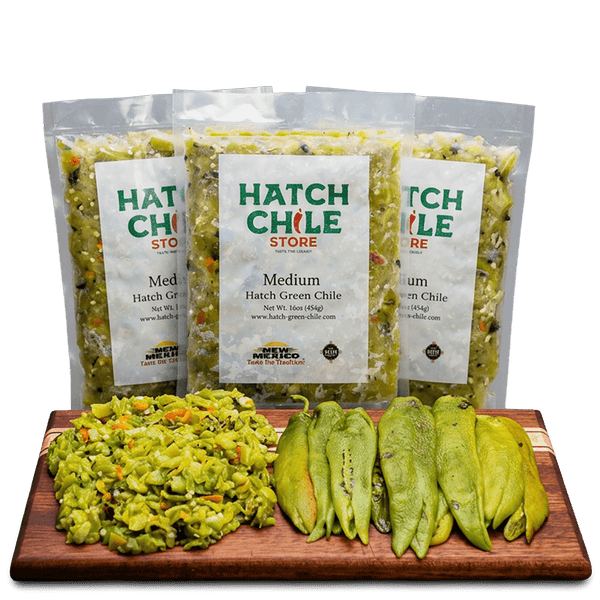
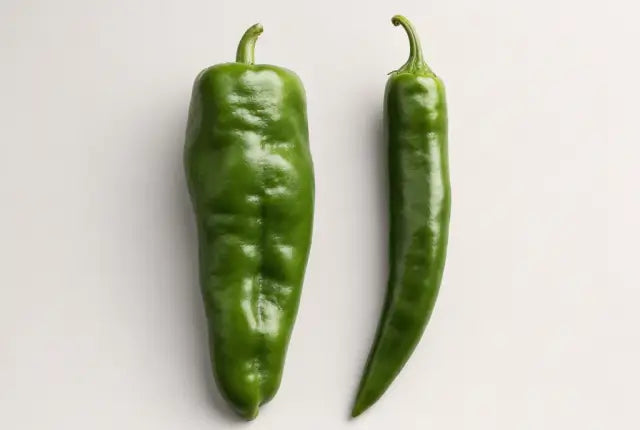
Because Hatch green chile has thick, meaty flesh, it handles high-heat cooking extremely well. Roasting, grilling, and slow-braising all deepen the flavor. Traditional New Mexico applications include:
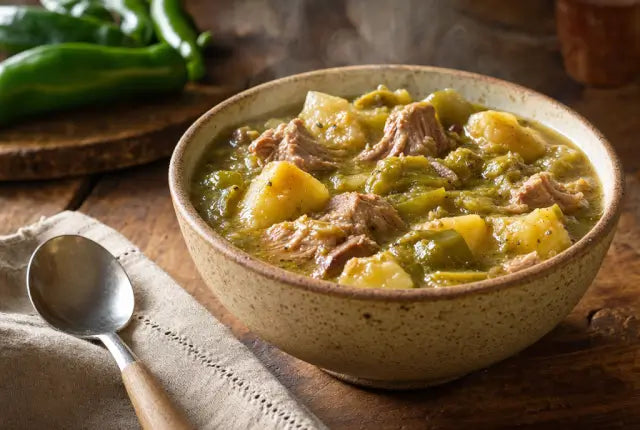
- Green chile stew (posole and pork-based versions)
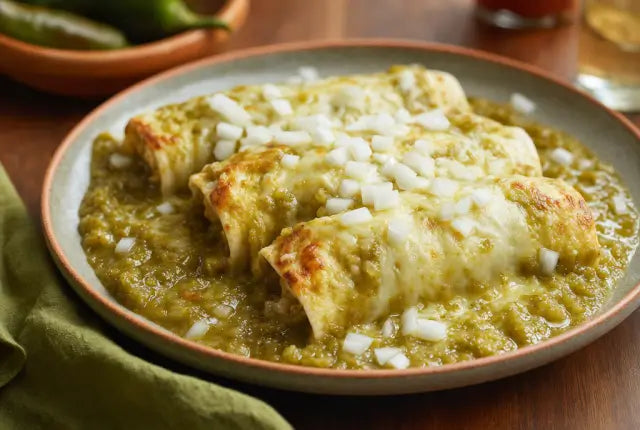
- Smothered enchiladas and burritos
- Green chile cheeseburgers — a New Mexico institution
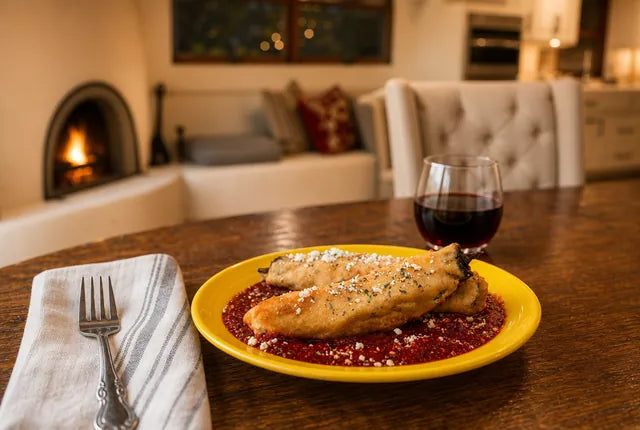
- Chile rellenos (using larger varieties like Big Jim)
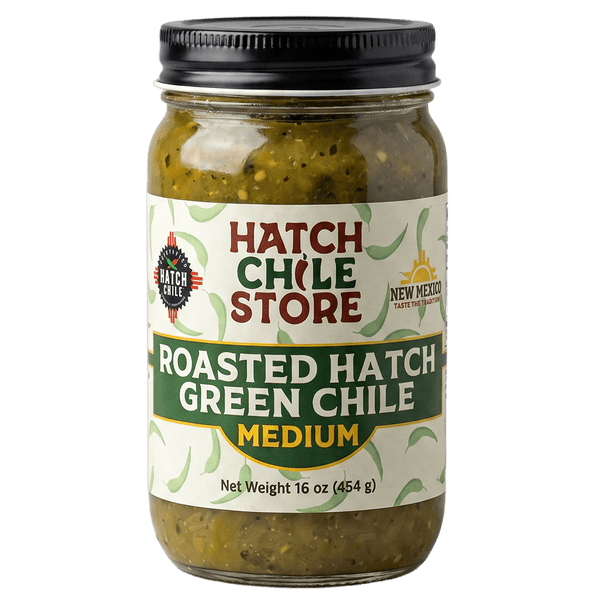
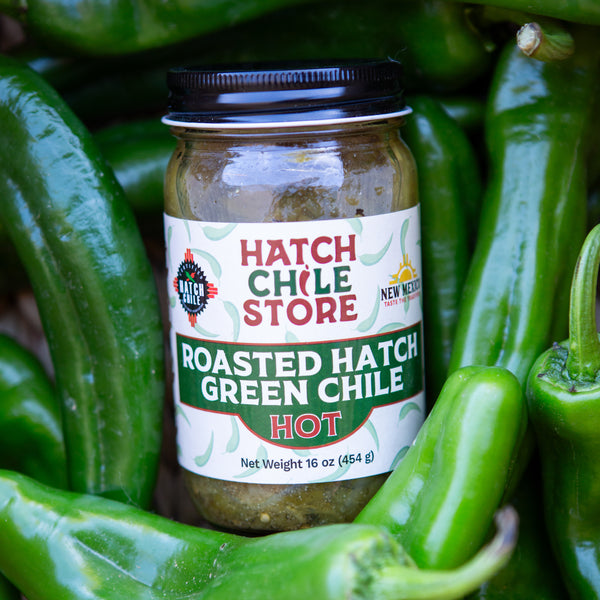
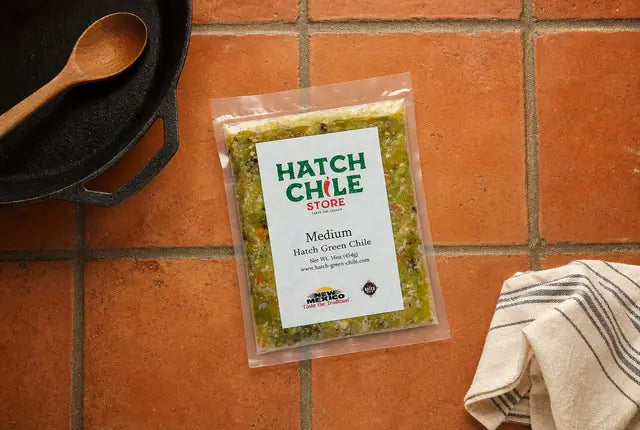
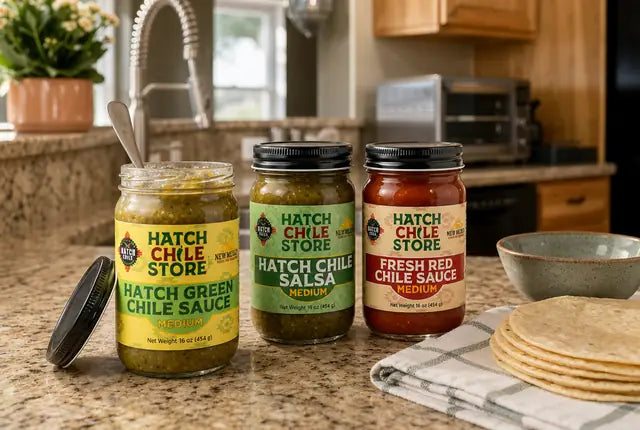
- Frozen and canned preparations that preserve the harvest year-round
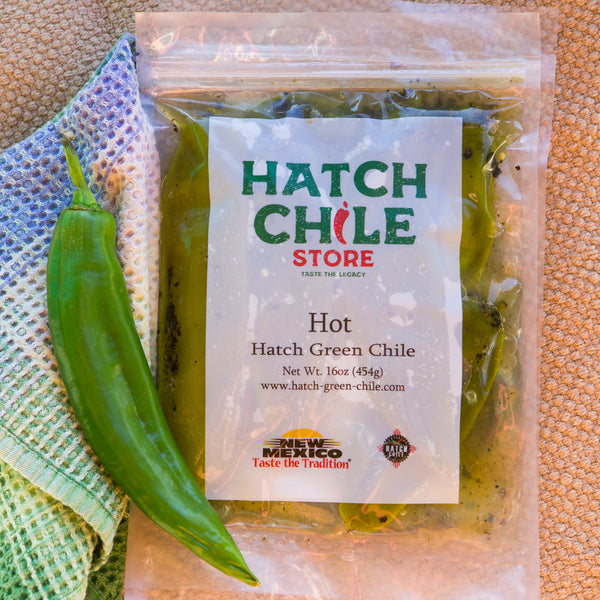
For home cooks who want genuine heat alongside that signature Hatch flavor, our X-Hot green chile is sold fresh in season, so you roast it yourself. And if you want to explore the full range of what we sell, our Hatch green chile collection covers everything from mild to X-Hot.
Cooking With Thai Chile
Thai chiles are most at home in high-acid, high-aromatic cuisines where their sharp heat cuts through rich coconut milk or fish sauce-based sauces. Common uses include:
- Thai green and red curry pastes
- Nam prik dipping sauces
- Stir-fries (pad krapao, pad see ew variations)
- Pickling and fermented chile sauces
- Fresh garnishes sliced thin over noodle soups
Because of their intensity, Thai bird's eye chiles are almost always used in small quantities as a seasoning component rather than a primary ingredient.
Can You Substitute One for the Other?
Technically yes, but the results will be noticeably different. Substituting Thai chile for Hatch chile in a green chile stew will produce a dish that is far hotter, less complex in its roasted flavor, and thinner in texture — because Thai chile flesh does not thicken a sauce the way Hatch chile does. Going the other direction — using Hatch chile in a Thai curry paste — will give you a milder, smokier, meatier result that tastes more Southwestern than Southeast Asian.
If you need a direct heat substitute for Thai chile and want to stay within the Hatch family, the Lumbre chile is one of the hottest Hatch varieties available and can provide meaningful heat in applications where Thai chile would otherwise be used.
Frequently Asked Questions
How many times hotter is Thai chile than Hatch chile?
At the extremes, a Thai bird's eye chile (50,000 to 100,000 SHU) can be roughly 55 to 110 times hotter than a Mild Hatch chile like Joe Parker (about 900 SHU), according to Scoville data from the NMSU Chile Pepper Institute and USDA FoodData Central. When compared to X-Hot Lumbre (12,000+ SHU), the difference narrows to roughly 4 to 8 times hotter.
Are Hatch chiles and Anaheim chiles the same thing?
No. Anaheim chiles are a Capsicum annuum variety originally derived from New Mexico stock and grown primarily in California's Anaheim region. Hatch chiles are grown exclusively in New Mexico's Hatch Valley and include multiple NMSU-developed varieties — Big Jim, Sandia, Barker, and others — bred specifically for that region's soil and climate. The flavor and heat profiles differ meaningfully, and only peppers grown in the Hatch Valley can legally be labeled "Hatch chile" under New Mexico's Chile Advertising Act.
What is the hottest Hatch chile variety available?
Among commercially available Hatch varieties, Lumbre is the hottest option, at 12,000+ SHU, and its heat varies year to year with the weather. Our X-Hot green chile and Lumbre chile are the go-to choices for customers who want maximum heat without leaving the Hatch Valley flavor profile behind.
Can I use Hatch chile in Thai recipes?
You can, but expect a flavor shift. Hatch green chile brings earthy, roasted, smoky qualities that are distinct from the sharp, fruity heat of Thai bird's eye chiles. In a curry paste or nam prik sauce, Hatch chile will produce a mellower, smokier result. If you use a hot Hatch variety like Lumbre, you can get closer to the heat level of some Thai applications, but the overall flavor profile will remain unmistakably New Mexican rather than Southeast Asian.
Where are Hatch chiles grown, and does location really matter?
Hatch chiles are grown exclusively in New Mexico's Hatch Valley, situated along the Rio Grande in Doña Ana County at approximately 4,000 feet of elevation. Location matters significantly: the region's alkaline soil, intense UV exposure, and temperature swings between day and night produce a concentration of sugars, minerals, and capsaicinoids that other growing regions cannot replicate.