








NuMex Heritage: How NMSU Breeds New Chile Varieties
New Mexico State University's Chile Pepper Institute has developed over 50 distinct chile pepper varieties since 1913, including many of the NuMex cultivars that define today's Hatch chile industry. Through careful crossbreeding, field testing, and selection over multiple growing seasons, NMSU researchers create new chile varieties with specific traits like heat levels, disease resistance, and flavor profiles that benefit both commercial growers in the Hatch Valley and home gardeners worldwide.
The development of new chile varieties represents more than a century of agricultural innovation that directly impacts our family's farms and the entire New Mexico chile industry. Each new NuMex release reflects years of scientific research combined with practical growing experience in the unique climate and soil conditions of southern New Mexico.
The Chile Pepper Institute's Mission and History
Established at New Mexico State University in Las Cruces, the Chile Pepper Institute serves as the world's only international, non-profit organization devoted to education and research related to Capsicum, or chile peppers. According to the Institute's official records, their breeding program began in 1913 when Fabián García, a horticulture professor at NMSU, started the first systematic chile pepper improvement program in the United States.
García's initial work focused on selecting and improving native New Mexico chile varieties, establishing the foundation for what would become the renowned NuMex series. His early varieties, including 'New Mexico No. 9' released in 1913, provided the genetic backbone for many modern Hatch chile cultivars grown on our family farm today.
Key Milestones in NMSU Chile Development
- 1913: Fabián García releases first improved New Mexico chile variety
- 1950s: Roy Harper develops disease-resistant varieties
- 1975: 'NuMex Big Jim' released, earning Guinness World Record for largest chile
- 1992: Chile Pepper Institute officially established
- 2002: 'NuMex Twilight' wins All-America Selections award
The Chile Breeding Process
Creating a new chile variety requires patience, scientific precision, and deep understanding of plant genetics. Dr. Paul Bosland, former director of the Chile Pepper Institute, documented the breeding process in multiple research publications, outlining the systematic approach NMSU uses to develop new cultivars.
Selection and Crossbreeding
The breeding process begins with identifying parent plants that possess desired characteristics. NMSU researchers maintain extensive germplasm collections, including over 5,000 chile pepper accessions from around the world, according to Chile Pepper Institute records. Breeders select parent varieties based on specific traits:
- Heat level and capsaicinoid content
- Fruit size, shape, and wall thickness
- Disease and pest resistance
- Yield potential and plant architecture
- Adaptation to New Mexico growing conditions
Cross-pollination occurs through careful hand-pollination, where pollen from one parent plant fertilizes flowers of another. This controlled breeding ensures desired genetic combinations while preventing contamination from unwanted pollen sources.
Multi-Generation Selection
After initial crosses, the breeding process extends across multiple generations, typically requiring 8-12 years before a new variety reaches commercial release. Each generation involves:
| Generation | Process | Timeline |
|---|---|---|
| F1 (First Filial) | Initial cross between parent varieties | Year 1 |
| F2-F4 | Self-pollination and selection for desired traits | Years 2-4 |
| F5-F7 | Stability testing and trait fixation | Years 5-7 |
| F8+ | Field trials and commercial evaluation | Years 8-12 |
Notable NuMex Varieties and Their Development
The NuMex breeding program has produced dozens of varieties that span our chile heat scale from Mild to X-Hot. Each variety represents years of dedicated research and field testing in the Hatch Valley and surrounding New Mexico growing regions.
Mild Varieties
NuMex Joe E. Parker: Released in 1990, this mild variety was developed specifically for green chile production. According to NMSU breeding records, 'NuMex Joe E. Parker' consistently produces large, thick-walled pods, making it ideal for commercial processing and the roasted green chile market.
NuMex Heritage 6-4: One of the newer releases, this mild variety preserves traditional New Mexico chile genetics while providing enhanced disease resistance. Field trials conducted at NMSU's Leyendecker Plant Science Research Center demonstrated superior performance under typical Hatch Valley growing conditions.
Medium Heat Varieties
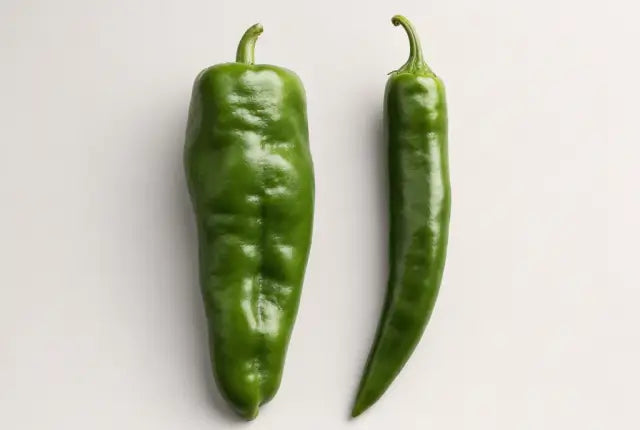
NuMex Big Jim: Perhaps the most famous NMSU variety, 'Big Jim' earned recognition in the Guinness Book of World Records for producing the world's largest chile pepper. Individual pods can reach over 12 inches in length, though typical commercial harvests average 6-8 inches. This medium heat variety has the classic New Mexico chile flavor profile.
Hot Varieties
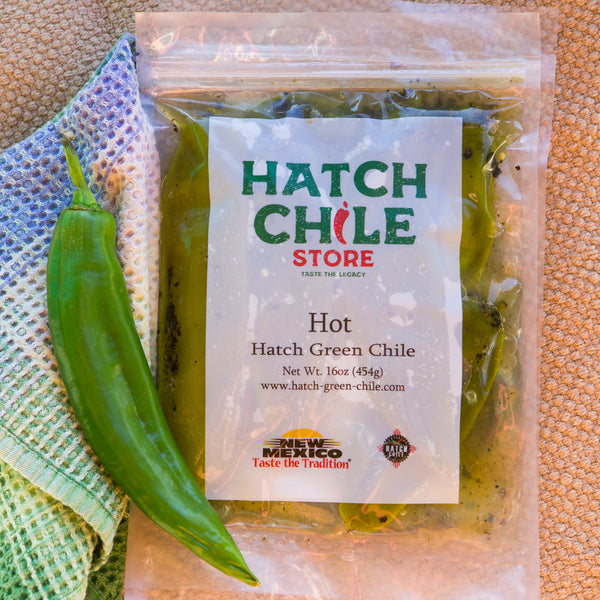
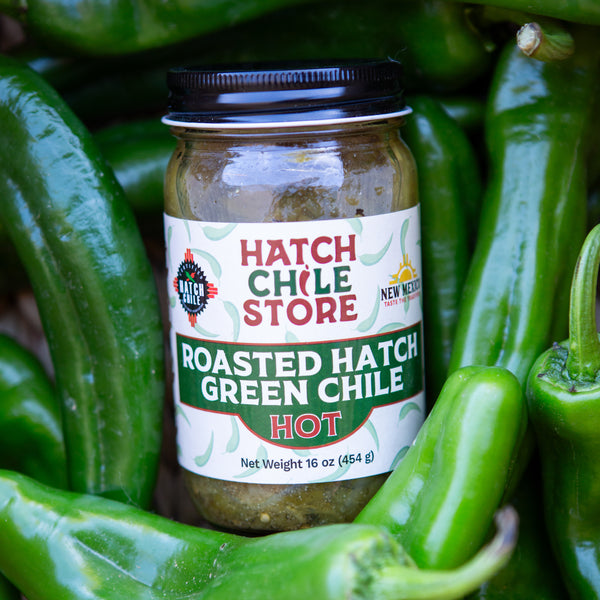
NuMex Sandia Select: This is our Hot variety. NMSU CR706 puts it at about 9,500 Scoville Heat Units, in the Hot range (7,000-11,000 SHU) of our heat classifications.
Scientific Methods and Modern Technology
Contemporary chile breeding at NMSU incorporates advanced scientific techniques alongside traditional plant breeding methods. The Chile Pepper Institute utilizes molecular markers, allowing researchers to identify desired genes more efficiently than visual selection alone.
Capsaicinoid Analysis
Heat level determination relies on High-Performance Liquid Chromatography (HPLC) analysis, which measures specific capsaicinoids responsible for chile pepper pungency. According to data from the USDA FoodData Central database, New Mexico chiles contain primarily capsaicin and dihydrocapsaicin, with trace amounts of other capsaicinoids contributing to overall heat perception.
Disease Resistance Testing
NMSU researchers conduct systematic disease resistance screening, particularly for Phytophthora capsici (chile wilt) and Verticillium wilt, two major diseases affecting New Mexico chile production. Controlled inoculation studies identify resistant plant lines that can withstand these soil-borne pathogens.
Field Testing and Regional Adaptation
All potential new varieties undergo extensive field testing across multiple New Mexico locations, including the Hatch Valley, Las Cruces, and Alcalde research stations. This multi-location testing ensures new varieties perform consistently across the state's diverse microclimates and soil types.
The Leyendecker Plant Science Research Center, located near Las Cruces, serves as the primary breeding facility where new lines receive initial evaluation. Subsequently, promising varieties move to commercial-scale trials in cooperation with local growers, including farming operations throughout the Hatch Valley.
Impact on Commercial Chile Production
The NuMex breeding program directly impacts commercial chile production throughout New Mexico. According to the New Mexico Chile Association, over 90% of the state's chile acreage utilizes varieties developed through NMSU's breeding program, highlighting the program's commercial significance.
Economic Benefits
NMSU's economic impact studies document significant returns on chile breeding investments. Improved varieties increase per-acre yields while reducing production costs through enhanced disease resistance and improved mechanical harvest characteristics.
For farming families like ours, access to improved varieties means better yields, more consistent quality, and enhanced disease resistance. These factors translate to economic sustainability and the ability to continue our family's five-generation farming tradition in the Hatch Valley.
Future Directions in Chile Breeding
Current NMSU research focuses on developing varieties adapted to changing climate conditions and evolving market demands. Priority areas include:
- Heat tolerance for warmer growing seasons
- Water-use efficiency in drought conditions
- Enhanced nutritional content, particularly antioxidants
- Improved processing characteristics for value-added products
- Organic production compatibility
These research directions align with challenges facing chile growers throughout New Mexico, ensuring the breeding program remains relevant to commercial agriculture needs.
Preserving Genetic Diversity
The Chile Pepper Institute maintains extensive germplasm collections that preserve genetic diversity essential for future breeding work. This conservation effort protects traditional New Mexico chile genetics while providing raw material for developing new varieties.
Seed preservation involves careful storage protocols, including freezer storage and regular viability testing. According to Institute records, properly stored chile seeds maintain viability for decades, ensuring genetic resources remain available for future generations of plant breeders.
This genetic conservation work connects directly to our family's farming story, as our family continues growing chile in the Hatch Valley, adopting newer varieties that offer improved performance characteristics.
Frequently Asked Questions
How long does it take NMSU to develop a new chile variety?
Developing a new chile variety typically requires 8-12 years from initial cross-pollination to commercial release. This timeline includes multiple generations of breeding, selection, and field testing to ensure the variety performs consistently and meets commercial standards for yield, quality, and disease resistance.
What makes NuMex varieties different from other chile peppers?
NuMex varieties are specifically bred for New Mexico growing conditions, including the state's high altitude, intense sunlight, and variable moisture conditions. They maintain the distinctive New Mexico chile flavor profile while offering improvements in yield, disease resistance, and processing characteristics that benefit commercial growers in the Hatch Valley and throughout the state.
Can home gardeners grow NuMex varieties outside New Mexico?
Yes, many NuMex varieties adapt well to growing conditions outside New Mexico, though flavor and heat levels may vary depending on climate, soil, and growing practices. The Chile Pepper Institute provides growing guidelines for home gardeners, and several NuMex varieties have performed successfully in diverse geographic regions across the United States.
How does NMSU determine the heat level of new chile varieties?
NMSU uses High-Performance Liquid Chromatography (HPLC) analysis to measure capsaicinoids, the compounds responsible for chile pepper heat. This scientific method provides precise Scoville Heat Unit measurements. Heat still varies from year to year with the weather, so a variety's number is an average.
Are NuMex chile varieties genetically modified?
No, NuMex varieties are developed through traditional plant breeding methods involving cross-pollination between different chile pepper varieties followed by selection over multiple generations. NMSU's Chile Pepper Institute does not use genetic engineering techniques, instead relying on conventional breeding practices that have been used for over a century to improve chile pepper varieties.