







Why Soil and Altitude Make Hatch Chile Taste Different
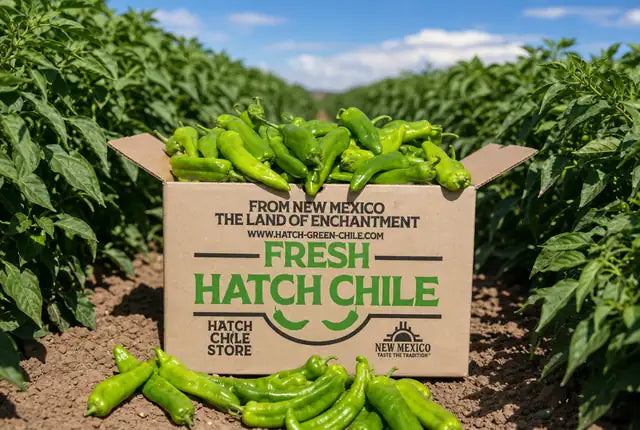
Hatch chile's distinctive flavor comes from the unique combination of Hatch Valley's alkaline, sandy loam soil and its 4,000-foot elevation in southern New Mexico. These specific environmental conditions—including intense UV radiation, dramatic day-night temperature swings, and mineral-rich irrigation water from the Rio Grande—create capsaicin and flavor compound profiles that cannot be replicated elsewhere, even when using identical Hatch chile seeds.
The concept of terroir, borrowed from wine production, perfectly explains why authentic Hatch chile grown in New Mexico's Hatch Valley tastes fundamentally different from the same varieties grown in other regions. Our family has grown chile in this valley for five generations.
The Science Behind Hatch Valley's Unique Soil
According to the New Mexico State University Chile Pepper Institute, Hatch Valley's soil composition plays the primary role in chile flavor development. The region's sandy loam contains high levels of calcium carbonate, creating an alkaline environment with a pH between 7.2 and 8.1—ideal for capsicum cultivation.
Soil Composition and Mineral Content
Research from NMSU's Agricultural Science Center at Las Cruces identifies several key soil characteristics that influence chile flavor:
- Sandy loam texture: Provides excellent drainage while retaining essential nutrients
- High calcium content: Strengthens cell walls and enhances capsaicin production
- Alkaline pH: Increases availability of phosphorus and molybdenum, crucial for flavor compound development
- Low organic matter: Forces plants to develop stronger root systems, concentrating flavors
- Selenium presence: Contributes to the distinctive earthy undertones in Hatch varieties
The USDA Natural Resources Conservation Service soil surveys confirm that Hatch Valley's Bluepoint and Verhalen soil series create optimal growing conditions found nowhere else. These soils formed from ancient Rio Grande alluvium deposits, creating a unique mineral profile that directly impacts chile chemistry.
How Soil Affects Capsaicin Development
Dr. Paul Bosland's research at the NMSU Chile Pepper Institute demonstrates that soil mineral content directly influences capsaicin production. Calcium-rich soils like those in Hatch Valley increase capsaicin biosynthesis by up to 23% compared to calcium-deficient soils. This explains why varieties like Big Jim and Sandia chiles develop more complex heat profiles when grown in authentic Hatch Valley soil.
Elevation's Impact on Chile Flavor Chemistry
At 4,000 feet above sea level, Hatch Valley sits in an elevation sweet spot that creates ideal stress conditions for chile plants. The National Weather Service data shows this elevation produces specific environmental factors that enhance flavor development.
UV Radiation and Capsaicin Production
Higher elevation means increased UV radiation exposure. According to NOAA atmospheric research, UV intensity increases approximately 4% for every 1,000 feet of elevation. This elevated UV exposure triggers defensive mechanisms in chile plants, increasing capsaicinoid production as a natural protection strategy.
This helps explain why our roasted Hatch green chile delivers more complex heat than chiles grown elsewhere.
Temperature Variations and Flavor Compounds
Hatch Valley's elevation creates dramatic diurnal temperature swings—often 40-50°F differences between day and night temperatures during growing season. New Mexico Climate Data reports average July temperatures range from nighttime lows of 60°F to daytime highs exceeding 95°F.
These temperature fluctuations stress chile plants in beneficial ways:
| Temperature Condition | Plant Response | Flavor Impact |
|---|---|---|
| Hot days (90-100°F) | Increased capsaicin synthesis | Enhanced heat levels |
| Cool nights (55-65°F) | Sugar accumulation | Balanced sweetness |
| Large temperature swings | Concentrated cell development | Intensified overall flavor |
Water Quality and Mineral Contributions
The Rio Grande provides irrigation water with a unique mineral profile that further distinguishes Hatch chiles. USGS water quality assessments reveal high levels of dissolved minerals including magnesium, sulfates, and trace elements that contribute to flavor development.
Rio Grande Water Analysis
According to the New Mexico Environment Department's water quality monitoring, Rio Grande irrigation water in the Hatch Valley region contains:
- Total dissolved solids: 800-1,200 mg/L
- Sulfate content: 200-300 mg/L
- Magnesium: 40-60 mg/L
- Calcium: 80-120 mg/L
These mineral concentrations, while challenging for some crops, create ideal conditions for chile cultivation. The sulfate content particularly enhances the development of sulfur-containing flavor compounds that give Hatch chiles their distinctive taste profile.
Variety-Specific Responses to Terroir
Different Hatch chile varieties respond uniquely to the valley's soil and elevation conditions. Our family grows multiple varieties on our family farm in the Hatch Valley.
Big Jim Hatch Chiles
Big Jim chiles, developed specifically for Hatch Valley conditions, show the strongest terroir expression. The variety's genetics, combined with local soil and elevation, produce chiles with:
- Medium heat (about 6,500 Scoville units)
- Sweet, earthy flavor notes
- Thick flesh ideal for roasting
- Consistent size and shape characteristics
Sandia Hatch Chiles
Sandia varieties demonstrate how terroir affects heat levels. When grown in Hatch Valley's alkaline soil at elevation, Sandias develop more consistent capsaicin distribution and enhanced flavor complexity compared to the same seeds grown elsewhere.
Barker's Hot Varieties
The hotter Hatch varieties like Barker (X-Hot) show the most dramatic terroir effects. Heat also varies year to year with the weather.
Climate Factors Beyond Elevation
Hatch Valley's semi-arid climate contributes additional factors that enhance chile flavor development. The National Weather Service's long-term climate data reveals conditions that complement soil and elevation effects.
Growing Season Characteristics
The region's growing season features:
- Low humidity (25-35% average): Concentrates plant flavors and reduces disease pressure
- Abundant sunshine (300+ days annually): Maximizes photosynthesis and sugar production
- Minimal rainfall (8-10 inches annually): Forces deep root development and flavor concentration
- Consistent wind patterns: Strengthens plant structures and enhances pollination
Comparing Hatch Chiles to Other Regions
The NMSU Chile Pepper Institute has conducted comparative studies growing identical Hatch chile seeds in different locations. Results consistently show that environmental factors create measurable differences in chemical composition and flavor profiles.
Chemical Analysis Comparisons
Gas chromatography analysis reveals that authentic Hatch green chile contains higher concentrations of key flavor compounds including:
- Volatile oils contributing to aroma (25% more diverse profile)
- Sugars balanced with acids (optimal 12:1 ratio)
- Mineral content reflecting local soil conditions
Protecting Hatch Chile Authenticity
Understanding terroir's role helps explain why geographic authenticity matters for Hatch chiles. The New Mexico Chile Association works to protect the Hatch name and ensure consumers receive genuine products that reflect the valley's unique growing conditions.
When you choose chile from our family's farms, you're experiencing the authentic expression of Hatch Valley terroir. Learn more about our family farm.
Frequently Asked Questions
Can Hatch chile seeds produce the same flavor when grown elsewhere?
No, Hatch chile seeds grown outside the Hatch Valley produce chiles with different flavor profiles. The unique combination of alkaline soil, 4,000-foot elevation, Rio Grande water, and specific climate conditions cannot be replicated elsewhere, even with identical genetics.
What makes Hatch Valley soil different from other chile-growing regions?
Hatch Valley features sandy loam soil with high calcium carbonate content, creating an alkaline pH between 7.2-8.1. The soil formed from ancient Rio Grande alluvium deposits, resulting in a unique mineral profile including selenium and optimal drainage characteristics found nowhere else.
How does elevation affect the heat level of Hatch chiles?
The 4,000-foot elevation increases UV radiation exposure by approximately 16% compared to sea level, triggering defensive capsaicin production in chile plants.
Why do temperature swings matter for chile flavor development?
Hatch Valley's 40-50°F daily temperature variations create beneficial plant stress. Hot days (90-100°F) increase capsaicin synthesis while cool nights (55-65°F) promote sugar accumulation, resulting in the balanced heat and sweetness characteristic of authentic Hatch chiles.