

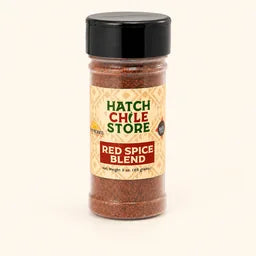

Love this spice blend!! It’s fabulous sprinkled on anything from scrambled eggs to nachos!Margo W · Verified
🌶️ Sun-dried Sandia from our family farm✓ 100% Certified Hatch chile📦 Ships shelf-stable from NM📦 Buy more, save up to 30%★ 4.7 · 31,800+ verified reviews
What Is Hatch Red Chile?
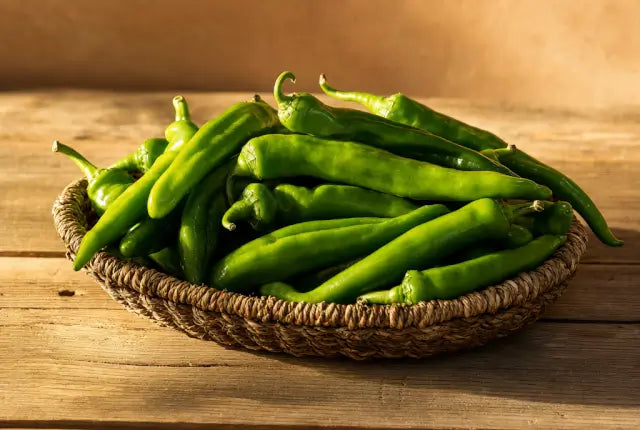
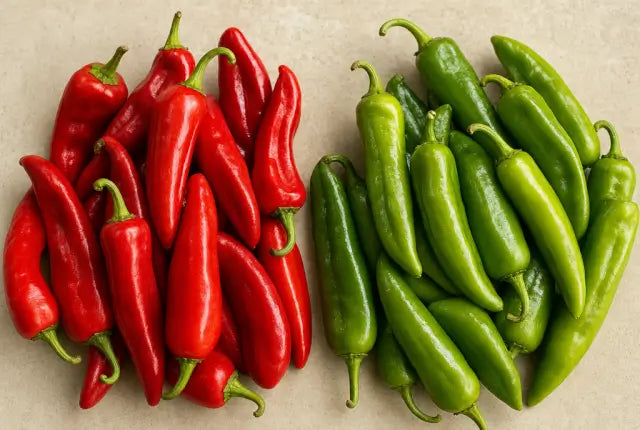
Every red chile we sell started as a green one. Leave a Hatch green chile on the plant another three to four weeks and it ripens to a deep crimson, trading the bright, vegetal bite of green for something earthier — sweeter, smokier, with more depth and a slower burn. Same pepper, same field, completely different ingredient. In New Mexico the two aren’t rivals so much as seasons of the same crop, and most families cook with both.
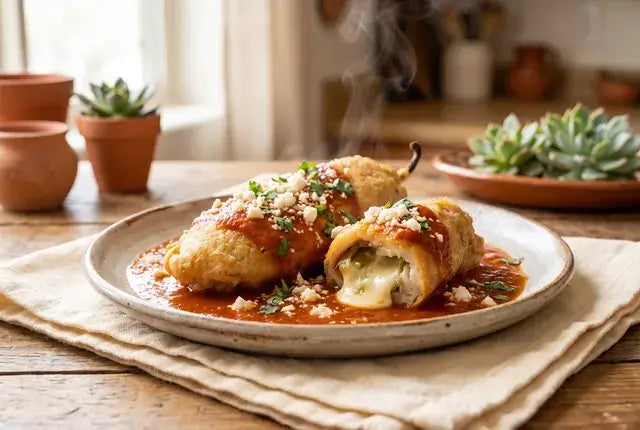
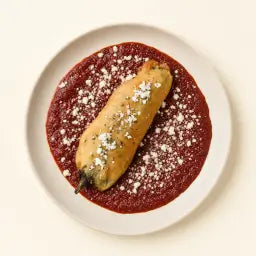
Red chile is the backbone of the state’s oldest dishes: carne adovada braised until the pork falls apart, red enchilada sauce blended from whole pods, posole simmered on feast days. If green chile is New Mexico’s summer, red is its winter — the string of ristras drying on the porch was the original pantry. Curious about the tradition itself? Read our page on the New Mexico red chile tradition, then come back and pick your format.
Every Form of Hatch Red Chile We Sell
Fresh Red (a short window in fall)
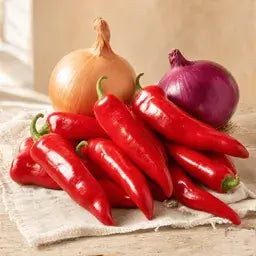
Fresh Hatch red chile — “wet red” in valley shorthand — is the ripe pod picked before drying, available for a few weeks at the end of harvest. It roasts like green but eats richer. Blink and it’s gone until next year.
Dried Pods (the traditional way)
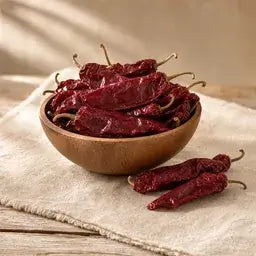
Whole dried Hatch red chile pods are how New Mexico has stored red chile for generations. Toast, soak, and blend them into a sauce that makes canned “enchilada sauce” taste like a rumor. One bag of pods makes several batches, and they keep in the pantry for a year or more.
Powder, Blends & Ready-Made
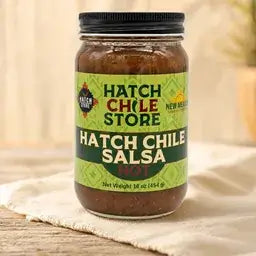
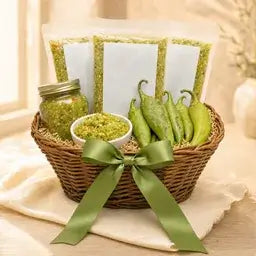
Hatch red chile powder is pure ground pods — no salt, no filler — for rubs, stews, and weeknight red sauce. The red chile spice blend and red & green blend cover seasoning duty, and sun-dried red chile sauce is the shortcut: pod-true flavor from a jar. There’s also roasted Hatch red chile, flame-roasted and frozen like our green best seller.
Ristras & Wreaths
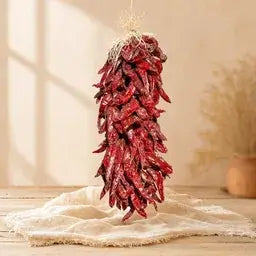
The drying string itself. Hatch chile ristras and wreaths are hand-tied in the valley from real red pods — décor first, but a working pantry in the old tradition.
“Red or Green?” — The Official State Question
New Mexico is the only state with an official state question, adopted in 1996, and this is it. Order enchiladas anywhere in the state and you’ll be asked. Answer “red” and you get the deep, earthy sauce made from ripened pods; “green” gets you the brighter roasted chile; “Christmas” gets you both, and nobody will judge you for it. We wrote up the whole debate — history, flavor science, and which dishes want which color — in Red or Green?
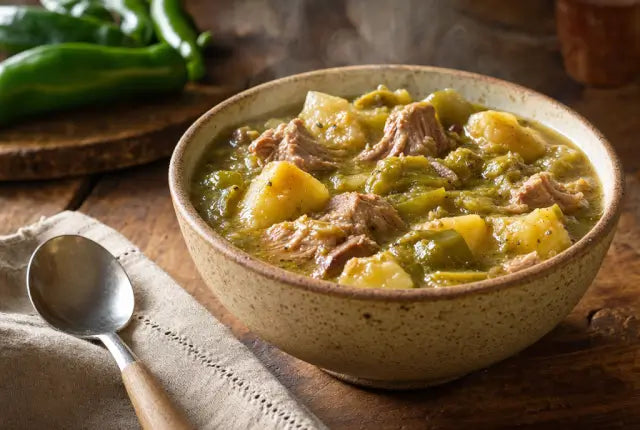
The practical version: red carries slow-cooked meats, enchilada stacks, and posole; green wins on burgers, stews, eggs, and anything cheesy. Most serious kitchens keep both — if yours is missing the green half, shop Hatch green chile too.
Red Chile, Chile Colorado, Red Chili Sauce — What’s the Difference?
The words get tangled, so here’s the map. New Mexico red chile (what you’re looking at) is sauce or seasoning made from ripened, dried New Mexican pods — in our case, grown in the Hatch Valley. Chile colorado is the northern-Mexican cousin: beef braised in a red sauce that’s often built on guajillo and ancho. Same idea, different pods, different accent. Our pods make an outstanding colorado if that’s the dish you’re after.
“Red chili sauce” with an “i” usually means the Tex-Mex or canned version — tomato-thickened, cumin-forward, mild. Traditional New Mexico red contains no tomato at all: pods, garlic, oregano, salt, water. That purity is why the pod quality is the whole game, and why cooks who switch to real Hatch pods don’t switch back. (We have opinions about the spelling too — see chile vs. chili, settled.)
One more: paprika and “chili powder” blends are seasoned mixes — salt, cumin, sometimes flour. Our red chile powder is 100% ground Hatch pods, nothing else, which is why a tablespoon of it does what a whole packet of chili seasoning can’t.
Cooking with Hatch Red Chile
Red Chile Sauce from Pods
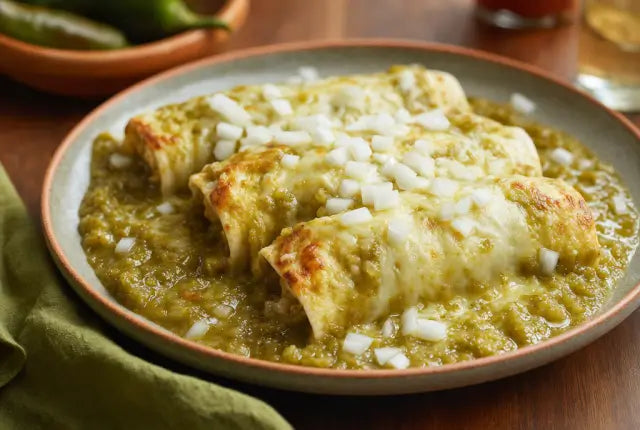
The foundational recipe: toast a dozen pods in a dry skillet until fragrant, soak in hot water twenty minutes, then blend with garlic, oregano, a little of the soaking liquid, and salt. Simmer fifteen minutes and you have the sauce behind every great plate of red chile enchiladas. Powder gets you 90% of the way in a quarter of the time.
Carne Adovada
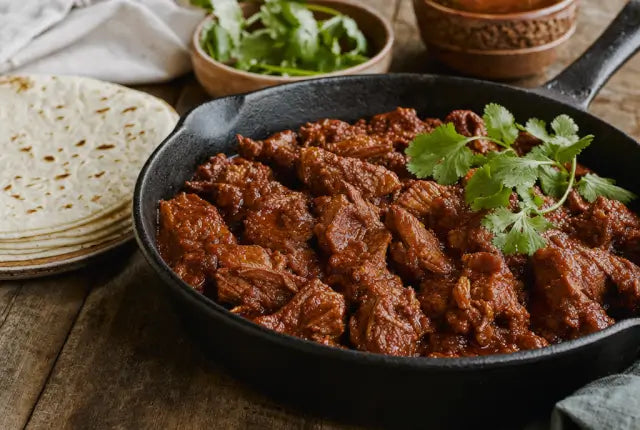
New Mexico’s answer to barbecue: pork shoulder marinated and braised in red chile until it shreds. Our carne adovada recipe is the one we make at home — pods or powder both work.
Posole, Stews & Beyond
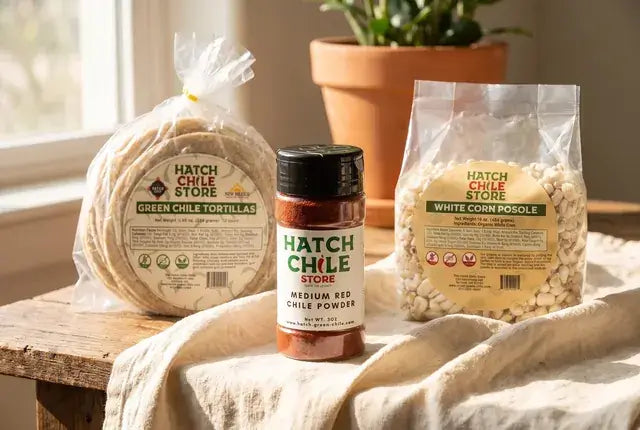
Red chile is the traditional heat in posole, the feast-day hominy stew — we sell the posole corn and seasoning too. Past the classics, red powder earns its shelf space in chili, barbecue rubs, chocolate desserts, and anywhere smoked paprika is trying too hard. Hundreds more ideas live in our recipe collection.
From Harvest to Ristra: How Red Chile Is Made
Red chile is patience. The pods that become our reds stay on the plant weeks past the green harvest, ripening through September and October while the valley’s hot days and cool nights concentrate their sugars. Some are picked fresh and sold as wet red; most are dried — strung into ristras or laid out in the desert air — then cleaned, sorted, and either bagged whole or stone-ground into powder. Nothing added at any step.
Our family — the Franzoys — has farmed this valley since 1917, five generations of red Octobers. When you buy red chile here you’re buying from the people who grew it, in the only valley that can rightfully call it Hatch. That’s the difference between our pods and the anonymous “New Mexico chile” bins at the import market: provenance you can trace to a field.
How to Buy and Store Red Chile
How Much to Order
A pound of dried pods blends into roughly 8–10 cups of finished sauce — enough for several trays of enchiladas and a pot of adovada. Regular red-chile cooks go through two to three pounds of pods or a large jar of powder per season. If you’re new, start with one bag of pods and one powder: pods for weekends, powder for weeknights.
Keeping It Fresh
Whole pods keep 12+ months in an airtight container away from light — the freezer stretches that further and locks in color. Powder holds peak flavor for about a year; you’ll smell the difference when it fades. Finished red sauce freezes beautifully in flat bags or ice-cube trays, so make a double batch and bank the rest. Full storage notes for every format live in our prep instructions.
If It Isn’t Right
Every order ships with the same guarantee as our green: if something arrives damaged or below our standard, tell us within 4 hours of delivery for fresh or frozen, 24 hours for dried and shelf-stable, and we’ll make it right. Farm-direct means the buck stops with the family that grew it.
Why buy from us:
- Direct from our family farm. Preston, our family, and our crew grow, roast, and pack everything you order, from a working chile farm in Hatch, New Mexico, not a re-seller's warehouse.
- 5+ generations in the Hatch Valley. Founded by Preston Mitchell, a direct descendant of Joseph Franzoy, the first commercial chile farmer in Hatch.
- Certified Hatch Valley grown. Member of the Hatch Chile Association, which administers the certification mark that defends "Hatch chile" against generic poblano substitution.
- 30,000+ verified-buyer reviews, averaging 4.7/5 stars across our catalog.
- Frozen ships on dry ice. Nationwide. We ship Monday through Wednesday only so nothing sits in a weekend warehouse.
- 30-day satisfaction guarantee.
Frequently Asked Questions
What is Hatch red chile?
Hatch red chile is Hatch green chile that has been left to ripen fully on the plant. As it ripens from green to red, the flavor deepens — earthier, richer, and a little sweet — while the fresh, vegetal notes of green chile mellow. It's the backbone of New Mexican red chile sauce, carne adovada, and enchiladas.
What is the difference between Hatch red and green chile?
They are the same chile at different stages of ripeness. Green chile is picked young, with a bright, roasted, vegetable-forward flavor. Red chile is the mature, vine-ripened version — deeper, earthier, and slightly sweet. New Mexicans use green for stews and smothering, red for sauces, carne adovada, and ristras.
Why 500,000+ Customers Keep Coming Back
Great seasoning for ANYTHING. I put it on my Baked Salmon every time.Linda B · Verified
Seriously can't live without it!Ruth H · Verified
This is very good!! Adds lots of flavor to all kinds of recipes, not just Mexican dishes. It's great on steaks, burgers, brisket, beans, stews, soups, and just everything!!jan w · Verified
So many great uses. Great blend...Cathy S · Verified
I love this chili blend! I use it on almost everything. Great flavor and just the right amount of heat. Delivery was timely and the packaging was perfect. Thank you!!ANDREA E · Verified
Hatch Red Chile Quick Reference
| Question | Answer |
|---|---|
| What it is | Hatch green chile, vine-ripened red and (usually) dried |
| Flavor vs. green | Earthier, sweeter, smokier; slower, rounder heat |
| Fresh season | A few weeks, late September–October |
| Year-round forms | Dried pods, powder, blends, jarred sauce, roasted frozen |
| Signature dishes | Carne adovada, red enchiladas, posole |
| Shipping | All 50 states, direct from the valley |
Keep Exploring
The New Mexico red chile tradition · Red or green? · Hatch chile recipes · Ristras & wreaths · Shop Hatch green chile
Hatch Red Chile — Frequently Asked
Yes — red chile is Hatch green chile left on the plant another three to four weeks until it ripens. The color change transforms the flavor: red is earthier, sweeter, and smokier where green is bright and vegetal. Same field, same variety, different season.
Roughly the same Scoville range as the green variety it came from — ripening changes flavor more than heat. Dried pods and powder can taste slightly hotter because drying concentrates the pod. Ours run medium: present, but built for flavor first.
Toast 10–12 pods in a dry skillet until fragrant (30–60 seconds a side), stem and seed them, soak in hot water for 20 minutes, then blend with garlic, a pinch of oregano, salt, and enough soaking liquid to make a smooth sauce. Simmer 15 minutes. That’s the base for enchiladas, carne adovada, and huevos rancheros.
Ancho (dried poblano) is raisiny and mild; guajillo is tangy and thin-fleshed. Hatch red pods are brighter and earthier with a cleaner burn, and they make a smoother sauce — New Mexico red chile is its own tradition, not a substitute for Mexican dried chiles (or vice versa).
No — fresh (“wet”) red is only available for a few weeks at the tail of harvest, usually late September into October. The rest of the year, dried pods, powder, jarred sauce, and roasted frozen red chile carry the flavor.
Traditionally yes — a ristra was the family’s dried-chile supply. Ours are hand-tied from real Hatch red pods and sold for décor; they aren’t handled as food-grade after tying. If you want pods for cooking, buy the bagged dried pods; if you want the porch to smell like New Mexico, buy the ristra.